

Taking Taking photos in nature to a professional level requires more than just a camera and a spontaneous moment outdoors.
Whether you are capturing forests, wildlife, mountains, rivers, or intricate macro details, being prepared makes all the difference.
Many photographers assume natural environments will provide perfect lighting and endless subjects, but in reality, shooting outdoors requires proper planning, environmental awareness, and a strong understanding of visual storytelling.
When you approach Taking photos in nature with the right mindset, the process becomes not only more enjoyable but also more creatively satisfying.
A successful outdoor photo session starts with knowing the environment you plan to photograph. Weather, terrain, light direction, and safety concerns play a major role in shaping both your process and your results.
If you want your work to stand out, you must think beyond simply pointing the camera at a beautiful scene. Mastering Taking photos in nature means understanding how to adapt to changing conditions and turning challenges into opportunities.
Nature photography also requires emotional presence and patience. Unlike studio photography, you cannot control the sun, wind, or the behavior of wildlife.
Instead, you learn to read the environment, anticipate special moments, and choose the best timing for each shot. With consistent practice, Taking photos in nature becomes a skill that blends creativity with technical discipline.
As you explore different landscapes, you begin to develop your own style and preferences. Some photographers are drawn to wide-angle landscapes, while others focus on wildlife or small details such as leaves, rocks, and textures.
Regardless of your chosen approach, Taking photos in nature will always reward those who prepare properly, observe carefully, and stay open to discovering unexpected scenes.
Taking Photos In Nature: Essential Gear And Preparation Tips
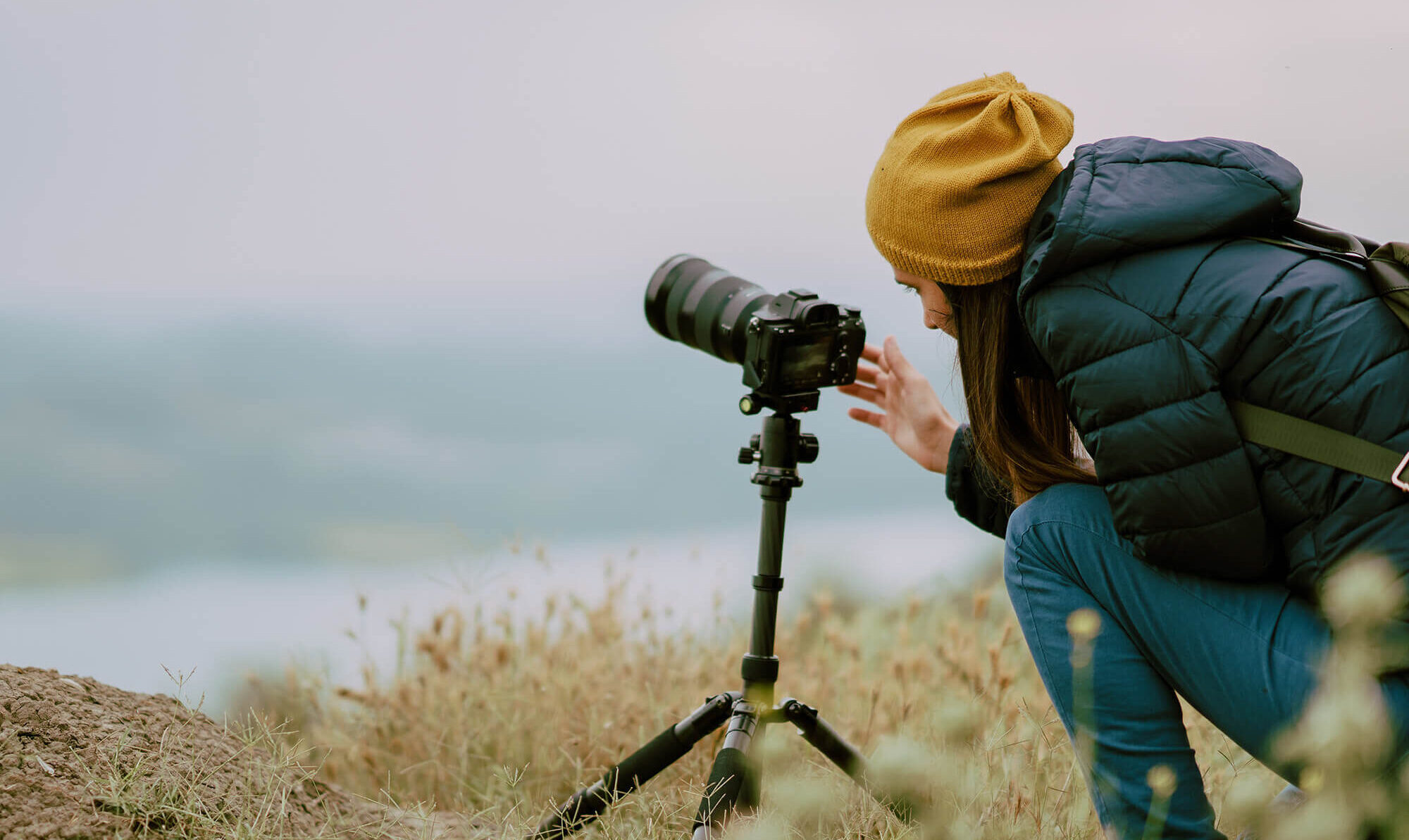
Before you begin Taking photos in nature, choosing the right equipment is one of the most important steps.
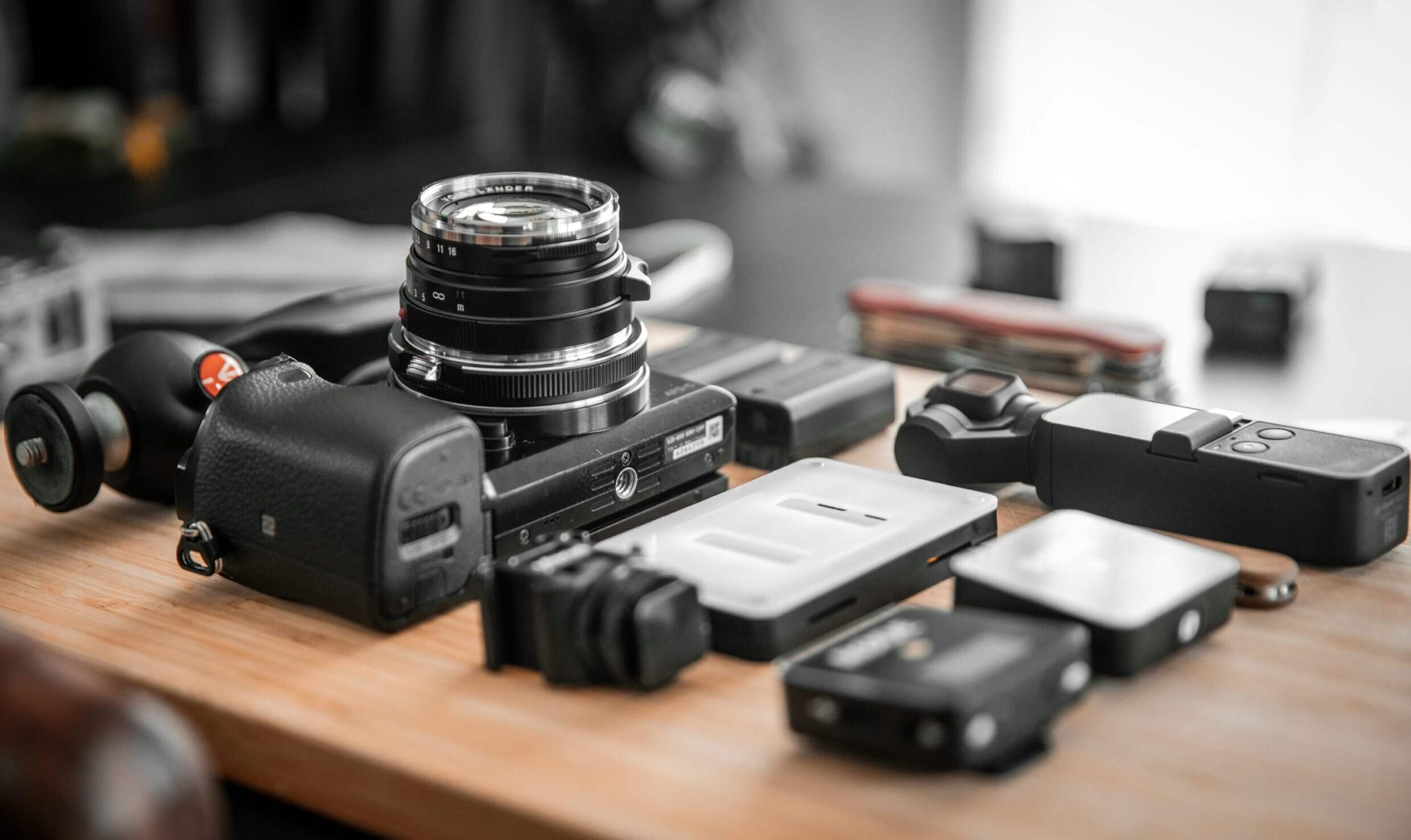
You don’t necessarily need the most expensive camera, but you do need tools that match your environment and shooting goals. A sturdy backpack is essential for carrying your gear safely, especially if you will be walking long distances.
A lightweight camera with interchangeable lenses also offers flexibility when switching between wide landscapes and detailed close-ups.
Tripods play a crucial role when shooting natural scenery, as they help you stabilize long-exposure shots, especially during sunrise or sunset.
Additionally, extra batteries and memory cards are non-negotiable, because nature sessions take time and you may not have access to charging stations.
For many photographers, preparing well is what separates an average outdoor session from an exceptional one.
Clothing also matters. Layered outfits, waterproof jackets, hiking shoes, and gloves help you stay comfortable so you can focus on your creative process.
When you prepare properly, Taking photos in nature becomes more enjoyable because you are free from distractions like cold temperatures or uncomfortable gear. Finally, planning your route in advance will help you stay efficient and safe.
Researching trails, weather forecasts, and sunrise times ensures you arrive at the right location when the light is at its best. Good preparation also protects you from unexpected challenges, allowing you to concentrate fully on the art of Taking photos in nature.
Understanding Lighting And Weather Conditions For Outdoor Photography
Lighting is the foundation of all photography, and it becomes even more important when Taking photos in nature. Unlike indoor environments, you cannot adjust the sun or clouds, so you must develop the ability to read natural light.
Early mornings and late afternoons offer soft “golden hour” lighting, which is ideal for landscapes and nature portraits. These warm tones create depth, highlight textures, and add emotion to the scene.
Harsh midday sunlight can create strong shadows and washed-out colors. However, this lighting can still be useful when photographing high-contrast subjects such as mountains or reflective surfaces.
Learning to adapt your technique to different lighting scenarios is a key part of improving your outdoor photography results. Weather also affects your images significantly.
Fog creates mysterious atmospheres, while rainy conditions enhance textures and color saturation. Even stormy skies can produce powerful dramatic compositions.
Understanding how weather influences your shots helps you make smarter decisions, especially when Taking photos in nature during unpredictable seasons.
Ultimately, mastering natural light is a long-term process that develops through consistent observation and experience. The more time you spend outdoors, the easier it becomes to predict how lighting will shift and what mood it will create.
This understanding improves your confidence when Taking photos in nature, enabling you to produce more expressive visuals.
Taking Photos In Nature: Mastering Composition And Angles
Strong composition is essential when Taking photos in nature, because natural environments are often busy with details. One of the first techniques to master is the rule of thirds, which helps you position your subject in a visually balanced way.
Leading lines, such as paths, rivers, or tree branches, guide the viewer’s eye through the frame and give depth to your images. Experimenting with angles is equally important.
Instead of always shooting at eye level, try crouching, climbing, or changing your viewpoint. Low angles make subjects appear more dramatic, while high angles reveal patterns and shapes that are invisible from the ground.
Creative angles often result in more dynamic photographs. Foreground elements also add depth and context. Rocks, plants, or branches can frame your main subject and help build a stronger visual story.
This technique is especially effective when Taking photos in nature, as it adds dimension and enhances the feeling of being immersed in the environment.
When you combine thoughtful composition with careful angle selection, your nature photography evolves from simple snapshots to meaningful visual narratives.
These techniques allow you to express emotion, highlight beauty, and create memorable scenes through the art of Taking photos in nature.
Patience And Observation Skills For Wildlife And Landscape Shots
Patience is one of the most important qualities a photographer can develop when Taking photos in nature. Wildlife subjects, such as birds or deer, require slow movements, quiet observation, and waiting for the perfect moment.
Rushing usually leads to missed opportunities or blurry images. The best shots come from photographers who observe carefully and let the environment unfold naturally. Observation also plays a key role in landscape photography.
Watching how clouds move, how light shifts across a valley, or how wind affects trees helps you anticipate the perfect timing for your shot. This awareness gives you more control over the final image, even when nature is unpredictable.
Sometimes, waiting allows magical moments to appear. A sudden burst of sunlight, a passing animal, or a dramatic change in the sky can transform an ordinary scene into a breathtaking photograph.
These moments often happen unexpectedly, and the photographers who succeed are those who remain patient, focused, and fully present while Taking photos in nature. With enough practice, patience becomes a natural part of your creative process.
You learn to appreciate silence, observe details, and enjoy the slow rhythm of outdoor photography. This mindset leads not only to better images but also to a deeper connection with nature itself.
Taking Photos In Nature: Safety Measures And Ethical Guidelines
Safety should always come first when Taking photos in nature. Natural environments can be unpredictable, so carrying a map, water, snacks, and a first aid kit is essential.
Staying aware of your surroundings prevents accidents, especially when walking near cliffs, rivers, or rocky landscapes. Being prepared ensures your photography session remains enjoyable and free of unnecessary risks.
Ethical behavior is equally important. Respecting wildlife, preserving natural habitats, and avoiding damage to plants or ecosystems should be part of every photographer’s responsibility.
When Taking photos in nature, keep a safe distance from animals, avoid making loud noises, and never disturb nests or feeding areas. Additionally, leave no trace behind.
Pack out all trash, stay on marked paths, and avoid stepping on delicate plant life. Nature photography should be a practice that celebrates the beauty of the environment while protecting it for future generations.
By following safety and ethical guidelines, you not only protect yourself but also contribute to preserving the natural world you are capturing.
Responsible behavior enhances your overall experience when Taking photos in nature, making each session meaningful and respectful.
See you in the next post,
Anil UZUN