

Mirrorless camera techniques have transformed how photographers and filmmakers approach modern image making.
With real time electronic viewfinders, fast sensor readout, intelligent autofocus systems, and powerful video features, mirrorless systems offer tools that were once reserved for high end cinema and studio equipment.
However, unlocking the full potential of these cameras requires more than simply shooting in auto mode.
Understanding how autofocus tracking works, how exposure tools function in real time, and how to configure your camera for speed and consistency makes a dramatic difference in results.
One of the biggest advantages of mirrorless camera techniques is the ability to see exposure, white balance, and color changes before pressing the shutter. This live feedback shortens the learning curve and allows more precise adjustments in challenging environments.
Whether you shoot portraits, wildlife, sports, travel, or cinematic video, advanced control over autofocus, exposure, and customization ensures professional level consistency.
This guide explores practical ways to refine your technique and improve efficiency in both photography and video workflows.
Mirrorless Camera Techniques For Faster Autofocus: AF Modes, Tracking, And Custom Settings
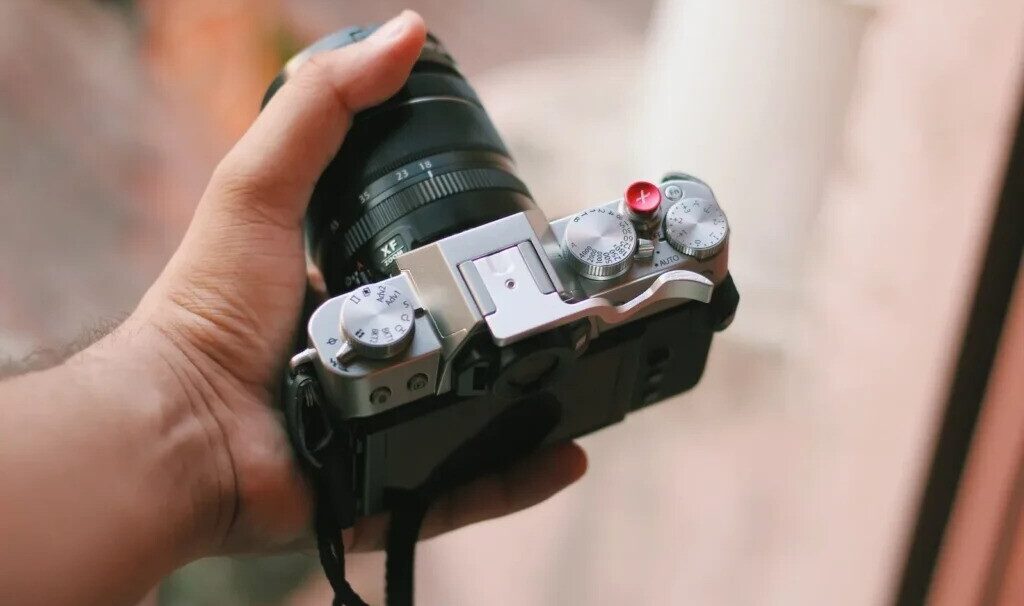
Modern mirrorless systems are known for their highly advanced autofocus capabilities.
Using mirrorless camera techniques effectively means understanding how different autofocus modes behave and when to use them. Single AF mode is ideal for static subjects such as landscapes or posed portraits.
Continuous AF, on the other hand, is essential for sports, wildlife, and street photography where subjects move unpredictably. Tracking performance depends heavily on configuration.
Many cameras allow you to adjust subject tracking sensitivity and acceleration response. If tracking sensitivity is set too high, the camera may jump to background objects when something briefly crosses the frame.
If it is too low, the system may struggle to lock onto fast subjects. Finding a balanced setting improves consistency. Eye detection and face recognition have become industry standards.
These features are extremely powerful for portrait and event photography. However, in crowded scenes, it is often better to restrict autofocus to a flexible zone or smaller area to prevent incorrect subject selection.
Advanced mirrorless camera techniques include assigning focus area selection to a joystick or custom button for faster manual override. Lens choice also influences autofocus performance.
Native lenses with linear motors or stepping motors typically provide faster and quieter focusing, especially in video recording. Keeping firmware updated can also improve autofocus accuracy and tracking algorithms over time.
Mirrorless Camera Techniques For Better Exposure: Histogram, Zebras, And Exposure Compensation
Exposure control is one of the strongest advantages of mirrorless systems. Because you see exposure changes in real time through the electronic viewfinder, mirrorless camera techniques for exposure are more intuitive than with optical viewfinders.
The histogram is a primary tool for evaluating tonal distribution. If highlights are pushed too far to the right, clipping may occur. If shadows are compressed on the left, detail may be lost.
Zebra patterns are particularly useful for video and high contrast photography. By setting zebra warnings to a specific brightness threshold, you can quickly identify overexposed areas such as skin tones or bright skies.
This tool is essential when shooting in strong sunlight or backlit conditions. Exposure compensation allows fast correction in aperture priority or shutter priority modes.
In snowy or bright environments, cameras often underexpose the scene because they interpret the brightness as excessive. Applying positive exposure compensation corrects this automatically.
Conversely, darker scenes may require negative compensation to prevent overexposure. Advanced mirrorless camera techniques also include shooting in RAW format for greater dynamic range flexibility.
Combined with careful histogram monitoring, RAW capture provides more room for highlight recovery and shadow adjustments during editing.
Advanced Video Options: Frame Rate Choices, Shutter Angle Logic, And Log Profiles
Mirrorless cameras have become powerful hybrid tools. Understanding advanced video features is essential for maximizing quality. Frame rate selection determines the motion feel of your footage.
Twenty four frames per second creates a cinematic appearance, while thirty or sixty frames per second provide smoother playback. Shutter angle logic follows the traditional 180 degree rule.
This means shutter speed should be approximately double the frame rate. For example, when shooting at 24 frames per second, a shutter speed near 1 over 50 seconds creates natural motion blur.
Using faster shutter speeds produces sharper but sometimes unnatural movement. Log profiles are another advanced option within mirrorless camera techniques. Log recording preserves more dynamic range by flattening contrast and saturation.
Although footage appears dull at first, it provides greater flexibility during color grading. When using log, it is important to expose carefully and avoid underexposure, as shadows can become noisy during post processing.
Bit rate and codec selection also affect editing flexibility. Higher bit rates retain more detail and color information. For professional workflows, choosing the highest internal quality available ensures better results during color correction.
Mirrorless Camera Techniques In Low Light: ISO Strategy, Noise Control, And Stabilization
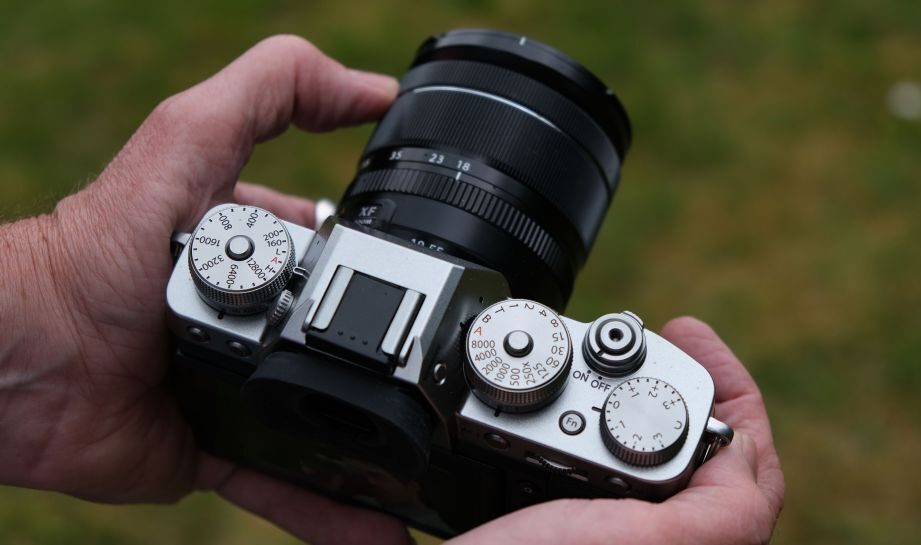
Low light shooting highlights the strengths of modern sensors. Effective mirrorless camera techniques involve balancing ISO, aperture, and shutter speed carefully. Raising ISO increases brightness but also introduces noise.
Instead of immediately increasing ISO, consider widening the aperture or slowing shutter speed when appropriate. Image stabilization plays a major role in low light performance.
In body stabilization systems allow slower handheld shutter speeds without introducing blur from camera shake. However, stabilization does not freeze subject motion. For moving subjects, maintaining a safe shutter speed is still necessary.
Noise control also begins with proper exposure. Slightly brighter exposures reduce shadow noise compared to heavily underexposed images that are later brightened in editing. When possible, use fast lenses with wide apertures for cleaner results.
Professional mirrorless camera techniques include using external light sources when necessary. Even subtle fill light can dramatically reduce noise and improve image clarity.
Speed And Workflow: Custom Buttons, Menu Shortcuts, And Field Ready Setup
Efficiency separates casual users from advanced photographers. Customization is a key part of mirrorless camera techniques. Most mirrorless cameras allow assignment of frequently used functions to custom buttons.
ISO, white balance, autofocus mode, and focus area selection are common assignments. Creating a personalized quick menu reduces time spent navigating complex settings. Many cameras also allow saving complete custom shooting modes.
For example, one preset can be optimized for fast action with continuous autofocus and high shutter speed, while another can be configured for video with specific frame rate and picture profile settings.
Field readiness includes organizing memory cards, monitoring battery levels, and testing exposure tools before shooting. Developing a consistent setup routine ensures fewer missed moments.
Mastering mirrorless camera techniques ultimately means combining technical understanding with practical workflow efficiency.
By refining autofocus behavior, exposure tools, video settings, low light strategies, and customization features, you can fully utilize the power of modern mirrorless systems and produce consistently professional results.
See you in the next post,
Anil UZUN