

High contrast exposure settings are essential when photographing scenes that include both very bright highlights and deep shadows in the same frame.
These situations often exceed the natural dynamic range of a camera sensor, making it difficult to preserve detail across the entire image. Without deliberate exposure decisions, highlights may clip or shadows may lose texture entirely.
High-contrast scenes are common in everyday photography. Midday sunlight, window-lit interiors, snowy landscapes, sunsets, and night city scenes all present extreme differences between light and dark areas.
While the human eye adapts easily to these conditions, cameras require intentional setup to capture them accurately.
Mastering high contrast exposure settings allows photographers to maintain tonal balance, preserve important details, and create images that feel natural rather than harsh or artificial.
This guide focuses on understanding light behavior, using camera tools effectively, and making smart decisions both in-camera and during post-processing.
High Contrast Exposure Settings In Practice: Histogram, Highlight Warnings, And Exposure Compensation
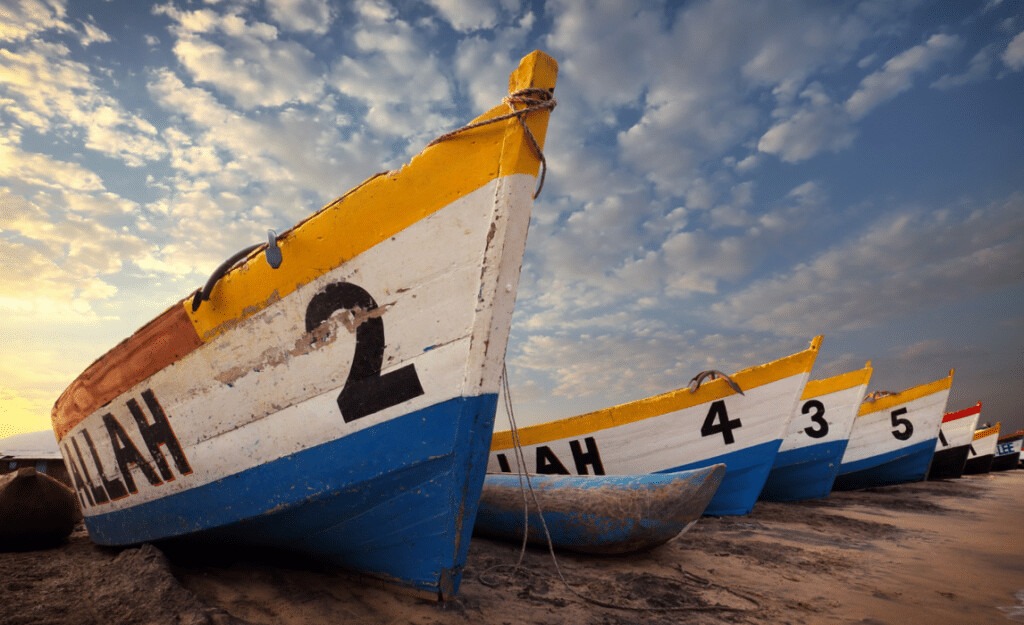
The histogram is one of the most reliable tools for evaluating exposure in high-contrast situations. It provides a visual representation of tonal distribution, revealing whether highlights or shadows are being clipped.
In scenes with strong contrast, a histogram pushed too far to the right indicates lost highlight detail, while heavy clustering on the left suggests crushed shadows.
The goal is not to center the histogram, but to ensure that essential details remain within recoverable range. Highlight warnings are especially valuable when working with high contrast exposure settings.
These alerts reveal areas where highlights are clipped beyond recovery. In most cases, it is safer to slightly underexpose to preserve highlight detail, since shadow information can often be recovered later.
Exposure compensation allows fine-tuning when shooting in semi-automatic modes. Reducing exposure by a fraction of a stop can make a significant difference in protecting bright areas, particularly in scenes with reflective surfaces or strong backlighting.
Understanding High Contrast Exposure Settings Scenes: Reading Light, Metering, And Dynamic Range
A high-contrast scene is defined by a large brightness gap between the brightest and darkest parts of a composition. This contrast becomes problematic when the scene’s tonal range exceeds what the camera sensor can record in a single exposure.
Before adjusting any settings, it is important to visually analyze the light. Identify where the brightest highlights are and determine whether they contain critical detail. The same applies to shadow areas.
Once you know which parts of the image matter most, you can decide how to meter and expose accordingly. Metering plays a major role in high contrast exposure settings.
Evaluative or matrix metering often averages the scene and can lead to clipped highlights. Spot or center-weighted metering gives more control by prioritizing a specific area, such as a subject’s face or a key detail in the frame.
Dynamic range refers to how much tonal information the sensor can capture. Shooting in environments with extreme contrast requires understanding the limits of your camera and making choices that protect the most important tones.
Camera Choices That Help: RAW, ISO Strategy, And White Balance For Cleaner Tones
File format is critical when dealing with contrast-heavy scenes. RAW files retain significantly more tonal information than JPEGs, making them far more flexible during editing. For high contrast exposure settings, RAW capture is strongly recommended.
ISO selection directly affects dynamic range. Lower ISO values preserve more highlight and shadow detail, while higher ISO reduces tonal flexibility. Whenever possible, use the lowest practical ISO and compensate with shutter speed or aperture.
White balance also influences perceived contrast. An incorrect white balance can exaggerate color shifts in highlights or shadows, making the image appear harsher than intended.
Setting white balance manually or adjusting it carefully in post helps maintain natural tones. Together, these camera choices create a stronger foundation for managing high contrast exposure settings effectively.
Real World Shooting Scenarios: Backlit Portraits, Sunsets, Snow, And Night City Lights
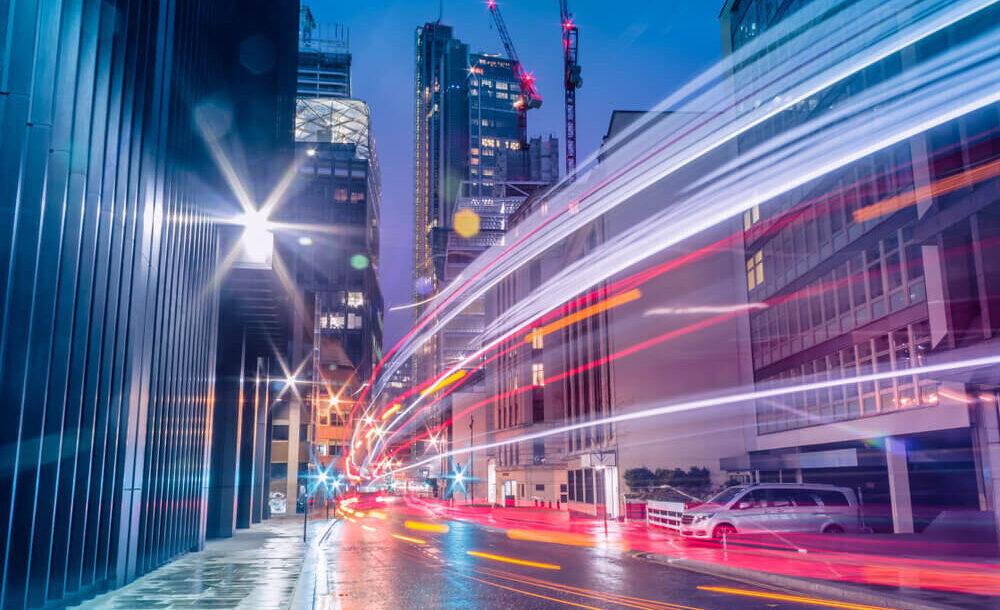
Backlit portraits often place the subject against a much brighter background. In these situations, metering for the subject and allowing the background to remain bright can create pleasing separation, while preserving skin tones.
Sunsets combine intense highlights near the sun with dark foreground elements. Exposing for the sky usually produces silhouettes, which can be an intentional creative choice.
Attempting to brighten the foreground often results in blown highlights. Snow scenes introduce a different challenge. Cameras tend to underexpose snow, rendering it gray.
Applying positive exposure compensation while monitoring highlights helps maintain clean whites without losing texture. Night city scenes combine artificial lights with deep shadows.
Using a tripod, low ISO, and controlled exposure prevents blown streetlights while maintaining shadow detail. These scenarios highlight the importance of adapting high contrast exposure settings to the environment.
Editing After The Shot: Recovering Highlights, Lifting Shadows, And Keeping Contrast Natural
Post-processing is where careful exposure decisions truly pay off. If highlights were protected during capture, highlight recovery tools can restore texture without introducing artifacts.
Shadow lifting should be applied cautiously. Excessive shadow recovery can introduce noise and flatten contrast. Local adjustments are often more effective than global changes.
Maintaining natural contrast is the final goal. Overusing clarity, contrast, or tone curve adjustments can make images appear artificial. Balanced edits preserve depth while keeping the image visually realistic.
When capture and editing work together, high contrast exposure settings enable photographers to create images that feel controlled, detailed, and visually engaging even in the most challenging lighting conditions.
See you in the next post,
Anil UZUN