

Focus settings in photography play a decisive role in determining whether an image feels professional, engaging, and visually strong.
Even with perfect lighting and composition, an image that lacks proper focus immediately loses impact. Sharpness directs the viewer’s attention, defines subject clarity, and enhances the overall storytelling power of a photograph.
Modern cameras offer advanced focusing systems, but understanding how to control them manually is just as important as relying on automation.
Focus settings in photography are not only about selecting a focus point but also about adapting to subject movement, shooting conditions, lens behavior, and camera modes. Mastering these settings allows photographers to achieve consistent results across different scenarios.
This guide explores how focus settings influence image quality, how to avoid common mistakes, and how to apply practical techniques to produce sharper, cleaner, and more impressive photographs in everyday shooting situations.
Focus Settings In Photography: Understanding Autofocus And Manual Focus
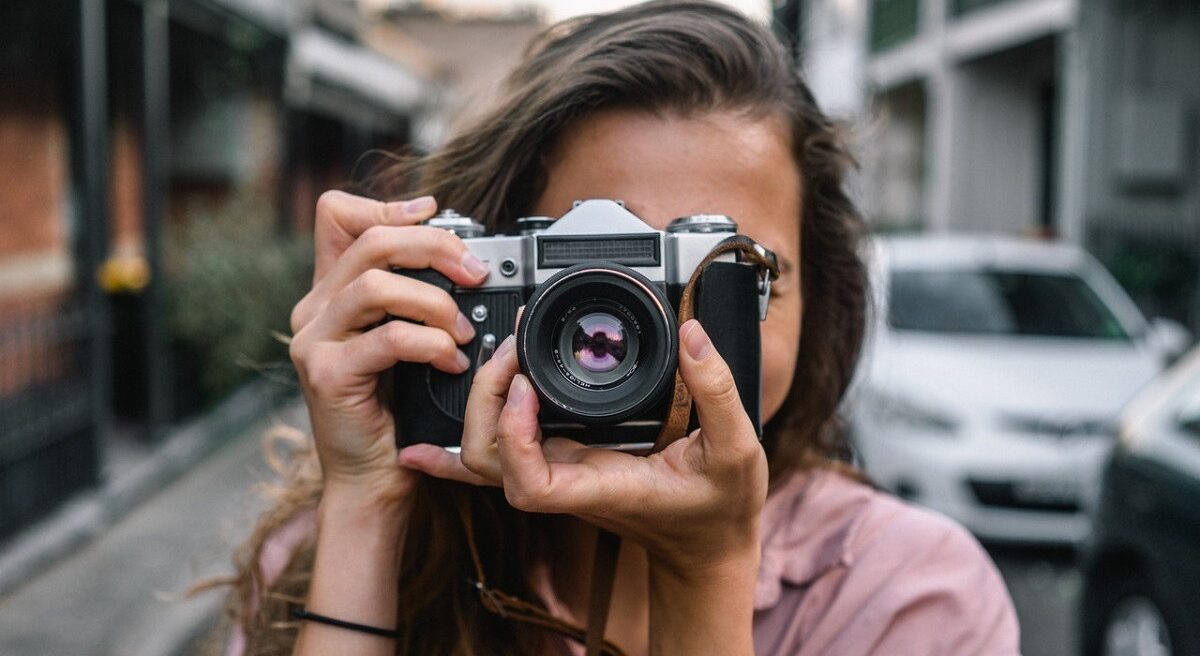
Autofocus and manual focus are the foundation of focus settings in photography, each serving different creative and technical needs.
Autofocus systems analyze contrast or phase differences to lock onto a subject quickly, making them ideal for fast-paced environments such as street, sports, or event photography.
Single autofocus modes work well for static subjects, while continuous autofocus tracks moving objects across the frame. However, autofocus can struggle in low light, low-contrast scenes, or when multiple subjects overlap.
In these cases, the camera may lock onto the wrong area, resulting in soft or misfocused images. Manual focus provides full control and precision, especially in macro, landscape, and studio photography.
By manually adjusting focus, photographers can fine-tune sharpness exactly where it is needed. Understanding when to switch between autofocus and manual focus is a key part of mastering focus settings in photography.
How Different Camera Modes Affect Sharpness
Camera shooting modes significantly influence sharpness, even when focus is set correctly. Aperture priority mode affects depth of field, which determines how much of the image appears sharp.
Wide apertures create shallow focus zones, while smaller apertures increase overall sharpness across the frame. Shutter priority mode impacts motion blur, which can reduce perceived sharpness even if focus is accurate.
Slow shutter speeds introduce motion blur from subject movement or camera shake, while faster speeds freeze action and preserve clarity. Manual mode offers the most control by allowing photographers to balance aperture, shutter speed, and ISO precisely.
Focus settings in photography work best when combined with the right exposure mode, ensuring that sharp focus is supported by stable camera settings.
Focus Settings In Photography: Adjusting For Moving And Static Subjects
Different subjects require different focus strategies. Static subjects such as architecture, landscapes, and product photography benefit from precise single-point focus and stable camera support like tripods.
This approach ensures maximum detail and consistency. Moving subjects demand faster response and predictive focus modes.
Continuous autofocus combined with burst shooting increases the chances of capturing sharp images in dynamic scenes. Selecting the correct focus area helps the camera track movement more effectively.
Understanding subject behavior is essential when adjusting focus settings in photography. Anticipating movement, choosing appropriate focus modes, and maintaining proper framing all contribute to achieving sharp results in both still and active scenes.
Common Focusing Mistakes And How To Avoid Them

One of the most common mistakes in focus settings in photography is relying entirely on automatic selection without reviewing focus points. This often leads to sharp backgrounds and soft subjects, especially in portraits.
Another frequent issue is shooting with excessively wide apertures, which reduces the margin for error. Slight movements by the photographer or subject can shift focus unintentionally.
Poor lighting conditions also confuse autofocus systems, resulting in inconsistent sharpness. Avoiding these mistakes requires slowing down, checking focus confirmation, using appropriate focus modes, and reviewing images during shooting.
Developing awareness of these pitfalls improves accuracy and overall image quality.
Focus Settings In Photography: Techniques For Maximum Image Clarity
Achieving maximum clarity involves combining technical knowledge with disciplined shooting habits. Using single focus points instead of automatic area selection gives greater control over subject sharpness.
Focus-and-recompose techniques help maintain precision in complex compositions. Stabilization tools such as tripods, monopods, or in-camera stabilization systems reduce motion blur and enhance clarity.
Proper lens calibration and regular sensor cleaning also contribute to sharper results. Focus settings in photography reach their full potential when paired with intentional composition and controlled shooting conditions.
By mastering these techniques, photographers can consistently produce images that feel crisp, professional, and visually compelling.
See you in the next post,
Anil UZUN