

Color saturation in photography is one of the most powerful visual tools a photographer can use to influence how an image is perceived.
Saturation controls how intense or muted colors appear, directly shaping the mood, realism, and emotional strength of a photograph. When applied correctly, saturation can bring life to an image, draw attention to key subjects, and strengthen visual storytelling.
When overused, however, it can quickly make photos look artificial and distracting. In modern digital photography, photographers have more control over color saturation than ever before.
Camera profiles, lighting choices, and post-processing software all allow precise adjustments. Understanding how color saturation in photography works is essential for creating images that feel balanced, natural, and visually compelling rather than exaggerated or flat.
This guide explores how saturation affects visual impact, how light and environment shape color intensity, and how to use saturation creatively while maintaining realism and emotional depth.
Color Saturation In Photography And How It Affects Visual Impact
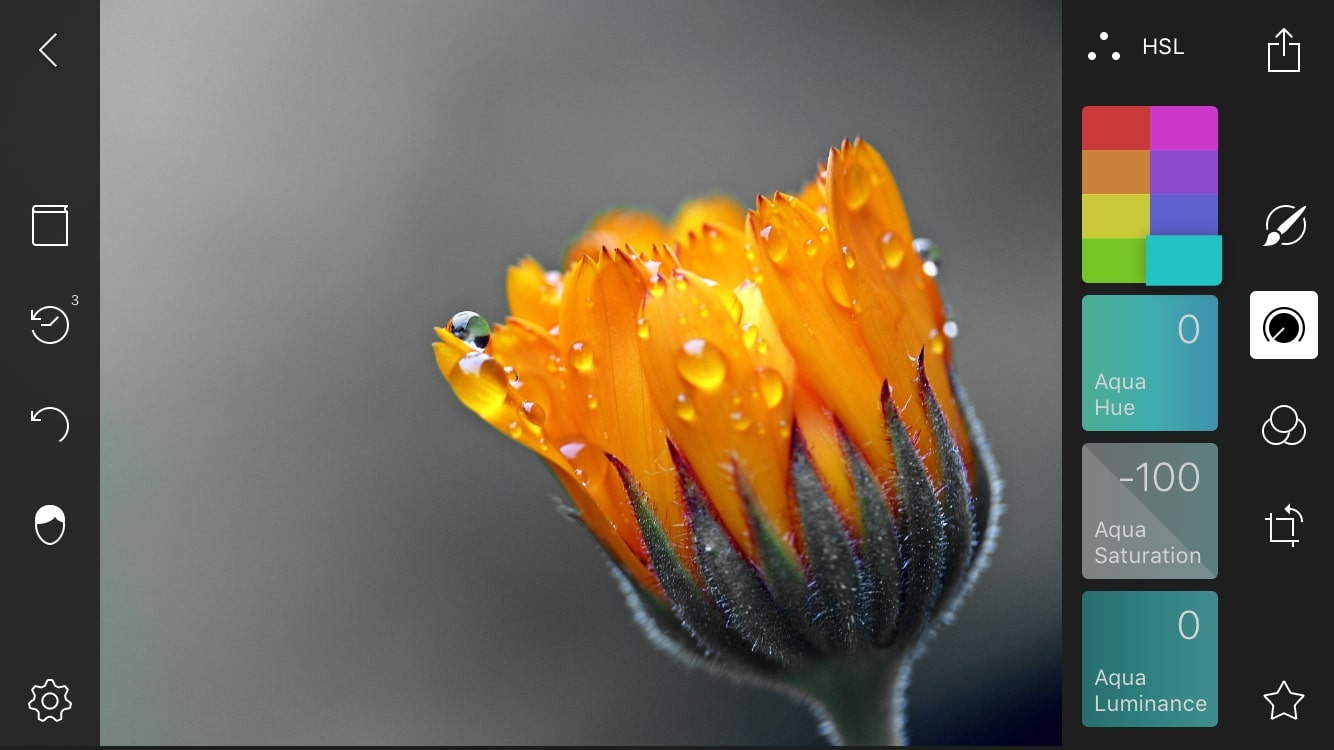
Color saturation plays a major role in determining how strong and memorable a photograph feels at first glance. Highly saturated colors naturally attract attention, making them ideal for emphasizing focal points or creating dynamic compositions.
This is why saturated colors are often used in travel, landscape, and street photography, where visual energy and atmosphere are key. At the same time, saturation influences how realistic a photo appears.
Excessive saturation can make skin tones unnatural, skies overly intense, and shadows lose detail. On the other hand, slightly reduced saturation can create a more cinematic or documentary feel, helping viewers focus on emotion rather than color intensity alone.
In color saturation in photography, visual impact is not about maximizing color strength but about balance. Strong saturation works best when contrasted with neutral tones, negative space, or softer colors.
This contrast helps the viewer’s eye move naturally through the frame while maintaining a clean and professional aesthetic.
The Role Of Light And Environment In Color Intensity
Light is one of the most influential factors affecting color saturation. The direction, quality, and color temperature of light determine how colors are recorded by the camera sensor.
Soft, diffused light tends to produce smoother and more balanced saturation, while harsh direct light can exaggerate contrast and intensify colors.
Golden hour light, for example, enhances warm tones and naturally increases perceived saturation without artificial adjustments. Overcast conditions, on the other hand, often result in flatter colors that may require subtle enhancement during post-processing.
Environmental elements such as reflective surfaces, shadows, and surrounding colors also impact saturation levels.
Understanding the relationship between light and color saturation in photography allows photographers to make smarter decisions before pressing the shutter.
Choosing the right time of day, adjusting shooting angles, and using natural reflectors can significantly improve color intensity without relying heavily on editing.
Color Saturation In Photography Settings For Natural Results
Achieving natural-looking saturation starts with proper camera settings.
Many cameras offer picture profiles or color styles that affect saturation levels. Selecting neutral or standard profiles often provides a better foundation than overly vivid presets, especially when shooting in JPEG.
Shooting in RAW format is highly recommended for photographers who want full control over color saturation in photography. RAW files preserve color data and allow precise adjustments without degrading image quality.
This flexibility is especially important when fine-tuning saturation during post-processing. In editing software, saturation should be adjusted gradually.
Instead of increasing global saturation, targeting specific color ranges often yields more realistic results. For example, enhancing greens in landscape photography or slightly boosting warm tones in portraits can improve visual appeal while maintaining authenticity.
Avoiding Oversaturation While Enhancing Photo Mood
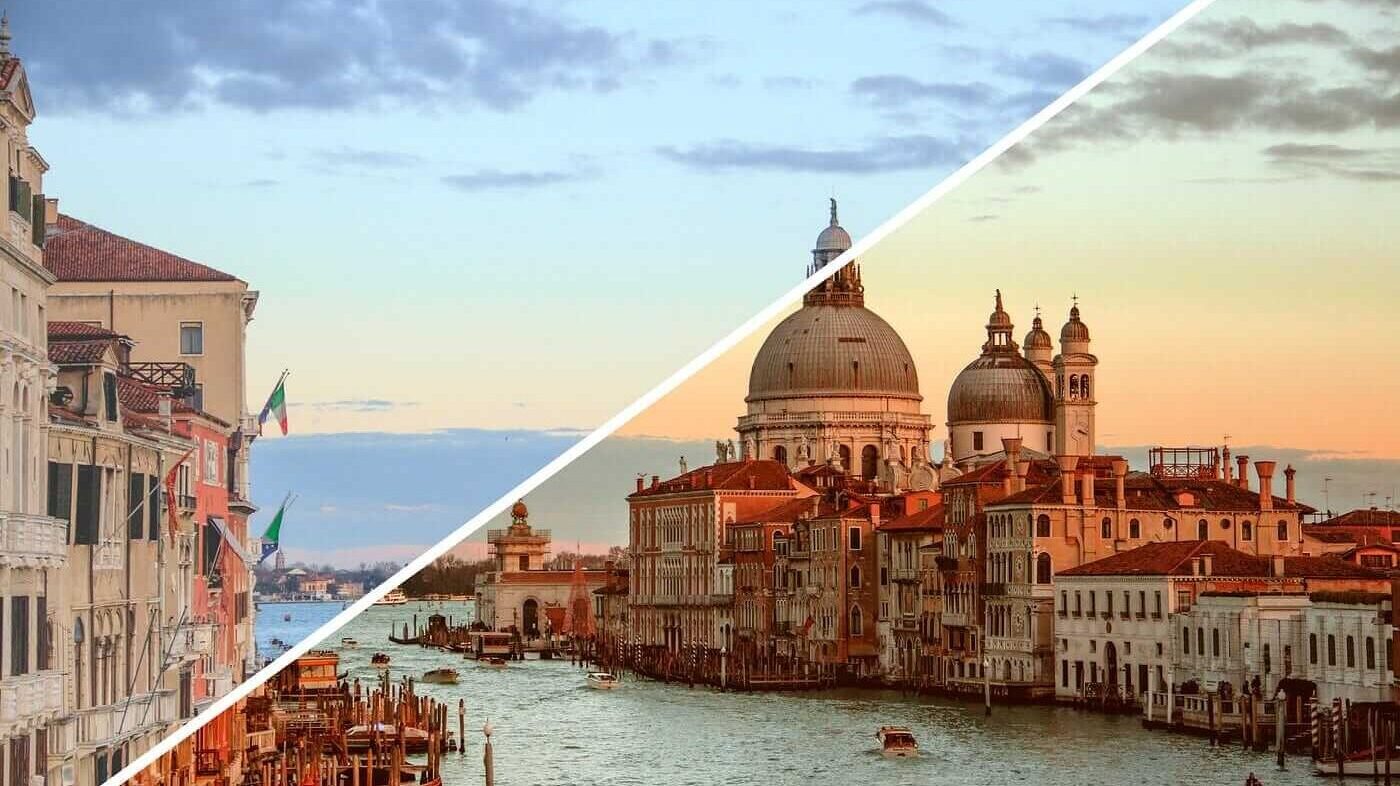
Oversaturation is one of the most common mistakes photographers make when editing images. While vibrant colors can be appealing, pushing saturation too far often leads to color clipping, loss of detail, and unrealistic tones.
This can reduce the overall credibility of the photograph. A better approach is to focus on mood rather than color intensity alone.
Lower saturation combined with contrast and lighting adjustments can produce powerful emotional effects. For example, muted tones often work well in storytelling, portraiture, and fine art photography.
In color saturation in photography, restraint is often more effective than excess. Reviewing images on different screens, stepping away before final edits, and comparing results with reference photos can help maintain balance.
The goal is to enhance atmosphere without overpowering the viewer’s senses.
Color Saturation In Photography For Emotional Storytelling
Color saturation is a key element in emotional storytelling.
right, saturated colors often communicate joy, energy, and excitement, while subdued colors can evoke calmness, nostalgia, or introspection. The saturation level you choose should align with the story you want the image to tell.
Travel photographers often use richer saturation to highlight the vibrancy of a location, while documentary photographers may prefer restrained color palettes to emphasize authenticity.
In portrait photography, controlled saturation helps preserve natural skin tones while still adding warmth and depth.
Mastering color saturation in photography means understanding how color influences emotion and using it intentionally. When saturation supports the narrative instead of dominating it, photographs become more immersive, memorable, and emotionally engaging.
See you in the next post,
Anil UZUN