

Learning the art of using sunlight in photography is one of the most powerful ways to improve the quality, tone, and emotional impact of your images.
Sunlight is a natural, free, and endlessly dynamic light source that can dramatically shape the mood of a photograph.
Whether you are shooting portraits, landscapes, nature details, or street scenes, understanding how to control sunlight gives you a strong creative advantage.
Because sunlight shifts in color, direction, and intensity throughout the day, photographers who master these changes can create images that feel richer, deeper, and more expressive.
This is why using sunlight in photography has become an essential skill for both beginners and professionals. When you learn to observe how sunlight behaves, your approach to photography becomes much more intuitive.
The angle of the sun, the quality of the shadows, and the temperature of the light all contribute to the final result. Photographers who pay attention to these factors can capture textures, emotions, and colors more effectively.
Whether you prefer soft morning light or the dramatic contrast of late afternoon shadows, using sunlight in photography allows you to manipulate the scene without needing additional equipment.
With simple adjustments to position, timing, and camera settings, any natural environment can be turned into a professional-quality studio.
This guide explores essential techniques for using sunlight in photography, including natural lighting control, shadow balance, exposure settings, and the benefits of golden hour shooting.
By understanding how sunlight interacts with your subject and surroundings, you will be able to make better creative decisions and produce visually compelling images consistently.
Using Sunlight In Photography: Mastering Natural Lighting Techniques
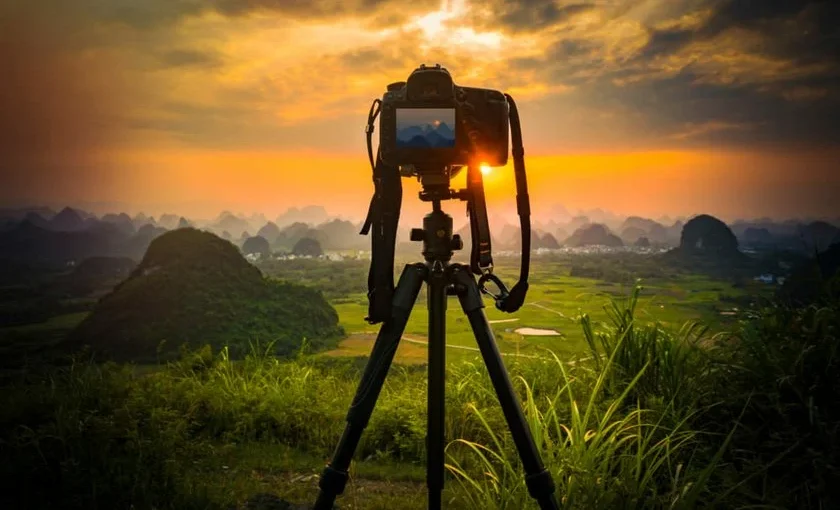
One of the most important aspects of using sunlight in photography is learning how to manipulate natural light based on its direction and intensity.
Direct sunlight creates hard shadows and strong highlights, which can be both a challenge and an opportunity depending on the mood you want to achieve.
Positioning your subject at a slight angle to the sun softens the shadows and eliminates harsh contrast.
This technique is especially effective for portrait photography, where softer light makes facial features appear more balanced. Another helpful method is diffusing sunlight by placing your subject near naturally shaded areas.
Trees, walls, and translucent materials can act as natural diffusers that soften the incoming light. Diffusion prevents unwanted glare and reduces the chances of overexposed areas in the frame.
When diffusing is not possible, reflectors become extremely useful. A white or silver reflector bounces sunlight back onto the subject, creating an even and flattering brightness.
These tools enhance the effect of using sunlight in photography without introducing artificial lighting equipment. Side lighting, also known as directional lighting, is another powerful natural lighting technique.
When the sunlight hits the subject from the side, textures and shapes become more pronounced. This type of lighting is ideal for landscapes, architectural shots, and detailed nature photos.
It adds dimension and depth, helping the viewer feel more immersed in the scene. By practicing these methods, you’ll quickly realize how versatile using sunlight in photography can be.
Capturing The Perfect Tone At Different Times Of The Day
Sunlight changes dramatically as the day progresses, and each time period offers a unique aesthetic. This is why having a clear understanding of these shifts is vital when using sunlight in photography.
Early morning light, shortly after sunrise, is soft and slightly warm. This creates a gentle atmosphere with long shadows that can beautifully outline subjects.
Photographers often choose this time for serene landscape shots, natural portraits, and outdoor lifestyle images. During midday, sunlight becomes much harsher.
The overhead position of the sun creates strong shadows under the eyes, chin, and nose, which can be difficult for portrait work. However, this light is excellent for high-contrast street photography or capturing bold architectural shapes.
Some photographers avoid midday entirely, but with proper exposure control, it is still possible to capture stunning images even under harsh conditions.
Understanding this balance is part of mastering using sunlight in photography. Late afternoon light introduces a warmer, more golden tone that enhances skin tones and natural surroundings.
Shadows become softer, and the sun’s lower angle adds dimensionality to the image. Right before sunset, the golden hour begins, producing an incredibly flattering glow.
The rich colors and softened highlights make this one of the most popular times for outdoor photography. By recognizing these unique characteristics, photographers can use the natural rhythm of daylight to elevate their creative work.
Using Sunlight In Photography: Balancing Shadows And Highlights
Balancing shadows and highlights is one of the most essential techniques when using sunlight in photography. Direct sunlight often creates intense contrasts that can either enhance your composition or make it appear too fragmented.
To achieve balance, photographers must pay attention to how shadows fall across the subject and how highlights affect the visual hierarchy of the image. One effective strategy is using reflectors to fill in dark areas.
A reflector bounces sunlight onto the shaded parts of your subject, creating a more balanced exposure. This prevents loss of detail in the shadows and reduces the dynamic range your camera needs to handle.
Reflectors are especially useful when shooting portraits outdoors or photographing objects where texture plays an important role.
Another approach is backlighting. Placing the sun behind your subject can create silhouettes or natural rim lighting around the subject’s edges.
While this technique requires careful exposure adjustment, it can add dramatic visual interest. Properly controlled backlighting brings a sense of warmth and depth to the frame.
When learning how to balance these lighting effects, photographers develop a stronger foundation in using sunlight in photography, making it easier to adapt to different environments and lighting conditions.
You can also soften harsh highlights by adjusting your shooting angle. A slight shift in position can reduce glare or help the camera capture a more natural-looking brightness.
Shadows become more manageable when the photographer takes time to observe how sunlight interacts with every element in the frame.
Exposure Settings Based On Light Direction And Background
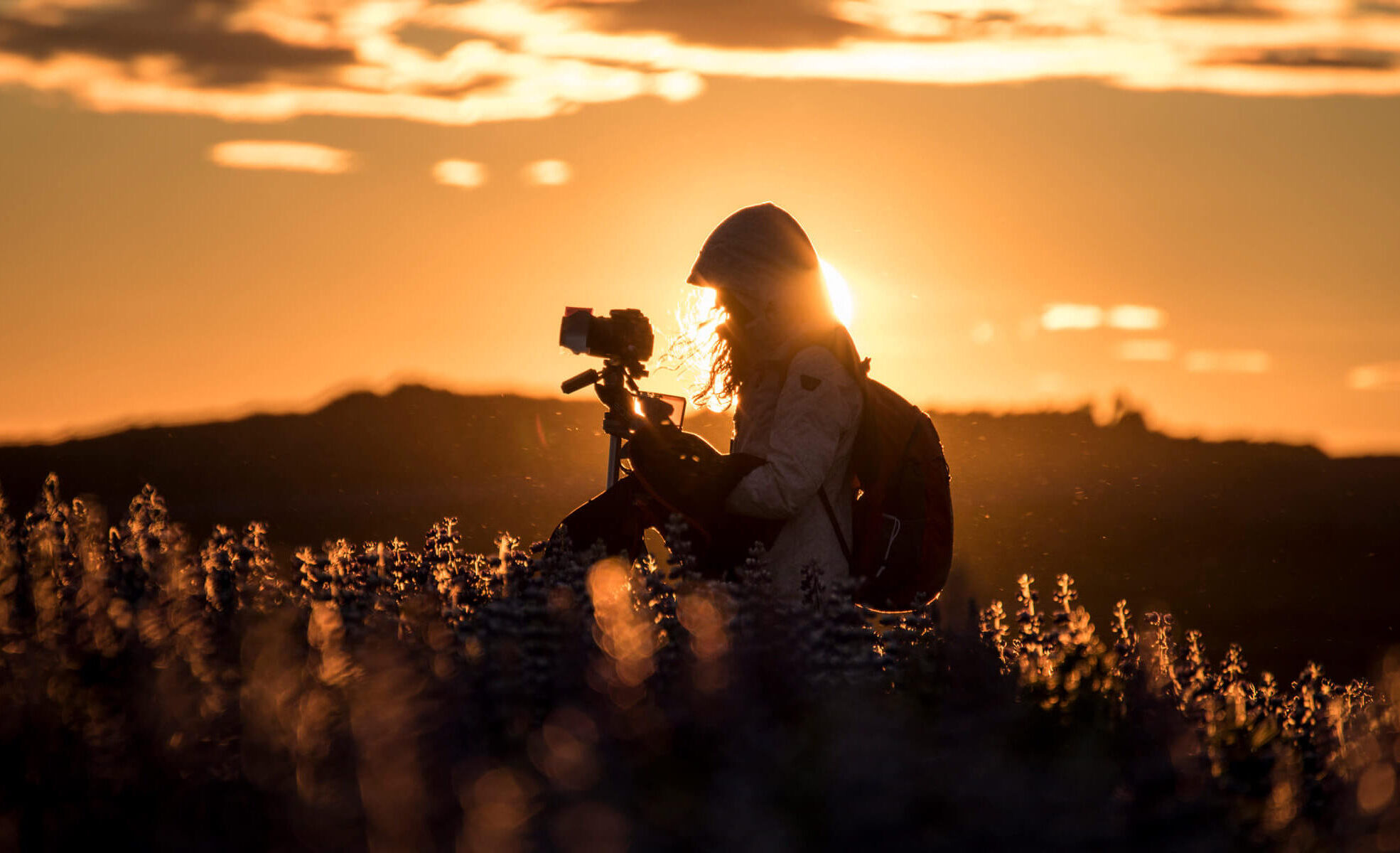
Exposure settings are a foundational part of using sunlight in photography, especially when the background is bright or the light direction is challenging.
When sunlight comes from behind the subject, cameras may underexpose the main focus of the photo. To prevent this, spot metering is extremely useful. It allows you to measure light directly from the subject rather than the entire scene.
This ensures that the subject remains properly exposed even if the background is much brighter. If sunlight is directly hitting your subject, lowering the ISO and increasing shutter speed can help maintain detail while avoiding overexposure.
Aperture adjustments also play a crucial role; a narrower aperture can reduce excessive brightness and deepen the depth of field. This technique is particularly effective in landscape photography, where detail across the entire frame is essential.
In scenarios where the background is darker than the foreground, adjusting exposure compensation gives you more control. Increasing exposure compensation brightens the subject without forcing you to change your main settings entirely.
When combined strategically, these adjustments allow photographers to manage even the most complex lighting scenarios and maximize the potential of using sunlight in photography.
Understanding how light direction affects exposure helps prevent common issues such as blown-out highlights, dull shadows, or unbalanced tones.
When mastered, exposure control becomes a natural extension of creativity, empowering photographers to take consistent and polished photographs in all types of sunlight.
Using Sunlight In Photography: The Advantage Of The Golden Hour
The golden hour is widely considered the best time for using sunlight in photography, offering a blend of soft, warm, and visually captivating light.
The sun’s low angle creates long shadows, smooth gradients, and gentle highlights that enhance nearly every type of subject. Skin tones appear naturally warm, landscapes glow with vibrant color, and architectural details gain a richer sense of depth.
One of the greatest advantages of golden hour light is its softness. Unlike harsh midday sun, golden hour illumination avoids creating overly sharp shadows or washed-out areas.
It spreads evenly across the scene, allowing photographers to capture images that feel atmospheric and cinematic. This makes it ideal for portraits, travel photography, lifestyle shoots, and outdoor product photography.
Additionally, golden hour expands creative possibilities. Photographers can experiment with backlighting to create silhouettes, sun flares, or glowing hair light on portrait subjects.
The constantly shifting color of the sky adds even more diversity to the images. Because the window of golden hour is short, it encourages photographers to plan ahead and work efficiently.
Those who regularly practice using sunlight in photography learn to anticipate these changes and capture some of their most visually compelling work during this time. The golden hour offers not just better light but also a deeper emotional tone.
It enhances storytelling and adds visual warmth, helping the viewer feel more connected to the image. This is why photographers around the world consider golden hour an essential part of their creative toolkit.
See you in the next post,
Anil UZUN