

Use of framing is one of the most essential techniques in photography when it comes to shaping how a story is told. It is not only about placing a subject inside a rectangle but also about deciding what to include and what to leave out.
Every framing decision changes how the viewer understands the image. Because of this, Use of framing directly influences both the emotional and visual impact of a photograph.
A well framed image guides the viewer’s attention in a clear and intentional way. When the frame is structured correctly, the eye naturally moves toward the subject without confusion.
On the other hand, poor framing can make even a strong subject appear weak or unclear. This is why understanding Use of framing is a key step in improving photographic storytelling.
Framing also controls context. A wide frame can show environment and relationships, while a tight frame removes distractions and focuses on details. These choices help define the message behind the image.
In many cases, what is excluded from the frame is just as important as what is included. Careful Use of framing ensures that only the most relevant elements remain visible. Another important role of framing is emotional tone.
A subject placed in a large empty space can feel isolated, while a tightly framed subject can feel intense and personal. These subtle differences shape how the viewer connects with the image.
By mastering Use of framing, photographers can create images that are not only visually appealing but also meaningful and easy to interpret.
What The Use Of Framing Means In Photography And Why It Shapes The Story
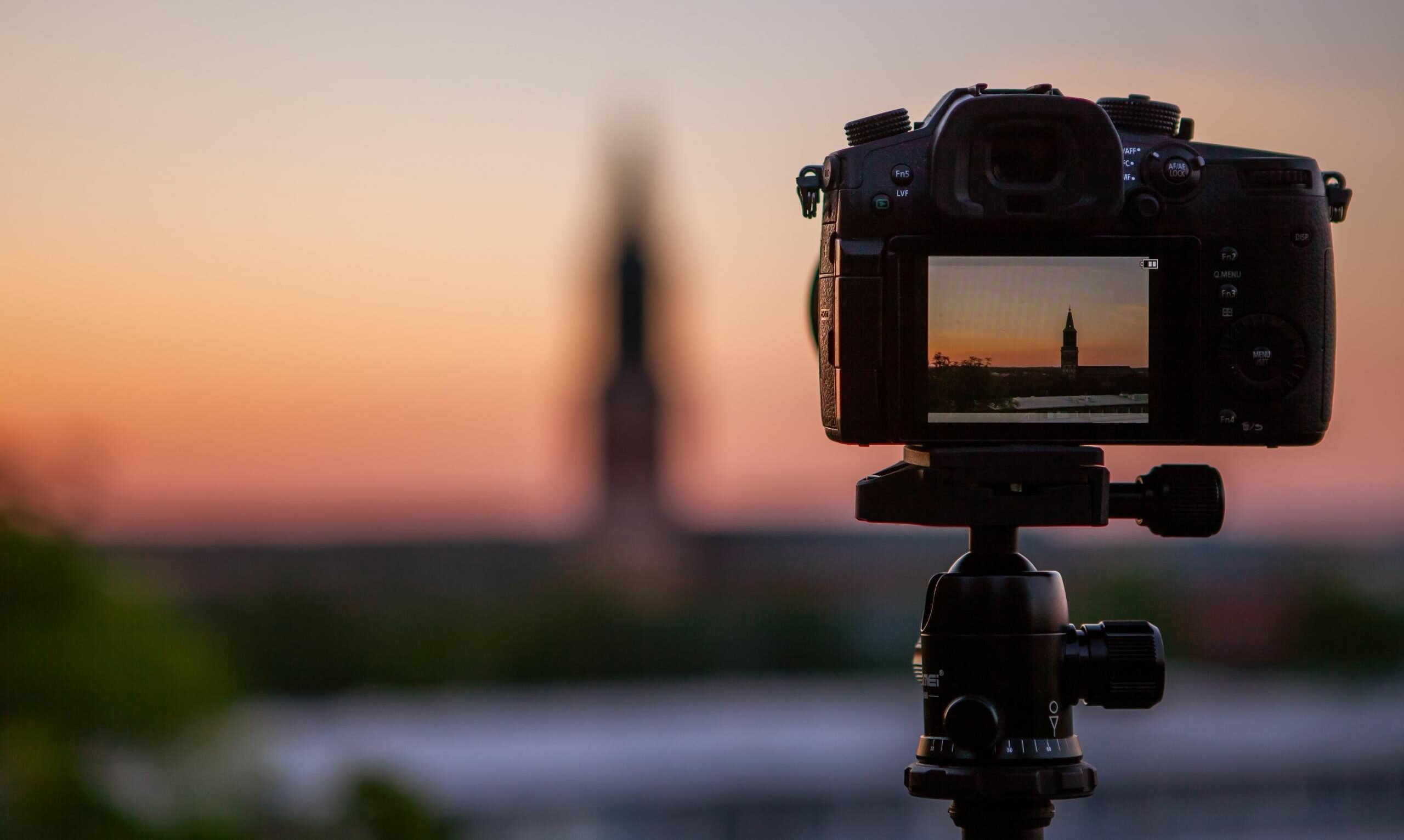
Use of framing in photography refers to how visual elements are arranged within the image boundaries. It includes both the edges of the frame and any natural elements that act as visual borders.
These can be windows, doorways, shadows, or objects in the foreground that guide the viewer’s attention. Framing shapes the story by controlling what the viewer sees first and how the eye moves across the image.
A centered subject creates a sense of stability and clarity, while an off center subject introduces movement and tension. These choices are fundamental to how Use of framing affects storytelling. Another important aspect is how framing influences context.
A wide frame includes more surroundings, giving the viewer additional information about the scene. A tighter frame removes context and focuses on emotion or detail. Both approaches serve different purposes and must be used intentionally.
Framing also determines visual hierarchy. Elements that are larger, brighter, or placed in key positions draw more attention. By controlling these elements, photographers can guide the viewer through the story step by step. Exclusion is equally important.
Removing unnecessary details strengthens the message and reduces distractions. This selective approach is a core part of effective Use of framing. When applied correctly, framing transforms a simple image into a clear and structured visual narrative.
The Use Of Framing For Stronger Subjects Distance Angle And Placement Choices
To make a subject stand out, Use of framing must be carefully controlled through distance, angle, and placement. These three elements work together to define how strong and clear the subject appears in the final image.
Distance affects how much of the subject and environment is visible. A close distance highlights details such as texture and expression, creating a more intimate connection. A wider distance includes more context, which can add depth to the story.
Choosing the right distance is essential for effective Use of framing. Angle also changes perception. Shooting at eye level creates a neutral and realistic view.
A low angle can make the subject appear dominant or powerful, while a high angle can make it seem smaller or more vulnerable. These variations influence how the viewer interprets the subject.
Placement within the frame determines visual focus. A centered subject feels stable and direct, while placing the subject off center creates a more dynamic composition. This technique encourages the viewer’s eye to move across the frame.
Reducing unnecessary movement and distractions around the subject also strengthens clarity. Clean and intentional framing allows the subject to stand out more effectively.
When distance, angle, and placement are used together, Use of framing becomes a powerful tool for emphasizing subjects and improving visual impact.
Composition Tools That Support Better Visual Flow Balance Space And Direction
Strong Use of framing depends heavily on composition tools that help organize the image. Balance, space, and direction are key elements that create a smooth visual flow and make the image easier to understand.
Balance refers to how visual weight is distributed across the frame. If one side is too heavy, the image can feel unstable. A well balanced composition ensures that the viewer’s attention moves naturally. This is an important part of effective Use of framing.
Space plays a major role in clarity. Negative space allows the subject to breathe and stand out. Too much clutter can confuse the viewer, while too much empty space can weaken the subject. Finding the right balance is essential.
Direction guides the viewer’s eye. Lines, shapes, and subject positioning all influence how the eye travels through the image. Leading lines can draw attention toward the subject or create a sense of movement. These tools work together to support framing decisions.
When used correctly, they enhance both the visual structure and the storytelling power of the image. By combining balance, space, and direction, Use of framing becomes more effective and results in stronger, more engaging photographs.
The Use Of Framing Across Different Photography Styles Portrait Street And Landscape

Different photography styles require different approaches to Use of framing. Each genre has its own visual language, and framing must adapt to match its purpose. In portrait photography, framing is usually tight.
The goal is to highlight facial expression and emotion. Background elements are minimized to avoid distraction. This creates a strong connection between the subject and the viewer. Street photography often uses wider framing.
It captures both the subject and the surrounding environment, showing context and interaction. This approach allows for more storytelling within a single image. Landscape photography typically uses very wide frames. The aim is to show scale and depth.
Foreground, middle ground, and background are all included to create a layered composition. This type of Use of framing emphasizes space and atmosphere. Each style requires a different balance between subject and environment.
Understanding these differences helps photographers choose the most effective framing technique. Adapting Use of framing to different styles improves both technical quality and storytelling impact.
Common Framing Mistakes That Weaken Meaning And Distract The Viewer
Even when the subject is strong, poor Use of framing can reduce the impact of an image. Recognizing common mistakes is essential for improving results. One common mistake is cutting off important parts of the subject.
This can make the image feel incomplete and uncomfortable. Paying attention to edges helps avoid this issue. Another problem is including distracting elements. Busy backgrounds or unrelated objects can pull attention away from the main subject.
Simplifying the frame often leads to better results. Poor balance is also a frequent issue. If visual weight is uneven, the image can feel unstable. Adjusting placement can help create a more balanced composition.
Overcrowding the frame is another mistake. Too many elements can confuse the viewer and make the image harder to understand. Clear and simple compositions are usually more effective.
By avoiding these mistakes, photographers can use Use of framing more effectively and create images that are clear, focused, and visually strong.
See you in the next post,
Anil UZUN