

Panoramic photography is one of the most powerful techniques for capturing wide landscapes, city skylines, and expansive natural scenes. A single photo frame often cannot fully represent the scale of a large environment.
This is where Panoramic photography becomes useful. By combining multiple images taken in sequence, photographers can create a single wide image that represents the scene more accurately and dramatically.
Many photographers first discover Panoramic photography while shooting landscapes. Mountains, oceans, deserts, and large urban views often extend far beyond the limits of a standard frame.
Using panorama techniques allows photographers to show the full visual story of a location rather than only a small portion of it. Another advantage of Panoramic photography is the ability to produce images with higher resolution.
Since a panorama combines multiple photos, the final stitched image can contain significantly more detail than a single photo taken with the same camera.
This makes panorama images particularly useful for printing large format photographs or showcasing detailed scenes.
Modern cameras and smartphones often include automatic panorama modes, but understanding the technique behind Panoramic photography still makes a big difference.
When photographers manually control exposure, alignment, and framing, the final image tends to look more natural and professional.
The key to successful panorama images lies in careful planning and steady shooting. Consistent camera movement, correct exposure settings, and thoughtful composition help ensure that the final panorama appears seamless.
Once these fundamentals are understood, Panoramic photography becomes an extremely valuable tool for both beginners and professional photographers who want to capture dramatic wide scenes.
What Panoramic Photography Means: Understanding Wide Framing The Right Way
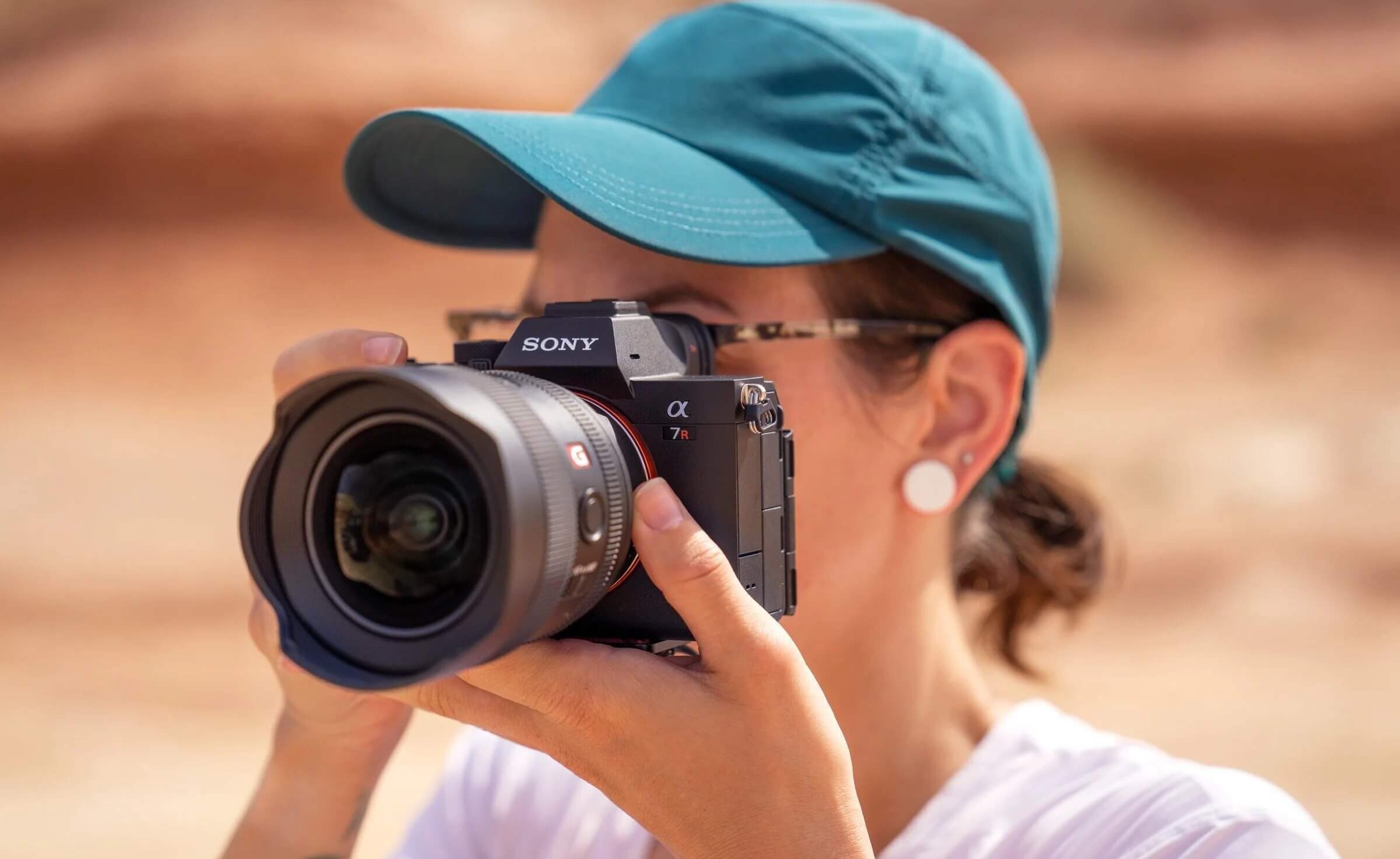
To create strong panorama images, it is important to first understand what Panoramic photography really involves.
Instead of capturing a scene in a single frame, the photographer takes a series of overlapping photos that cover the entire width of the subject. These images are later combined into one large photograph.
The goal of Panoramic photography is to expand the visual field of the camera. A typical camera lens captures only a limited angle of view.
By moving the camera across the scene and capturing multiple images, photographers effectively increase the angle of view far beyond what a single lens can capture.
Understanding wide framing is essential. The camera should move in a smooth horizontal motion while maintaining a consistent level.
If the camera tilts up or down while shooting, the final panorama may contain distortion or misaligned edges. Another important principle in Panoramic photography is maintaining consistent composition throughout the sequence.
The photographer should think of the entire panorama as one large frame rather than several individual photos. This mindset helps ensure that the final image feels balanced and intentional.
When photographers fully understand how wide framing works, they can use Panoramic photography not only for landscapes but also for architecture, interiors, and even creative storytelling images that require a broader visual perspective.
Pre Shoot Preparation: Tripod, Focus Settings, And Manual Exposure Control
Preparation plays a major role in successful Panoramic photography. Before taking the first image, photographers should ensure that the camera is properly stabilized and that key settings remain consistent throughout the entire sequence.
Using a tripod is highly recommended. A tripod allows the camera to rotate smoothly while maintaining a consistent horizon level.
This greatly reduces alignment problems when stitching images later. For serious Panoramic photography, tripod heads designed specifically for panoramic movement can also improve precision.
Focus settings are another critical factor. If autofocus is left active during the sequence, the camera may refocus on different objects in each frame.
This can lead to inconsistent sharpness across the panorama. For this reason, photographers typically focus once and then switch to manual focus before continuing the shot.
Manual exposure settings are equally important. Automatic exposure may adjust brightness between frames depending on light changes in the scene. When that happens, the stitched panorama may show visible brightness differences.
By using manual exposure, Panoramic photography ensures that every frame maintains the same shutter speed, aperture, and ISO. Taking the time to prepare properly makes the entire shooting process smoother.
With consistent settings and stable camera movement, Panoramic photography becomes much easier to manage and produces far better results.
Panoramic Photography Techniques For Better Alignment And Proper Frame Overlap
Alignment and overlap are two essential technical elements of Panoramic photography. When capturing panorama sequences, each frame must share a portion of the previous frame.
This overlapping area allows software to recognize common details and stitch the images together accurately. Most photographers aim for approximately thirty percent overlap between frames.
This amount provides enough visual information for stitching programs to identify matching points. Without sufficient overlap, Panoramic photography software may struggle to combine images correctly.
Camera movement should also remain steady and consistent. Instead of moving randomly across the scene, the camera should rotate smoothly from one side to the other.
Maintaining the same vertical position helps avoid distortions in the final panorama. Another technique used in Panoramic photography is shooting in vertical orientation rather than horizontal.
Vertical frames often provide more vertical coverage, giving the final panorama additional height and flexibility during cropping. Photographers should also avoid rushing during the shooting process.
Taking a moment between each frame helps maintain careful alignment. Slow and controlled camera movement significantly improves the chances of achieving a clean and seamless panorama.
By mastering these techniques, Panoramic photography becomes much more reliable and produces images that look natural and professionally assembled.
Avoiding Composition Problems: Horizon Line, Perspective, And Moving Subjects
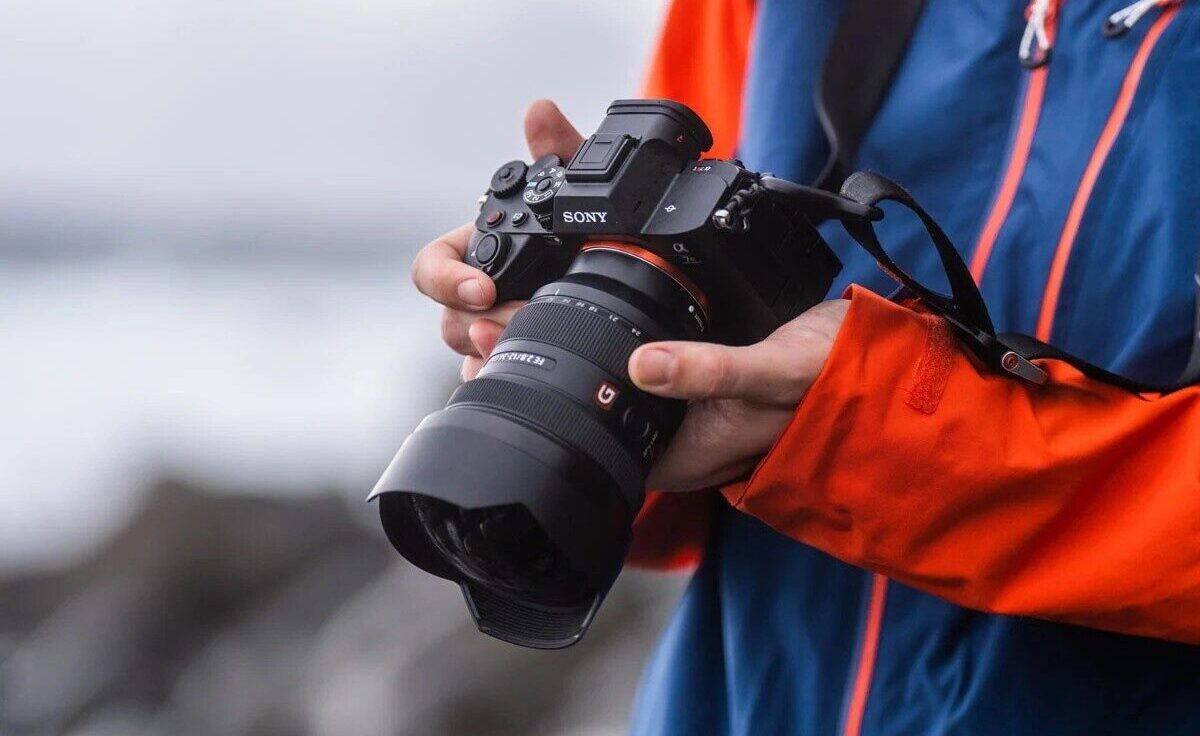
Composition is just as important as technical execution in Panoramic photography. One of the most common issues photographers encounter is an uneven horizon line.
When the horizon tilts from one side to the other, the entire panorama may appear unbalanced. Keeping the horizon level is essential. Many cameras include built in digital levels that help photographers maintain proper alignment.
Using this tool during Panoramic photography can prevent unwanted tilting. Perspective distortion is another challenge.
In urban scenes with tall buildings, perspective changes may cause structures to appear warped when the images are stitched together. Adjusting shooting position and maintaining consistent camera height can reduce these problems.
Moving subjects can also complicate panorama images. People walking through the frame, cars passing by, or waves in motion may appear multiple times or partially repeated after stitching.
For this reason, Panoramic photography works best when the scene contains mostly stationary subjects. Planning the composition before starting the sequence helps avoid these issues.
When photographers think carefully about horizon placement, subject movement, and perspective, Panoramic photography results in cleaner and more visually pleasing images.
Panoramic Photography Editing: Stitching, Cropping, And Distortion Correction
After capturing the sequence of images, the next step in Panoramic photography is post processing. Specialized software combines the individual frames into one large panoramic image.
Most modern editing programs include automated stitching tools. These tools analyze overlapping areas and merge the images together. In many cases, the software aligns frames automatically and corrects small distortions during the process.
Once the panorama is created, cropping becomes necessary. Because of slight alignment differences, the outer edges of the stitched image may appear irregular. Cropping removes these uneven edges and helps finalize the composition.
Distortion correction is another important step. Wide panoramic images sometimes show curved lines or stretched edges. Many editing tools include perspective and distortion adjustments specifically designed for Panoramic photography.
Color consistency may also need minor adjustments. Even when exposure settings are controlled, subtle lighting differences between frames can occur. Adjusting contrast, brightness, and color balance helps unify the entire image.
Through careful editing, Panoramic photography transforms a series of individual photos into a single dramatic image that captures the full scale and beauty of a scene.
See you in the next post,
Anil UZUN