

Sharp photos with remote control techniques are essential for photographers who want to achieve maximum clarity and professional image quality.
Even the smallest movement during shooting can reduce sharpness, especially in situations where stability is critical. Using a remote control allows you to trigger the camera without physically touching it, which helps eliminate unwanted vibrations.
Many photographers focus only on camera settings such as aperture or shutter speed, but physical stability is just as important. When the camera remains completely still, the final image appears much sharper.
This is where Sharp photos with remote control methods make a significant difference in overall image quality. This approach is not limited to professional photographers.
Beginners can also benefit greatly from using remote triggers, especially when shooting in low light or working with a tripod. Over time, applying Sharp photos with remote control becomes a natural part of the shooting workflow.
Another advantage is improved control. You can take photos without disturbing your composition or camera position. This helps maintain accuracy and consistency in your shots.
In addition, remote shooting allows you to capture precise moments without rushing. This is especially useful in creative photography where timing matters.
When used correctly, Sharp photos with remote control techniques can significantly improve both sharpness and overall image consistency.
Why Sharp Photos With Remote Control Matter Less Vibration And More Consistent Results
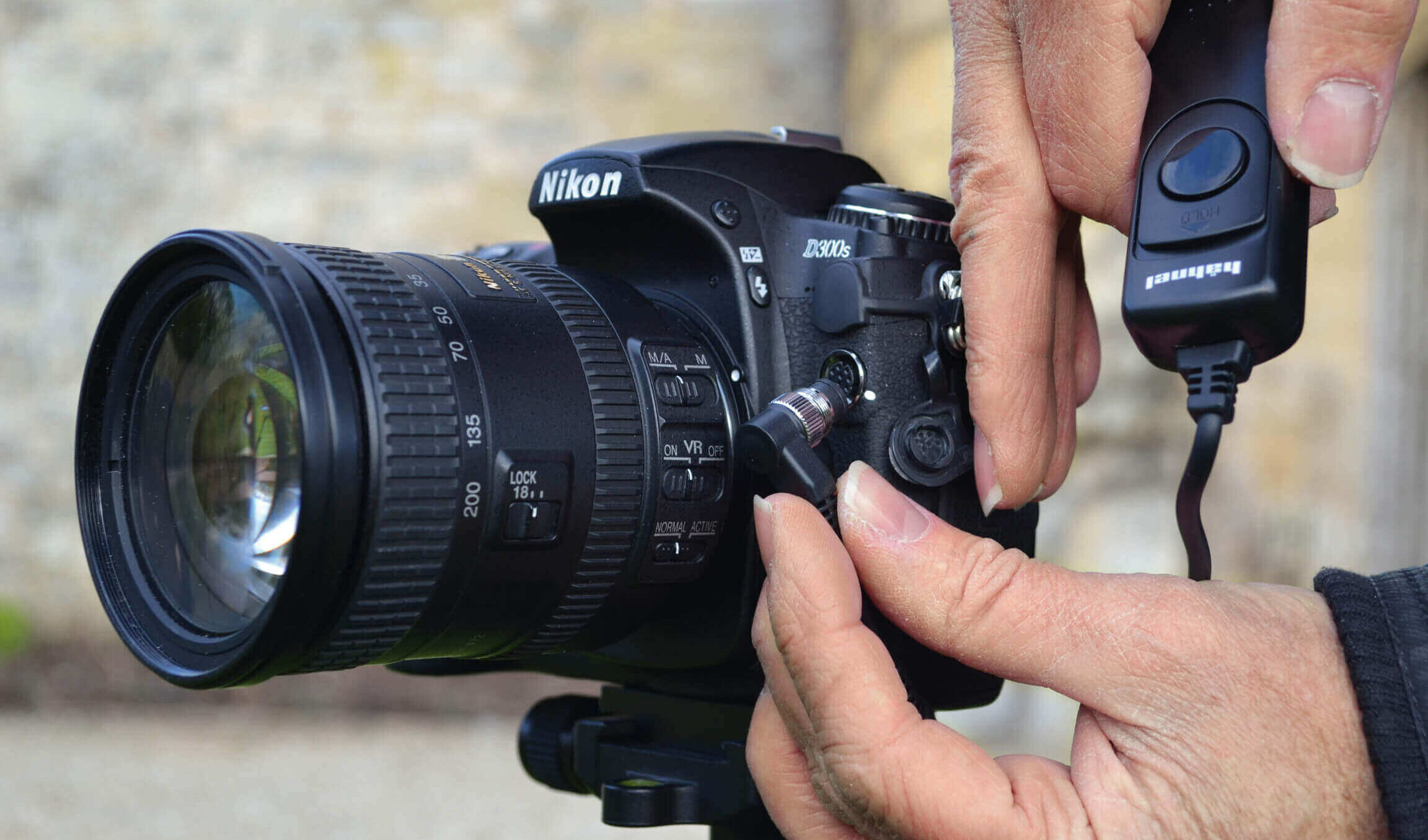
Achieving sharp images is one of the main goals in photography. In many cases, even slight camera movement can cause noticeable blur. This is why Sharp photos with remote control methods are so valuable.
Pressing the shutter button manually introduces a small amount of vibration. While this movement may not be visible to the eye, it can affect image clarity, especially at slower shutter speeds. Using remote triggering removes this issue completely.
This becomes even more important during long exposure photography. In these situations, the camera captures light over a longer period of time, making it more sensitive to movement.
With Sharp photos with remote control, the risk of blur is significantly reduced. Consistency is another key benefit. When taking multiple shots under the same conditions, using a remote ensures that each photo is captured with minimal variation.
This leads to more reliable results. This technique is also useful for detailed photography such as architecture or product shots. In these cases, even the smallest loss of sharpness can reduce overall image quality.
By reducing vibration and increasing control, Sharp photos with remote control help photographers achieve cleaner and more professional results in a wide range of scenarios.
Sharp Photos With Remote Control Setup Tripod Timer And Focus Settings That Help
To get the best results, Sharp photos with remote control should be combined with proper setup. Using the right equipment and settings ensures that the technique works effectively. A tripod is the foundation of stability.
It keeps the camera completely still and prevents movement caused by handholding. When paired with remote triggering, it creates an ideal setup for sharp images. A timer can also be used as an alternative when a remote is not available.
Even a short delay helps reduce vibration after pressing the shutter button. However, using a remote control remains the most reliable method. Focus settings are equally important. Autofocus may not always lock onto the correct subject, especially in low light.
Switching to manual focus can improve precision and ensure better results when aiming for Sharp photos with remote control. It is also important to check your composition before taking the shot.
Once everything is set, avoid touching the camera. This helps maintain stability throughout the process. In addition, using a stable surface and avoiding environmental vibrations can further improve results.
When all these elements are combined, Sharp photos with remote control techniques become much more effective and produce consistently sharp images.
Where This Method Works Best Night Photography Macro Long Exposure And Group Shots
There are specific situations where Sharp photos with remote control provide the greatest benefit. These scenarios usually involve conditions where even minor movement can affect image quality.
Night photography is one of the most important examples. Low light conditions require slower shutter speeds, which increase the risk of blur. Using a remote ensures that the camera remains stable during the entire exposure.
Macro photography also benefits greatly from this method. When shooting close-up subjects, even the smallest vibration can ruin the sharpness. This makes Sharp photos with remote control essential for capturing fine details.
Long exposure photography is another key area. Whether capturing light trails or smooth water effects, stability is critical. Remote triggering helps maintain consistency throughout the exposure.
Group photography is also a practical use case. It allows the photographer to be included in the shot while maintaining full control over timing and composition. Additionally, landscape photography often requires high levels of sharpness.
Using a remote helps ensure that every detail is captured clearly. In all these situations, Sharp photos with remote control significantly improve image quality and reliability.
Sharp Photos With Remote Control Mistakes Common Problems And Simple Fixes
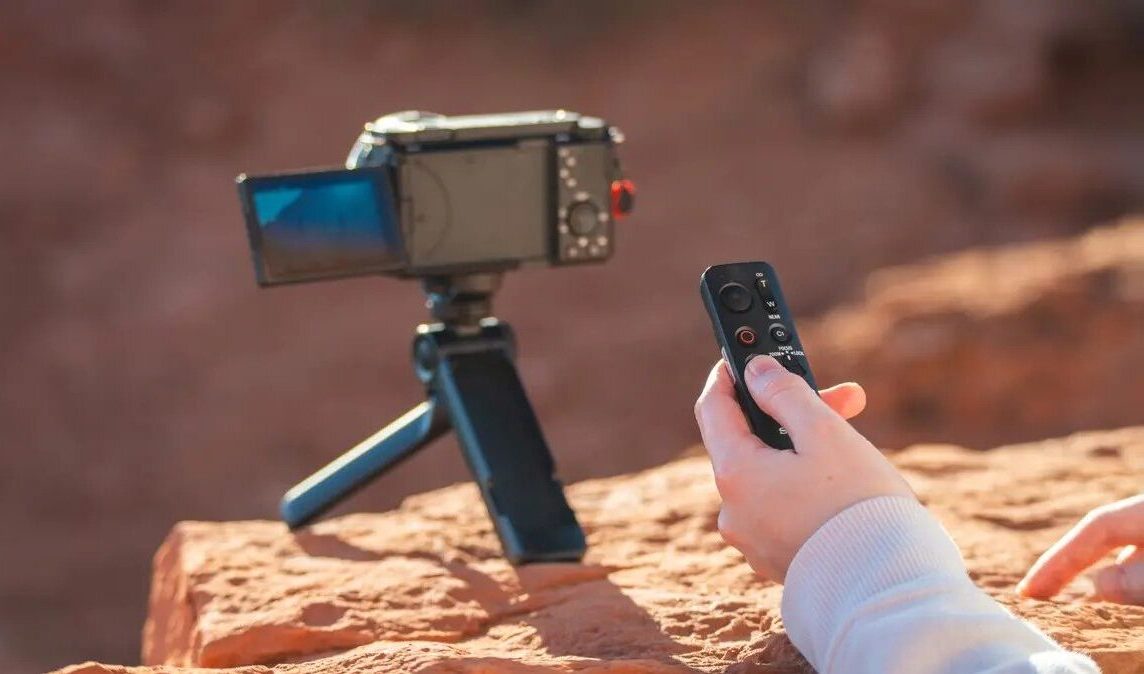
Even when using Sharp photos with remote control, some common mistakes can reduce effectiveness. Understanding these issues helps improve results quickly. One common mistake is not using a tripod.
A remote alone cannot eliminate all movement if the camera is not stable. Always combine both tools for best results. Another issue is incorrect focus. Autofocus may fail in certain conditions, leading to soft images.
Switching to manual focus can help ensure better sharpness. High ISO settings can also reduce image quality by introducing noise. While this does not directly affect sharpness, it can make images appear less clear.
Leaving image stabilization turned on while using a tripod is another mistake. In some cases, this can create slight movement instead of reducing it. Rushing the setup is also a common problem.
Taking time to prepare your shot improves the effectiveness of Sharp photos with remote control. By avoiding these mistakes, photographers can achieve much better results and fully benefit from this technique.
Extra Ways To Improve Sharpness Stabilization Mirror Lockup And Shutter Control
In addition to Sharp photos with remote control, there are several techniques that can further improve image sharpness. Mirror lockup is useful for DSLR cameras. It prevents internal movement caused by the mirror flipping, which can introduce vibration.
Stabilization settings should be adjusted depending on the situation. When using a tripod, turning off stabilization can help avoid unnecessary movement. Shutter control also plays an important role.
Using smooth and controlled triggering ensures that the camera remains stable throughout the shot. Continuous shooting mode can sometimes help reduce vibration by capturing multiple frames quickly.
Proper lens choice also contributes to sharpness. High-quality lenses produce clearer and more detailed images. When combined with Sharp photos with remote control, these techniques create a complete system for achieving maximum image clarity.
With the right setup and careful execution, photographers can consistently produce sharp and professional-quality images.
See you in the next post,
Anil UZUN