

Understanding macro photography depth of field is one of the biggest challenges in close up photography. When cameras move extremely close to a subject, the area that appears sharp becomes very small.
A flower petal, insect eye, or tiny texture may look perfectly focused while the rest of the subject quickly falls out of focus. Because of this, controlling macro photography depth of field is essential for creating detailed and professional looking images.
Many photographers are surprised when they first try macro photography. Even tiny camera movements can shift focus dramatically.
Unlike standard photography, where larger portions of a scene may remain sharp, macro photography often limits sharpness to only a few millimeters.
This narrow focus area can be used creatively to isolate details and direct attention toward specific parts of a subject. However, situations that require more of the subject to remain sharp demand careful planning and technique.
Several factors affect macro photography depth of field, including aperture, shooting distance, lens choice, lighting, and camera stability. Understanding how these elements work together allows photographers to achieve better results consistently.
This guide explains why depth of field becomes so narrow in macro photography, how stability and lighting help, how focus stacking works, how aperture and distance influence sharpness, and which mistakes photographers should avoid.
Macro Photography Depth Of Field Basics And Why It Becomes So Narrow Up Close
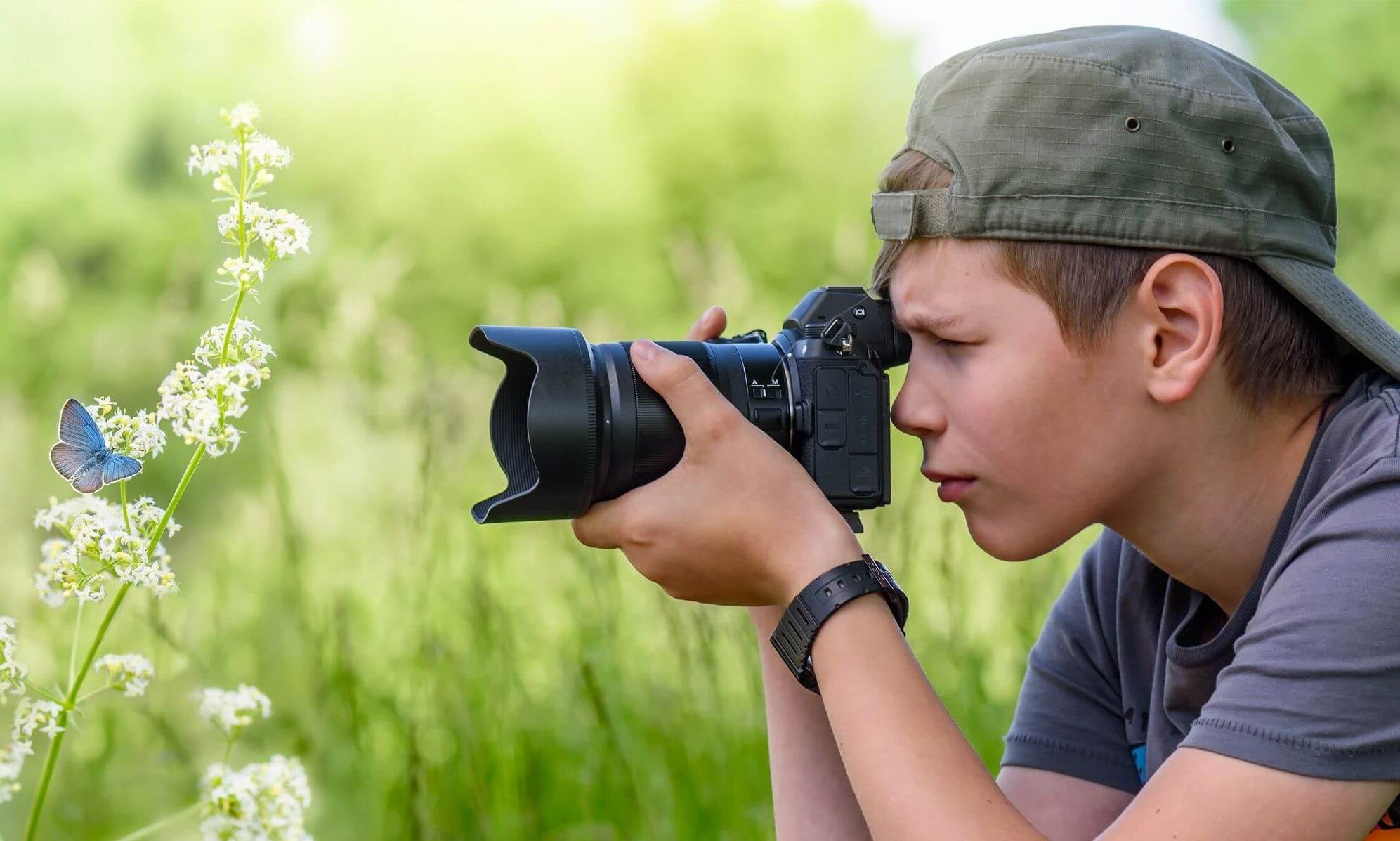
The concept of macro photography depth of field refers to the portion of an image that appears acceptably sharp. In macro photography, this area becomes extremely small because the camera is positioned very close to the subject.
As magnification increases, depth of field decreases. This means that when photographers move closer to capture tiny details, the amount of the subject that remains in focus becomes smaller.
For example, an insect may have perfectly sharp eyes while the wings and body appear blurred. This is a normal characteristic of macro photography.
The narrow nature of macro photography depth of field can create attractive artistic effects by separating the subject from the background. However, it can also make it difficult to keep an entire subject sharp when detail is important.
Subject size influences the challenge as well. Smaller subjects usually require greater magnification, which further reduces available depth of field. Understanding this behavior helps photographers make smarter focusing and composition decisions.
Learning these fundamentals is the first step toward controlling macro photography depth of field more effectively.
Macro Photography Depth Of Field Control Through Light Stability And Camera Support
Lighting and stability are essential when working with macro photography depth of field. Because photographers often use smaller apertures to increase sharpness, additional light becomes necessary.
Good lighting allows lower ISO settings and faster shutter speeds, helping preserve image quality. Ring lights, diffused flashes, and continuous lighting systems are common solutions. Camera stability is equally important.
Even the smallest movement can shift focus significantly during macro photography. This is why tripods are frequently used when maximizing macro photography depth of field.
Remote shutter releases can reduce vibration further by preventing direct contact with the camera during exposure. Outdoor subjects such as flowers and insects introduce another challenge because wind can cause movement.
Even slight subject motion may affect sharpness. A controlled shooting setup often produces more consistent results than handheld shooting when maximum detail is required.
Combining strong lighting with reliable camera support helps photographers manage macro photography depth of field more successfully.
How To Use Focus Stacking For More Sharp Detail Across The Subject
Focus stacking is one of the most effective solutions for overcoming macro photography depth of field limitations. Instead of relying on a single image, photographers capture several frames focused at different points.
These images are later combined using software. The sharp areas from each frame are merged into a single photograph with much greater overall detail.
Focus stacking is especially useful for flowers, insects, products, and scientific subjects where maximum sharpness is desired. When using this method, camera stability becomes extremely important.
A tripod helps maintain alignment between images. Many modern cameras now include focus bracketing features that simplify the process of expanding macro photography depth of field.
The focus increments should remain small enough to ensure smooth transitions between sharp areas. Although focus stacking requires extra effort, it often delivers results that cannot be achieved through a single exposure.
For photographers who want maximum detail, focus stacking remains one of the most valuable techniques available.
Macro Photography Depth Of Field With Aperture Distance And Lens Choice In Better Balance
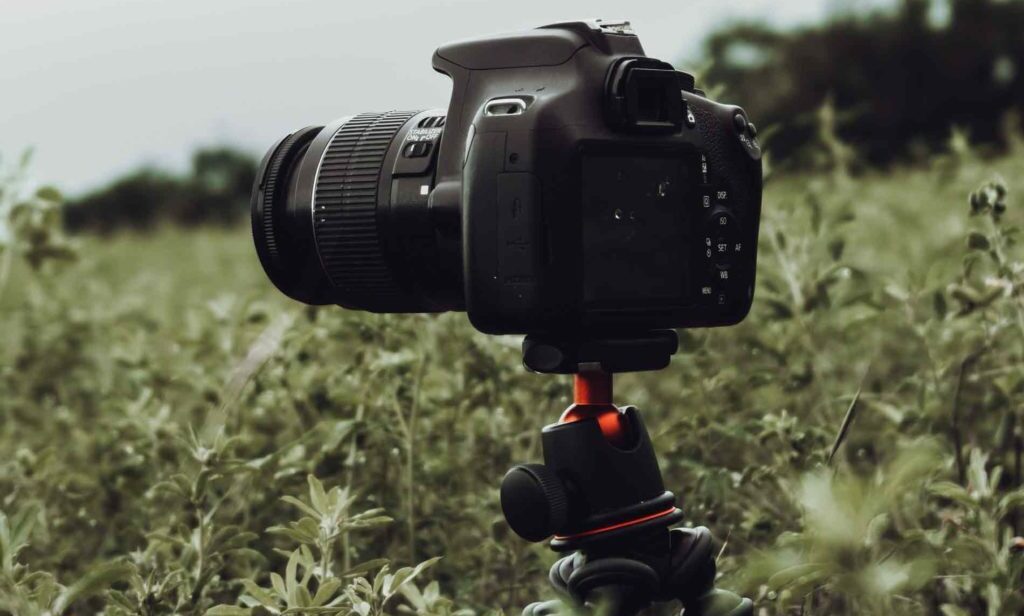
Several technical factors influence macro photography depth of field, but aperture, distance, and lens choice are among the most important. Aperture controls how much of the image remains sharp.
Smaller apertures generally increase depth of field and keep more of the subject in focus. However, using extremely small apertures may reduce image quality because of diffraction. A balanced approach usually produces better results.
Distance also affects macro photography depth of field. The closer the camera moves to the subject, the narrower the focus area becomes. Lens choice matters as well.
Dedicated macro lenses are designed to provide high magnification while maintaining strong image quality. Longer focal length macro lenses often provide additional working distance between the camera and subject.
This can be useful when photographing insects and other sensitive subjects. Instead of relying on a single adjustment, photographers should balance aperture, distance, and lens characteristics together.
This combination provides greater control over macro photography depth of field and overall image sharpness.
Common Macro Mistakes That Reduce Sharpness And Make Depth Harder To Manage
Several mistakes make macro photography depth of field more difficult to control and often reduce image quality. One common mistake is relying only on very small apertures.
While depth of field increases, excessive aperture reduction can lower sharpness. Insufficient camera stability is another major issue. Small vibrations become highly visible at macro magnifications.
Poor lighting often forces higher ISO settings or slower shutter speeds, both of which may reduce image quality. Incorrect focus placement is also common.
Because macro photography depth of field is extremely narrow, focusing on the wrong area may leave the most important details soft. Ignoring subject movement can create additional problems.
Even gentle wind may affect flowers, leaves, or insects enough to reduce sharpness. Many beginners avoid focus stacking even when it would improve the final image significantly.
Reviewing images carefully and correcting mistakes early helps improve consistency. By avoiding these common problems, photographers can manage macro photography depth of field more effectively and produce sharper macro photographs.
See you in the next post,
Anil UZUN