

Color filter photography is a powerful technique that allows photographers to transform ordinary scenes into visually striking and emotionally engaging images.
By altering the color of light entering the lens or hitting the subject, this method changes how a photo feels, not just how it looks. When used intentionally, Color filter photography becomes more than a stylistic choice. It becomes a storytelling tool.
One of the main strengths of this technique is its ability to control mood instantly. A simple shift from warm tones to cool tones can completely change the emotional direction of a photo.
This makes Color filter photography especially useful for creative projects where atmosphere matters as much as composition. Another advantage is flexibility. Whether you are shooting portraits, street scenes, or conceptual images, color filters can adapt to many styles.
You can create subtle tonal changes or bold, dramatic effects depending on your approach. This range makes Color filter photography accessible for both beginners and advanced photographers.
However, using color filters effectively requires more than just placing a filter in front of a light source. It involves understanding light behavior, composition, and color harmony. Without that awareness, the result can feel random instead of intentional.
In this guide, you will learn how color filters influence mood, which shooting styles work best, how to strengthen storytelling, how to control light and composition, and how to avoid common mistakes in Color filter photography.
What Color Filter Photography Means And How It Changes Mood Light And Atmosphere
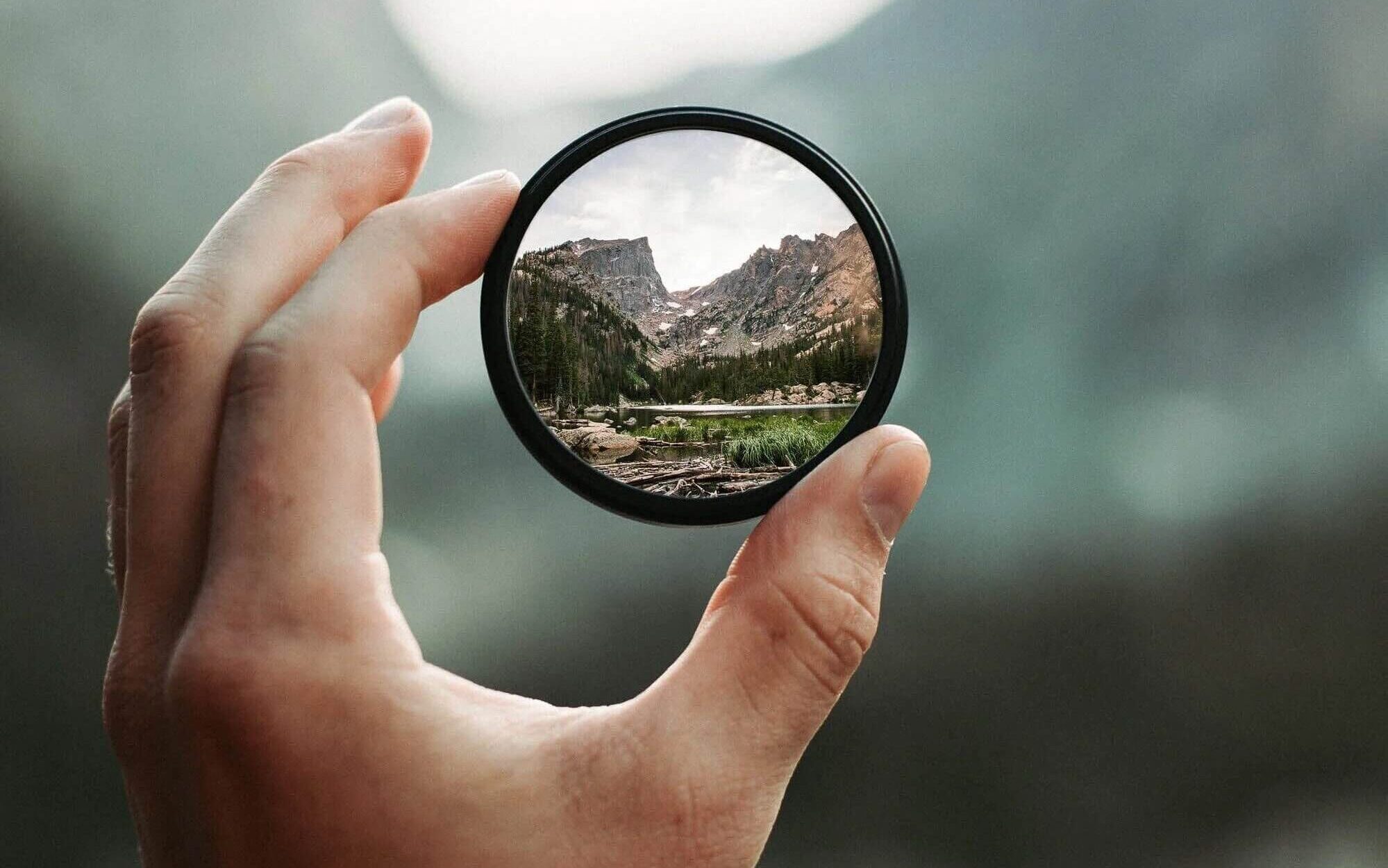
Color filter photography refers to the use of colored filters or gels to modify the light in a scene. These filters can be placed over light sources, lenses, or even used creatively within the frame.
The goal is to shift color tones in a controlled way to influence how the image is perceived. Color plays a direct role in emotional response. Warm colors like red and orange create energy, intensity, and warmth.
Cool colors like blue and green bring calmness and distance. By using these tones intentionally, Color filter photography allows photographers to guide how viewers feel when they see an image.
Light interaction is also important. The strength and direction of light determine how visible the color effect will be. Soft lighting creates smooth transitions, while strong lighting produces bold and high contrast effects.
This is why controlling light is essential in Color filter photography. Atmosphere is shaped by combining color and light. A single color filter can unify a scene, while multiple colors can create contrast and tension.
This makes the image more dynamic and visually engaging. Understanding these elements helps photographers move beyond random effects and use Color filter photography as a deliberate creative tool.
Best Shooting Styles For Color Filter Photography Portraits Street Scenes And Concept Work
Different styles of photography benefit from Color filter photography in unique ways. Choosing the right type of shoot is important for achieving strong results.
Portrait photography is one of the most effective areas for this technique. Color filters can highlight facial features, create mood, and emphasize emotion. A soft colored light can add depth, while contrasting colors can create dramatic tension.
This makes Color filter photography highly expressive in portrait work. Street photography offers another creative opportunity. Urban environments often include artificial lights, reflections, and textures that interact well with colored filters.
Using filters in these settings can turn everyday scenes into visually striking compositions. Concept photography allows the most freedom. Here, Color filter photography becomes part of the core idea.
Colors can represent themes, emotions, or narratives. This approach is often used in editorial and artistic photography. Each style requires a slightly different approach.
Portraits focus on subtle control, street scenes rely on timing, and concept work depends on planning. Understanding these differences helps maximize the potential of Color filter photography.
How To Use Light Direction Background Choice And Angles For Better Results
To achieve strong results in Color filter photography, technical control is essential. Light direction, background, and angles all influence how colors appear in the final image. Light direction determines how color spreads across the subject.
Front lighting produces even color coverage, while side lighting creates shadows and depth. Backlighting can produce silhouettes with colored edges. Each option changes how Color filter photography is perceived.
Background choice is equally important. A clean background helps colors stand out, while a complex background can reduce clarity. Dark backgrounds often enhance color intensity, while light backgrounds create softer effects.
Angles also play a significant role. Shooting from different positions changes how light interacts with surfaces. This can create variations in color intensity and distribution. Experimenting with angles is a key part of mastering Color filter photography.
Combining these elements creates more controlled and intentional results. Instead of relying on random effects, photographers can shape the image with precision.
Color Filter Photography For Stronger Storytelling Emotion Contrast And Visual Impact
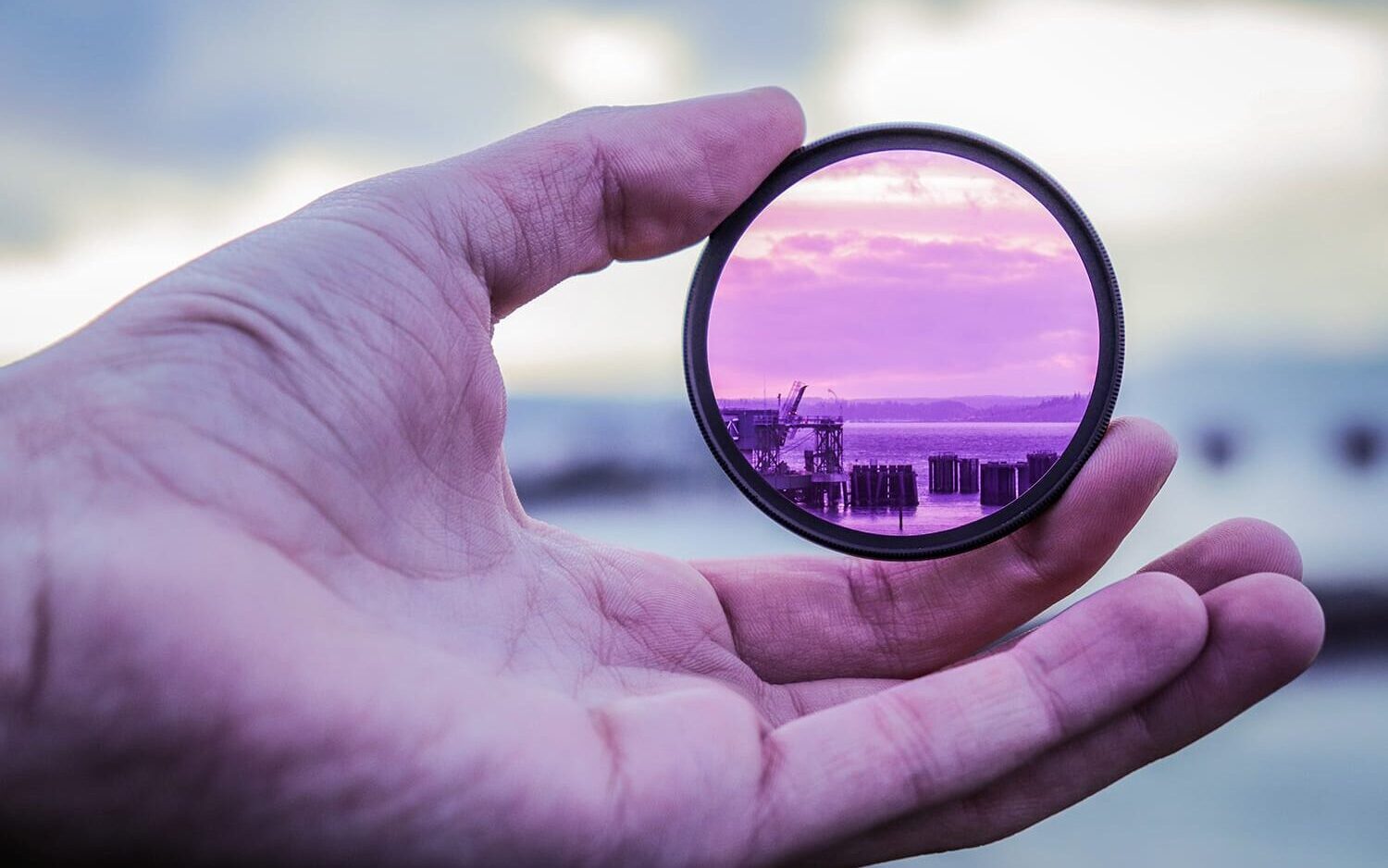
Storytelling is one of the strongest uses of Color filter photography. Colors communicate meaning instantly, often without the need for additional elements. This makes them a powerful tool for visual narratives.
Emotion is directly connected to color choice. Red can suggest passion or tension, blue can express calm or isolation, and yellow can indicate energy or warmth. Choosing the right color helps define the emotional direction of the image.
This is why Color filter photography plays a key role in storytelling. Contrast is another important element. Combining different colors in one frame can create visual tension and depth.
For example, using warm and cool tones together makes the subject stand out more clearly. This contrast increases the visual impact. Layering colors can also add complexity.
Background and foreground colors can interact in ways that guide the viewer’s attention. This makes the composition more dynamic and engaging. When used thoughtfully, Color filter photography transforms simple scenes into meaningful visual stories.
Common Color Filter Photography Mistakes And How To Keep The Effect Creative And Balanced
While Color filter photography offers creative freedom, it is easy to make mistakes that reduce image quality. Understanding these issues helps maintain balance and clarity. One common mistake is overusing color.
Too many strong tones in one image can make it confusing and overwhelming. Keeping the color palette simple often produces better results. Another issue is poor light control. If the lighting is too weak or too strong, the filter effect may not appear as intended.
Proper exposure is essential for effective Color filter photography. Background distractions are also a problem. Busy environments can compete with the color effect and reduce focus on the subject.
Choosing a cleaner composition improves clarity. Inconsistent color use can weaken storytelling. Random color choices make the image feel unplanned. A consistent approach helps maintain visual coherence.
Finally, using filters in every situation is not always necessary. Some scenes work better with natural light. Knowing when not to use Color filter photography is just as important as knowing how to use it.
By avoiding these mistakes, photographers can create images that are both creative and visually balanced.
See you in the next post,
Anil UZUN