

The rise of modern aerial imaging has made drone photography one of the most exciting and rapidly evolving fields in visual arts.
Whether you are exploring landscapes, capturing outdoor events, or simply experimenting with creative angles, drone photography offers a unique perspective that traditional cameras cannot provide.
Beginners often find this area both inspiring and challenging, as mastering flight control, understanding light, and learning composition all play major roles in capturing compelling images.
As technology advances, drones have become easier to operate, allowing newcomers to experience the creative power of drone photography with accessible tools and intuitive controls.
The appeal of drone photography lies in its ability to transform ordinary scenes into extraordinary visuals. A simple coastline, a forest trail, or a busy street can take on an entirely new aesthetic when viewed from above.
For beginners, learning how to balance camera settings, flight stability, and composition is key to achieving professional-quality results.
While modern drones include advanced features like automatic exposure, obstacle detection, and intelligent shooting modes, understanding the fundamentals of drone photography provides more control and helps you develop a consistent creative style.
As you start exploring the world of drone photography, the learning curve may seem steep. However, with consistent practice, careful planning, and an understanding of basic principles, you will quickly notice improvements in your work.
From selecting the right equipment to recognizing the best lighting conditions, each step contributes to building confidence.
This guide is designed to help beginners gain the essential knowledge required to approach drone photography with clarity and creativity.
Drone Photography: Essential Equipment And Camera Settings
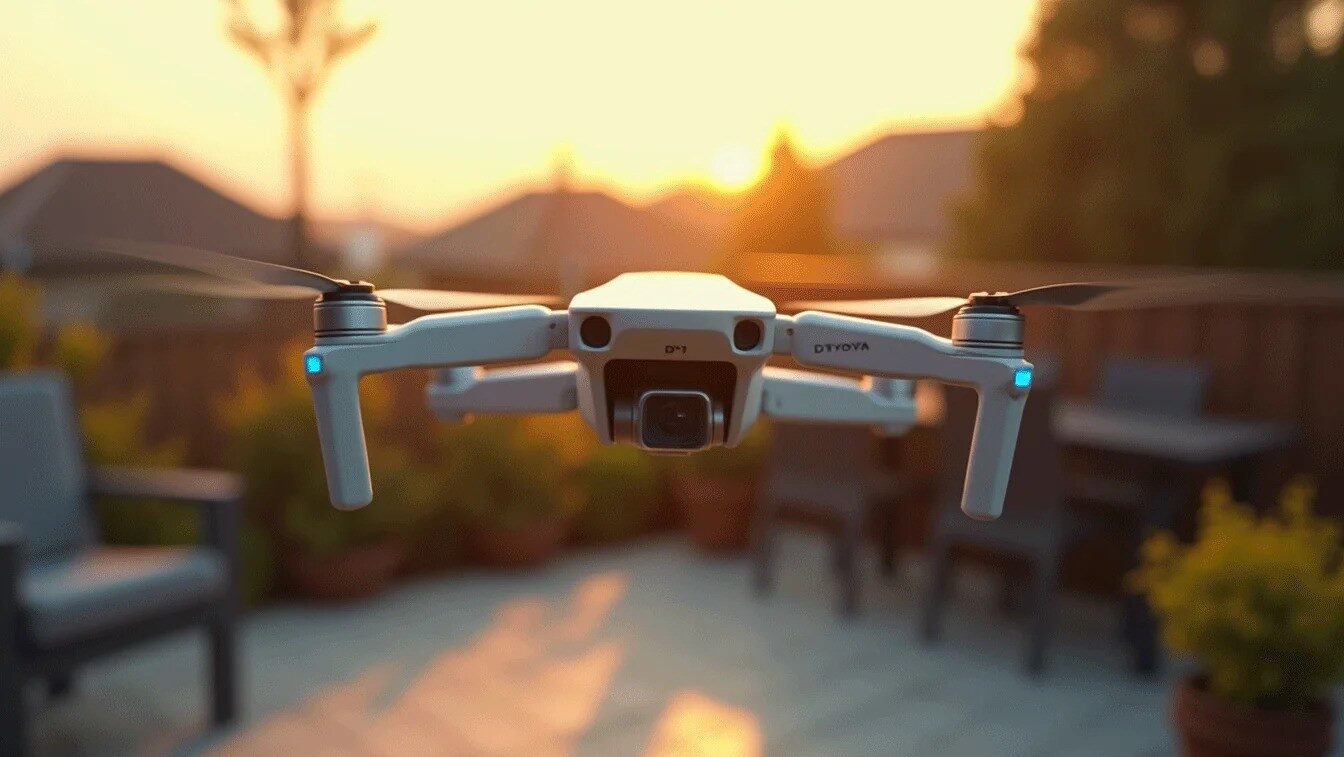
Choosing the right equipment is one of the most important steps when starting with drone photography. Most beginners benefit from compact drones with high-resolution cameras, stable gimbals, and user-friendly controls.
Professional models offer adjustable apertures, larger sensors, and advanced color profiles, but entry-level drones can still deliver impressive results when used with proper technique.
Additional essentials include spare batteries, ND filters, extra propellers, and fast memory cards. These accessories ensure that your drone photography sessions run smoothly and without interruption.
Camera settings also play a crucial role. Shooting in RAW format gives more editing flexibility, especially when adjusting exposure, shadows, or highlights.
Beginners should aim to keep ISO values low to avoid noise, while shutter speed must be adjusted depending on movement and available light. Using ND filters helps control brightness in harsh sunlight and prevents overexposure.
Understanding manual control allows you to adapt settings effectively in different environments, which is one of the core skills in drone photography. Flight stability is another major factor that affects image quality.
Calibrating sensors, monitoring GPS strength, and ensuring smooth gimbal movement all help achieve sharp and stable shots.
Many drones also offer intelligent modes like follow, orbit, and waypoint flight, which can enhance drone photography once you master basic manual control.
Learning how these modes function gives you more creative freedom while maintaining consistency in your shots.
Understanding Weather And Lighting Conditions Before Flying
Weather awareness is essential for safe and effective drone photography. Strong winds can destabilize small drones, while rain or fog may damage sensors and reduce visibility.
Beginners should always check weather forecasts and avoid flying during unsafe conditions. Even experienced pilots struggle with unpredictable gusts or low-visibility situations, so developing a habit of assessing the environment is crucial.
Calm mornings or late afternoons are often ideal for smooth flights. Lighting conditions also influence the final outcome of your aerial images.
The golden hour, just after sunrise or before sunset, provides warm tones, long shadows, and softer contrasts that enhance drone photography. Midday sunlight can create harsh highlights, but ND filters can help reduce overexposure.
Cloudy weather can be beneficial, as diffused light softens textures and reduces strong shadows. Understanding how natural light interacts with landscapes is an important part of mastering drone photography.
Temperature also affects battery performance. Cold weather drains power faster, while heat can cause overheating or sensor malfunction. Pilots should plan flights with these factors in mind to avoid sudden errors or loss of control.
Being aware of light direction, environmental reflections, and shadow patterns can significantly elevate the aesthetic quality of your drone photography results.
Drone Photography: Framing And Composition Tips For Stunning Shots
Composition is one of the core elements that distinguishes amateur shots from professional ones in drone photography.
Since drones provide a wide field of view, having a strong focal point helps guide the viewer’s attention. Beginners should practice using the rule of thirds, leading lines, and symmetry to create visually balanced frames.
Positioning the horizon in the upper or lower third often results in more dynamic compositions, especially in landscape shots. Drones allow photographers to experiment with top-down or bird’s-eye views.
This perspective is unique to drone photography, revealing shapes, patterns, and textures that are impossible to see from ground level. Roads, coastlines, forests, and architectural layouts appear more graphic and artistic from above.
Changing altitude or angle slightly can dramatically alter the visual impact of a scene, so exploring different perspectives is highly recommended. Slow, deliberate movements also help maintain clarity and control.
Sudden shifts in direction can disrupt composition, especially during video recording. Practicing gentle adjustments in height, tilt, and rotation helps produce smoother and more cinematic images.
With consistent experimentation, beginners can develop their own creative approach to drone photography, enhancing both storytelling and visual depth.
Safety Precautions And Legal Rules Every Pilot Should Know
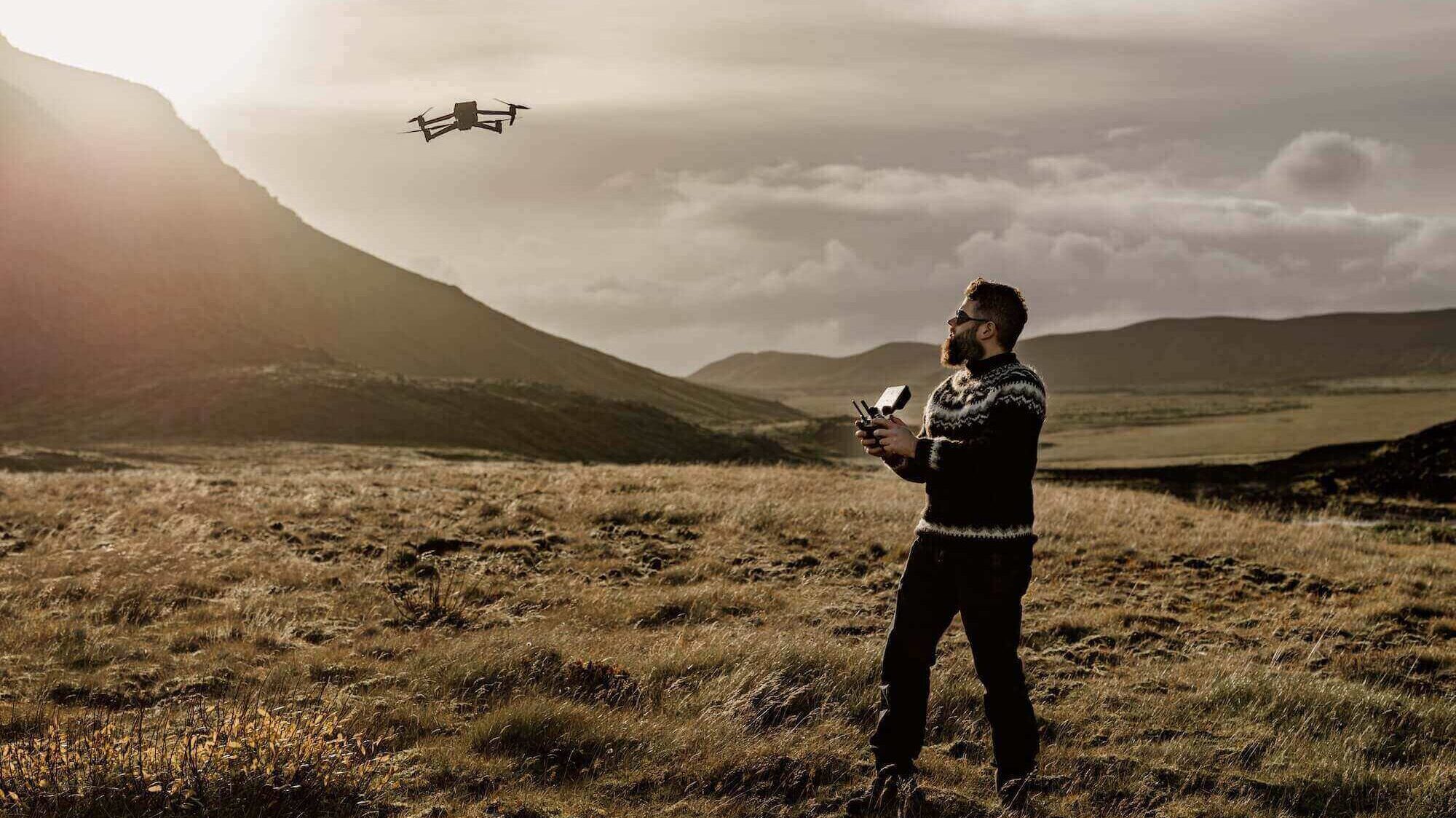
Safety is a fundamental part of drone photography. Before flying, pilots must check local regulations, which may include flight altitude limits, no-fly zones, and registration requirements.
Many countries prohibit drone use near airports, government facilities, or crowded public areas. Understanding these rules protects both the pilot and others in the vicinity.
Ignoring regulations can result in legal consequences or dangerous situations. It is also important to maintain visual line of sight with your drone during flight.
Losing sight increases the risk of collisions with trees, buildings, or power lines. Performing pre-flight checks, such as confirming battery levels, verifying sensor calibration, and ensuring propellers are firmly attached, significantly reduces risk.
These routines form the foundation of safe drone photography. Respecting privacy is equally important. Pilots should avoid flying near private residences or capturing individuals without consent.
Building responsible habits ensures that drone photography remains a safe and respected practice. Good judgment, awareness of surroundings, and adherence to rules create a secure environment for both pilots and spectators.
Drone Photography: Best Locations And Angles For Beginners
Finding the right location is a key part of improving your skills in drone photography.
Open spaces such as parks, beaches, fields, and quiet lakesides are ideal for beginners because they offer room to practice without obstacles. Natural landscapes often provide dramatic results with minimal effort, making them perfect for early experimentation.
Forests, cliffs, rivers, and mountain trails can also produce striking visuals when captured from above. Urban environments present unique opportunities as well.
Geometric building layouts, bridges, plazas, and road networks create visually compelling patterns that work beautifully in drone photography.
Beginners should start with simple angles and gradually experiment with height and direction to discover how different vantage points affect the overall composition.
As you gain confidence, exploring creative angles becomes more exciting. Low-altitude passes, diagonal viewpoints, and rotating shots help add cinematic energy to your images.
Each location offers its own visual character, so practicing regularly in different settings is one of the fastest ways to improve your drone photography technique. Over time, you will develop an eye for identifying locations that translate well into aerial compositions.
See you in the next post,
Anil UZUN