

Shadow details photography is an important part of creating balanced and realistic images. Shadows are not simply dark areas within a photograph.
They often contain valuable texture, color, and detail that contribute to depth and atmosphere. When shadow information is lost, photographs can appear flat and less natural.
Modern cameras provide better dynamic range than ever before, but high contrast scenes still create challenges. Bright highlights and deep shadows often exist within the same frame, requiring careful exposure decisions.
Many photographers focus on preserving highlights while overlooking shadow information. However, maintaining useful detail in darker areas often improves the overall quality of an image.
Successful shadow details photography begins during capture and continues through editing. Camera settings, exposure choices, RAW files, and post processing techniques all influence the final result.
This guide explains why shadow detail matters, how camera settings affect darker areas, how RAW files help recovery, and how editing can reveal information while maintaining a natural appearance.
Why Shadow Details Photography Matters For Better Tone, Depth, And Realism
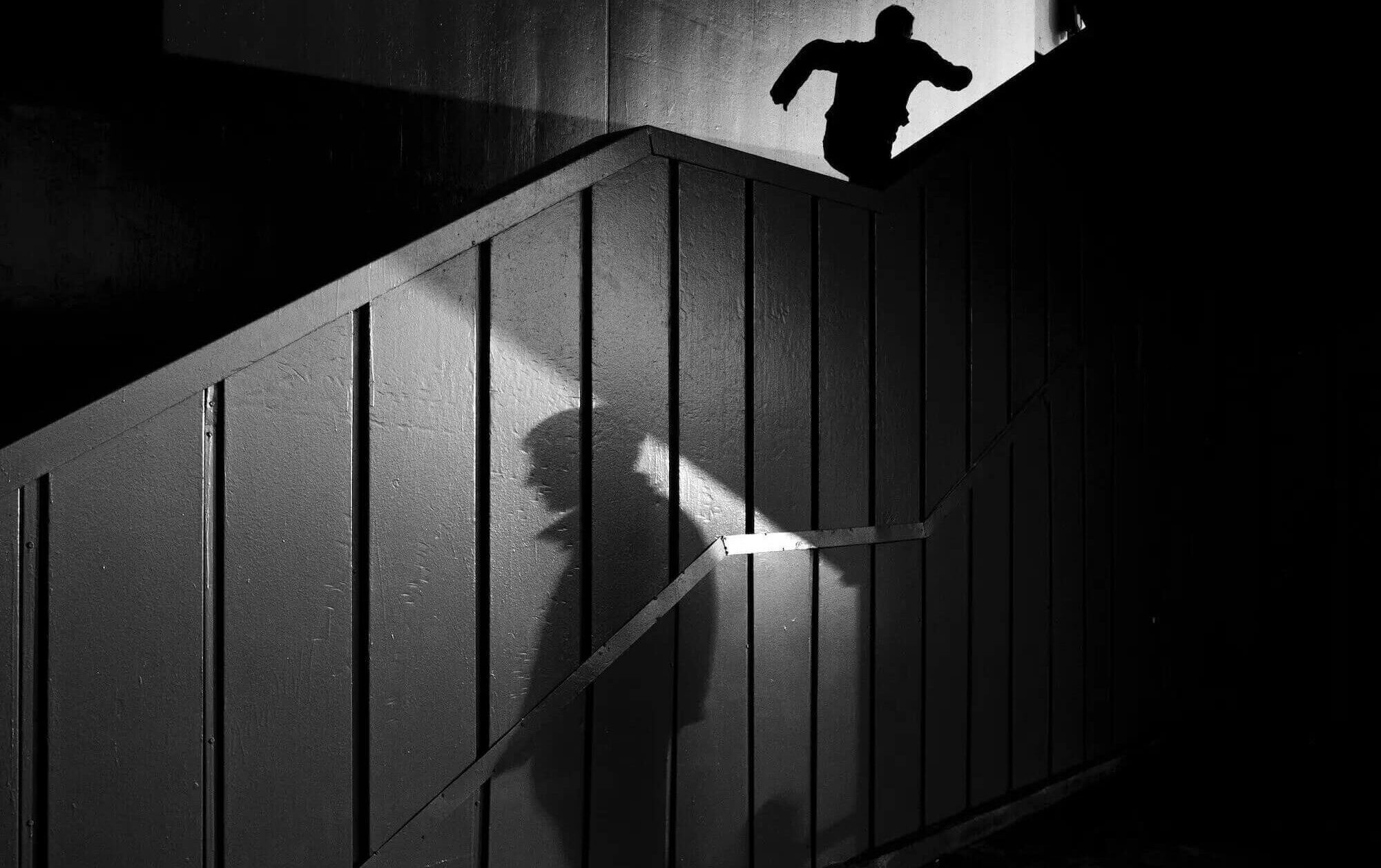
One of the main goals of shadow details photography is creating greater depth within an image. Shadows help define shapes, separate subjects from backgrounds, and add dimension.
Landscape photographers often rely on shadow detail to reveal texture in mountains, forests, and rock formations. Portrait photographers use shadows to shape facial features and create mood.
Preserving shadow information also improves realism. Human eyes can often see detail in both bright and dark areas simultaneously. When photographs lose all shadow information, scenes may appear less natural. Shadows also contribute to storytelling.
They guide attention, create atmosphere, and add visual interest. A photograph with controlled shadows often feels more engaging than one with completely blocked dark areas.
The goal is not to remove shadows but to retain enough information so that darker areas remain visually useful. This balance helps create stronger and more realistic images.
Understanding the role of shadows allows photographers to make better decisions before pressing the shutter.
Shadow Details Photography Settings For Exposure, ISO, And Dynamic Range Control
Camera settings play a major role in shadow details photography. Exposure decisions directly affect how much information remains available in dark areas. Underexposed images often contain limited shadow detail.
When photographers attempt to brighten these areas later, image quality may suffer. Histogram analysis is a useful tool because it helps identify whether important shadow information is being lost.
Checking the histogram during shooting can prevent many exposure problems. ISO settings also influence shadow quality. Higher ISO values increase image noise, which becomes more visible when shadows are brightened during editing.
Using lower ISO values whenever possible generally produces cleaner files with better recovery potential. Tripods can help maintain low ISO settings in challenging lighting conditions. Dynamic range is equally important.
Cameras with wider dynamic range can record more information in both highlights and shadows. Combining accurate exposure with sensible ISO choices provides a stronger foundation for successful shadow details photography.
How To Use RAW Files And Light Reading For Better Shadow Recovery
RAW files are one of the most valuable tools in shadow details photography because they retain far more image information than compressed formats. This additional data allows photographers to recover shadow information more effectively during editing.
Subtle details that might appear lost can often be restored from RAW files. Understanding light is equally important. Before taking a photograph, it helps to evaluate the brightest and darkest parts of the scene.
Side lighting often creates attractive shadows with visible texture, while harsh overhead sunlight can produce extremely dark areas that are harder to recover.
Photographers who learn to read light accurately can make better exposure decisions and reduce the need for aggressive editing later.
Capturing maximum information during the original exposure is usually more effective than trying to fix major problems afterward. A combination of RAW capture and thoughtful light evaluation significantly improves the results of shadow details photography.
Shadow Details Photography Editing Techniques For Cleaner Dark Areas

Post processing allows photographers to enhance shadow details photography by revealing information hidden in darker regions. Shadow adjustment tools are often the first step.
These controls brighten dark areas without dramatically affecting brighter parts of the image. Local adjustments provide greater precision. Instead of brightening the entire photograph, specific regions can be targeted for improvement.
Tone curves are another useful tool because they allow detailed control over shadow brightness while maintaining overall contrast. Noise reduction may become necessary when shadows are significantly brightened.
However, excessive noise reduction can remove important texture and detail. Masking techniques can help isolate specific areas and preserve natural transitions between light and dark regions.
The most effective edits are usually subtle. Small adjustments often produce more realistic results than aggressive corrections. The goal is to reveal detail while maintaining the natural appearance of the original scene.
How To Keep Contrast, Color Balance, And Texture Looking Natural
One of the biggest challenges in shadow details photography is maintaining a natural appearance after adjustments have been made. Excessive editing can reduce image quality and create unrealistic results. Contrast is particularly important.
Brightening shadows too aggressively may remove the tonal separation that gives an image depth and structure. A balanced approach allows shadow details to become visible while preserving enough darkness to maintain dimensionality.
Shadows should support the composition rather than disappear completely. Color balance can also shift when dark areas are adjusted. Some shadow regions may reveal unexpected color casts once brightened.
Careful white balance corrections help maintain accurate colors. Texture preservation is another important consideration. Strong noise reduction can remove grain but may also eliminate fine detail. Finding the right balance is essential.
Selective adjustments often produce more natural results than global corrections. Different parts of an image may require different treatment depending on lighting conditions and subject matter.
A successful shadow details photography workflow focuses on realism rather than maximum brightness. The goal is to reveal hidden information without drawing attention to the editing process itself.
When contrast, color, and texture remain balanced, shadow recovery enhances the photograph rather than distracting from it. This approach results in images that feel more natural, detailed, and visually engaging while preserving the original atmosphere of the scene.
See you in the next post,
Anil UZUN