

Understanding light direction photography is one of the most important steps in creating stronger and more emotional images. Light does more than make a subject visible.
It shapes form, creates shadows, builds depth, controls contrast, and changes the mood of a photograph. The same subject can look soft, dramatic, flat, mysterious, or elegant depending on where the light comes from.
Many beginner photographers focus mostly on camera settings, lens choice, or sharpness. These are important, but light direction often has a bigger effect on the final image.
A well exposed photo can still feel weak if the light does not support the subject or the story. When photographers learn to read light, they begin to see scenes differently.
They notice where shadows fall, how highlights appear, and how the subject separates from the background. Good light direction photography is not about always using perfect light.
It is about understanding what the light is doing and using it with intention. This guide explains how light direction affects mood, composition, shadows, portraits, landscapes, product shots, and common lighting mistakes.
Light Direction Photography And Why It Shapes Mood Composition And Depth
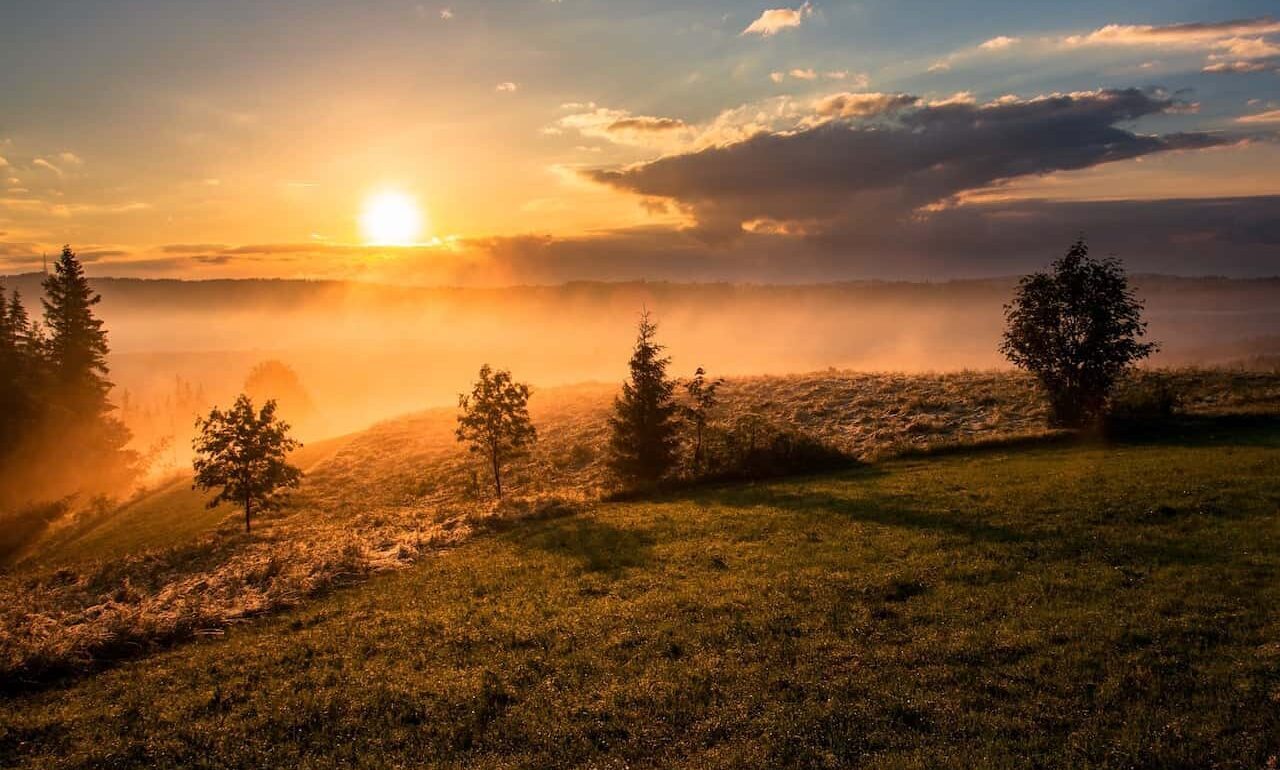
Light direction photography directly affects how viewers experience an image. Light coming from different angles can change the emotional tone, visual balance, and sense of dimension in a scene. Front light usually creates a clean and clear look.
Because the light falls directly on the subject, details are easy to see and shadows are reduced. This can work well for simple portraits, travel photos, and documentary style images.
However, front light can sometimes make an image feel flat because there is less shadow to create depth. Side light creates stronger shape and texture. When light hits a subject from the side, one part becomes bright while the other falls into shadow.
This contrast gives the subject more form and can make the image feel more dramatic. Backlight can create glow, atmosphere, silhouettes, and separation. It is often used during sunrise or sunset when the light is softer and warmer.
Backlight can make a scene feel cinematic, but it requires careful exposure control. Light direction also helps guide attention. Bright areas naturally attract the eye, so placing light on the most important part of the frame can strengthen composition.
Strong light direction photography uses light not only for brightness, but also for storytelling, depth, and visual emotion.
Light Direction Photography Tips For Reading Shadows And Highlights
Reading shadows and highlights is essential for improving light direction photography. Shadows show where the light is coming from, how high or low it is, and whether it is soft or harsh. The first step is to look at the direction of the shadow.
If the shadow falls behind the subject, the light is coming from the front. If the shadow stretches to one side, the light is coming from the opposite side. If the subject is dark while the background is bright, the light may be coming from behind.
Shadow length also gives useful information. Short shadows often appear when the light source is high, such as midday sunlight. Long shadows usually appear when the light is lower, such as early morning or late afternoon.
The edge of the shadow reveals the quality of light. Hard light creates sharp shadow edges. Soft light creates smoother transitions. Cloudy skies, window light, and diffused artificial light usually create softer shadows.
Highlights also matter. Bright reflections on skin, glass, metal, or water can reveal the strength and angle of the light. If highlights are too strong, they may distract from the subject. Before taking a photo, it helps to pause and study the scene.
Small changes in position can completely change how shadows and highlights appear. Better light direction photography begins with observing light before adjusting the camera.
Front Light Side Light And Backlight Differences In Real Scenes
Front light, side light, and backlight each create a different visual result. Understanding these differences helps photographers choose the right approach for each scene. Front light comes from behind the photographer and falls directly onto the subject.
It makes subjects look bright and easy to understand. This type of light is useful when clarity matters, but it can reduce texture and depth. Side light comes from the left or right side of the subject.
It creates visible shadows, stronger contrast, and a more three dimensional look. Side light works especially well for textured surfaces, dramatic portraits, architecture, food, and landscapes.
Backlight comes from behind the subject and faces toward the camera. It can create silhouettes, rim light, glowing edges, and atmospheric haze. This type of light is powerful, but it can also confuse the camera meter.
In real scenes, these light types are often mixed. A portrait may have side light from a window and soft fill light from a wall. A landscape may have backlight from the sun and reflected light from clouds. The goal is not to use only one type of light.
The goal is to recognize what each direction does and decide whether it supports the image. For stronger light direction photography, photographers should move around the subject and compare how the scene changes from different angles.
Light Direction Photography For Portrait Landscape And Product Shots
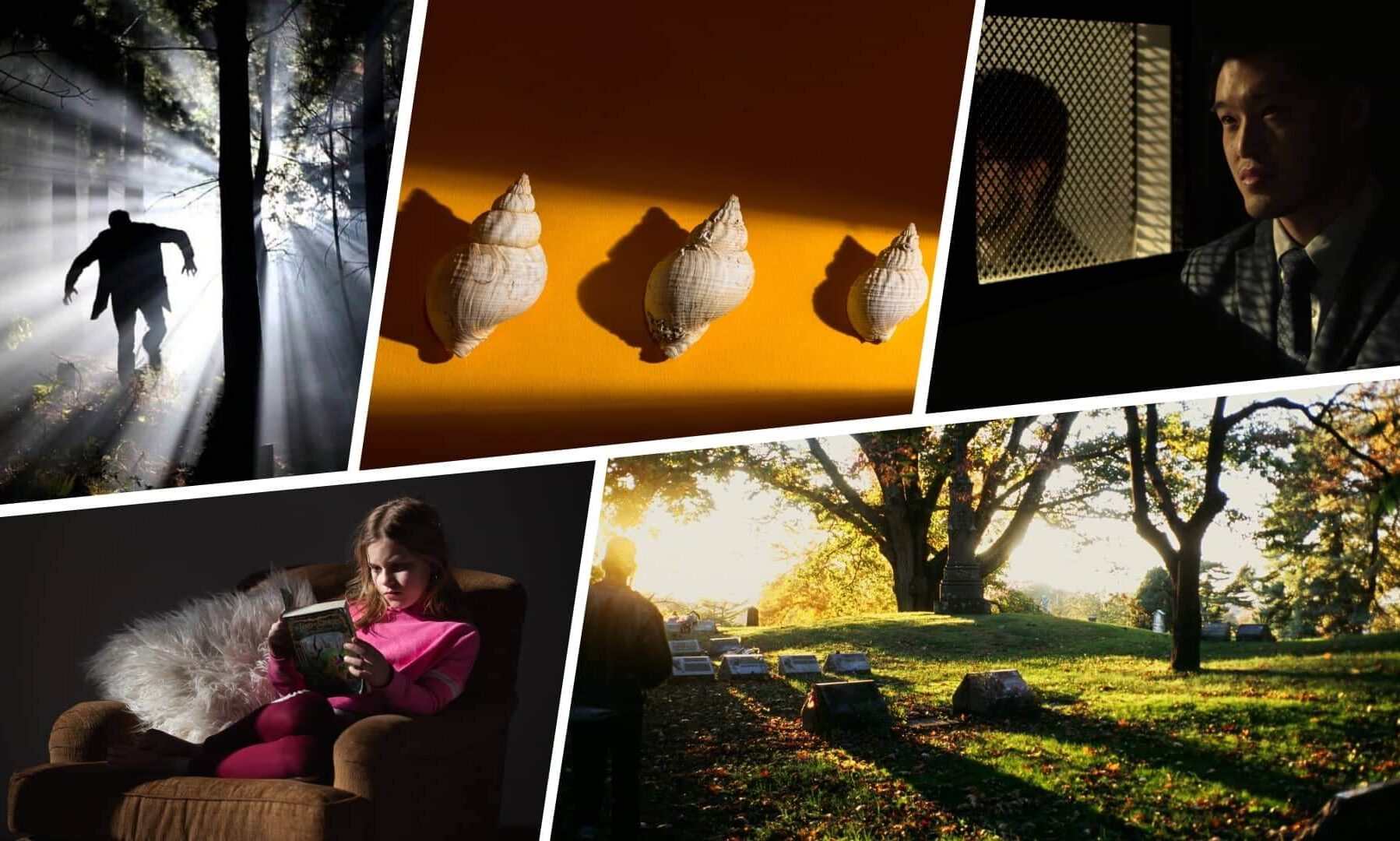
Different photography genres use light direction in different ways. This is why light direction photography is a practical skill, not just a theory. In portrait photography, light direction affects facial shape, skin texture, and mood.
Soft front light can create a gentle and flattering look. Side light can add drama and definition. Backlight can separate the subject from the background and create a warm glow around the hair or shoulders.
In landscape photography, light direction shapes the land. Side light during sunrise or sunset can reveal hills, trees, rocks, and paths more clearly. Midday front light may make the scene look flatter, while backlight can create misty or atmospheric results.
Product photography depends heavily on controlled light direction. Side light can show texture on fabric, wood, food, or handmade items. Front light can make products look clean and simple.
Backlight can work well with transparent objects, drinks, glass, or reflective surfaces. Food photography often benefits from side or back light because it creates shape and makes ingredients look more appealing.
Direct front light may remove the natural texture of the food. Small changes in angle can create major improvements. Moving the subject closer to a window, turning the product slightly, or changing the camera position can improve the result without expensive equipment.
Good light direction photography helps portraits feel emotional, landscapes feel deeper, and products look more professional.
Common Lighting Mistakes And Simple Ways To Improve Your Results
Many lighting problems happen because photographers start shooting before observing the light. The most common mistake is ignoring where the light comes from. Another mistake is treating harsh light as always bad.
Harsh light can be difficult, but it can also create bold shadows, strong contrast, and dramatic mood when used intentionally. Backlight exposure is another frequent issue.
When the background is much brighter than the subject, the camera may underexpose the main subject. Exposure compensation, spot metering, or manual exposure can help. In portraits, strong shadows across the face can become distracting.
Moving the subject, using a reflector, or choosing softer light can create a better result. In product photography, reflections are often a problem. Glossy surfaces can catch unwanted highlights if the light angle is not controlled.
Changing the light position or using diffusion can reduce this issue. Many photographers also forget to move. Taking a few steps left, right, forward, or backward can completely change the light direction and improve the composition.
The simplest way to improve is to study shadows before pressing the shutter. Notice where the bright areas are, where the shadows fall, and whether the light supports the subject.
With regular practice, light direction photography becomes easier to recognize. Once photographers understand how light shapes mood, depth, and composition, they can create stronger and more intentional images in almost any situation.
See you in the next post,
Anil UZUN