

A modern mirrorless camera offers powerful tools that can help photographers create professional quality images in a wide range of situations.
Compact bodies, advanced autofocus systems, electronic viewfinders, and excellent image quality have made mirrorless cameras increasingly popular among both enthusiasts and professionals.
Many photographers now rely on mirrorless systems for portraits, landscapes, travel photography, sports, and commercial work. One major advantage of mirrorless technology is the ability to preview exposure and image settings before taking a photograph.
This allows photographers to make adjustments quickly and improve consistency while shooting. However, professional results come from more than equipment alone.
Understanding autofocus settings, lens choices, exposure control, and low light techniques is essential for maximizing camera performance. Many users never explore all the features available within their camera system.
Learning how to use these tools effectively can improve image quality and increase confidence during shooting. Small technical improvements often produce noticeable differences in final photographs.
Better focus accuracy, cleaner exposure, and stronger composition can significantly elevate image quality. This guide covers practical mirrorless camera techniques for autofocus, lens selection, low light photography, exposure management, and avoiding common mistakes.
Mirrorless Camera Techniques For Better Autofocus And Subject Tracking
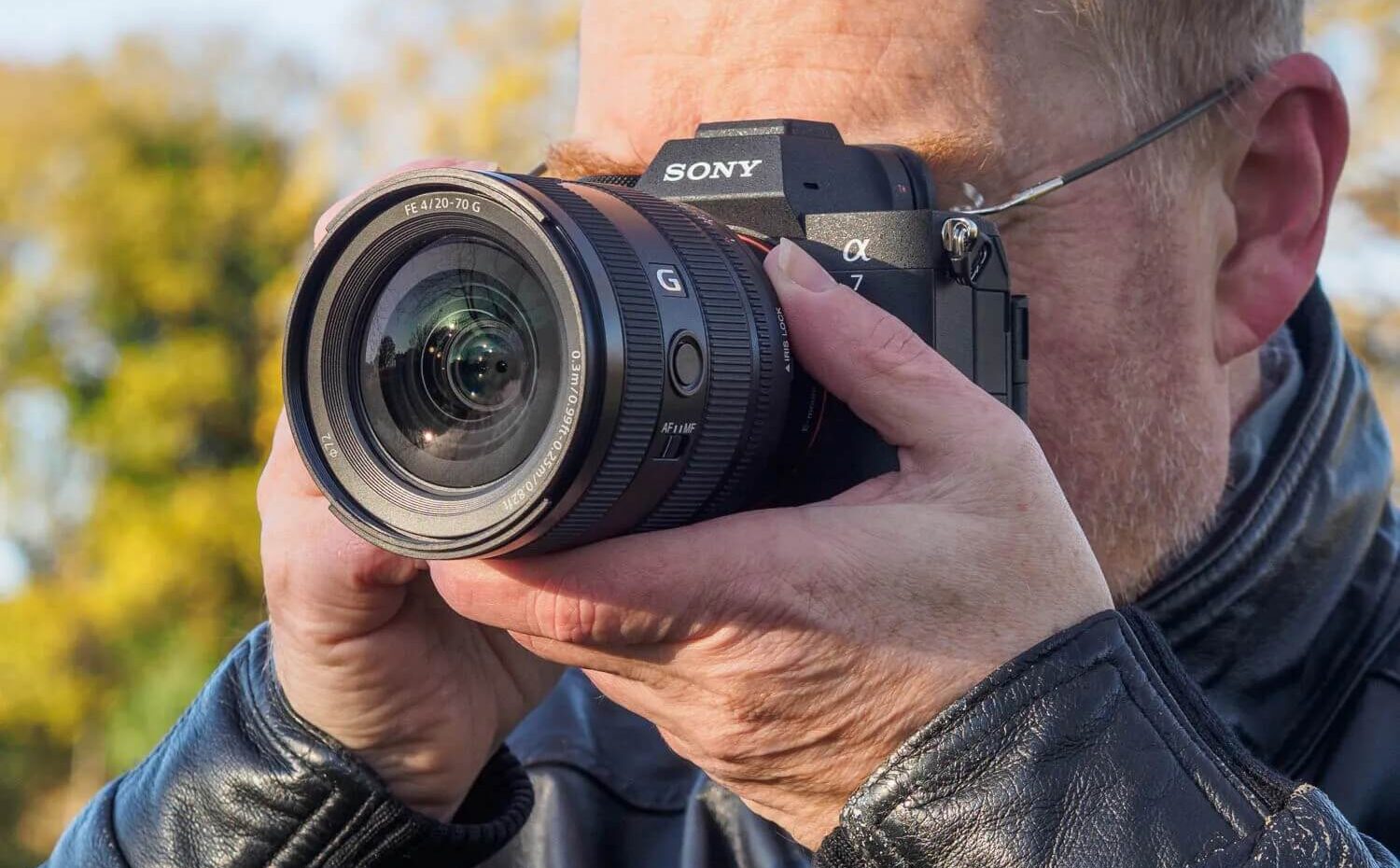
One of the strongest features of a modern mirrorless camera is its autofocus system. Advanced subject detection allows photographers to maintain focus on moving subjects more accurately than many older camera systems.
Eye detection autofocus is particularly useful for portraits. The camera can identify and track a subject’s eyes, helping maintain sharp focus even when the subject moves.
Continuous autofocus modes are valuable when photographing sports, wildlife, events, or street scenes. These settings allow the camera to adjust focus continuously as the subject changes position.
Subject tracking functions can often recognize people, animals, and vehicles. Understanding when to use wide area tracking and when to switch to a more precise focus point can improve consistency.
Lens quality also affects autofocus performance. Lenses with faster focusing systems often respond more quickly in demanding situations.
Photographers should spend time practicing with different focus modes to understand how each behaves in real world conditions.
A properly configured mirrorless camera autofocus system can greatly increase the number of sharp images captured during a shoot.
Mirrorless Camera Techniques With Better Lens Choice Framing And Depth Control
Lens selection is one of the most important factors affecting the performance of a mirrorless camera. Different lenses create different perspectives, levels of subject separation, and compositional possibilities.
Wide angle lenses are commonly used for landscapes, architecture, and travel photography. They allow more of a scene to fit into the frame and can emphasize foreground elements.
Standard lenses provide a natural perspective and work well for general photography. Their versatility makes them popular among photographers who shoot a variety of subjects.
Telephoto lenses help capture distant subjects and create stronger background compression. They are frequently used for wildlife, sports, and portrait photography. Depth of field control is another important consideration.
Wide apertures create stronger background blur, while narrower apertures keep more of the scene in focus. Composition also plays a major role. Leading lines, foreground interest, symmetry, and careful framing can transform ordinary scenes into more engaging photographs.
The electronic viewfinder of a mirrorless camera makes it easier to preview depth of field and composition before taking the shot. Combining the right lens with strong framing decisions can dramatically improve image quality and visual impact.
How To Handle ISO Shutter Speed And Stabilization In Low Light
Low light photography is one area where a mirrorless camera can perform exceptionally well when used correctly. ISO controls sensor sensitivity. Raising ISO can help capture darker scenes but may also increase image noise.
Finding the right balance is important for maintaining image quality. Shutter speed affects both brightness and motion control. Fast shutter speeds freeze movement, while slower speeds allow more light to reach the sensor.
Many modern mirrorless cameras include in body image stabilization. This feature helps reduce camera shake and allows photographers to shoot at slower shutter speeds when subjects remain relatively still.
Lens based stabilization can provide additional support, particularly when using telephoto lenses. Tripods remain useful for landscapes, architecture, and night photography. They allow lower ISO settings and maximize image quality in difficult lighting conditions.
Understanding how ISO, shutter speed, and stabilization work together helps photographers produce cleaner images and more reliable results.
A well configured mirrorless camera can handle challenging lighting situations far more effectively than many photographers initially expect.
Mirrorless Camera Settings For Cleaner Exposure And More Balanced Shots
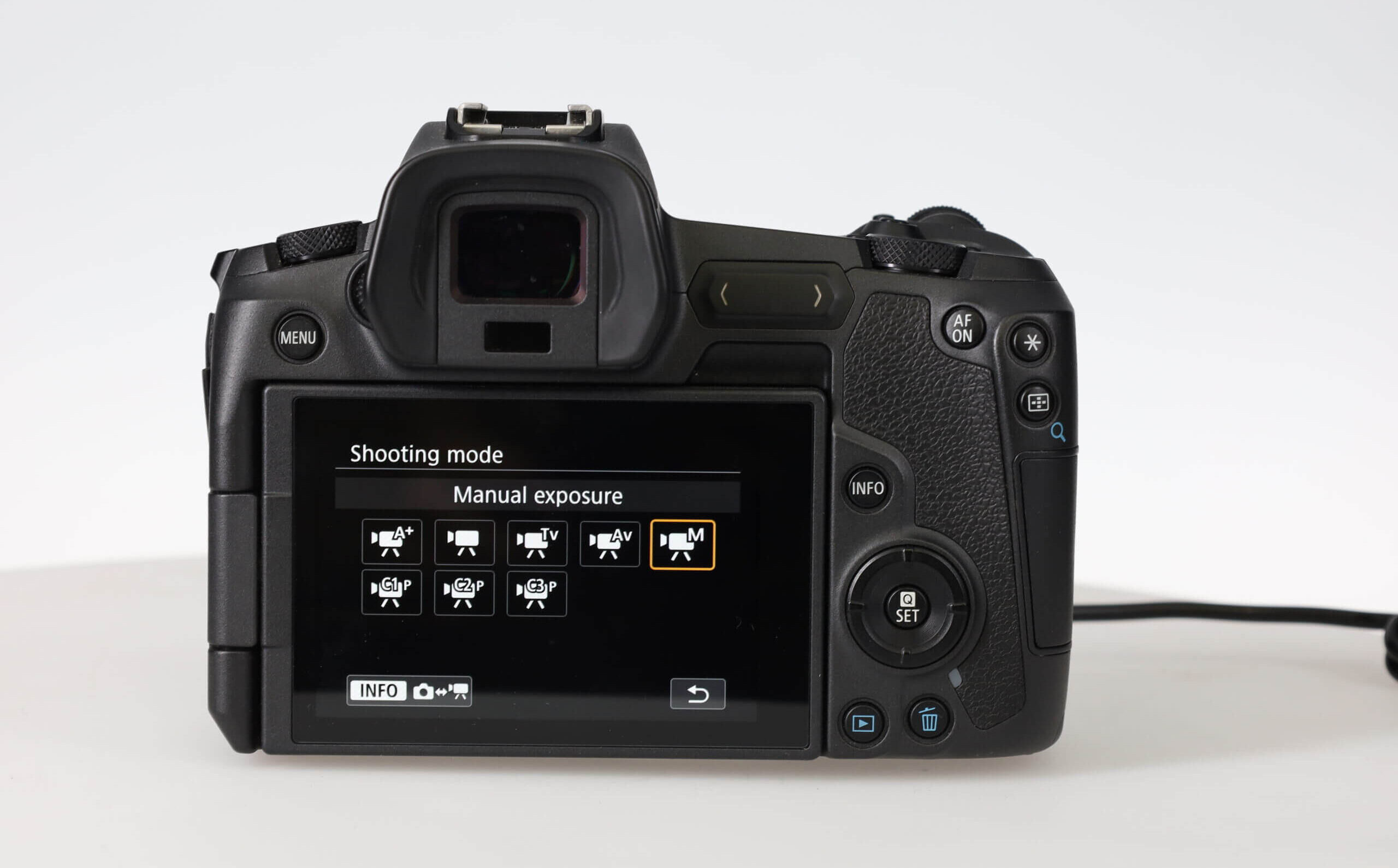
Exposure management is one of the most important technical skills for any mirrorless camera user. Proper exposure helps preserve detail, maintain accurate colors, and improve overall image quality.
The exposure triangle consists of aperture, shutter speed, and ISO. Understanding how these settings interact gives photographers greater creative control. One advantage of mirrorless systems is the real time preview available through electronic viewfinders.
Photographers can see exposure changes immediately and make corrections before capturing the image. Histograms provide additional support by displaying tonal distribution. They help identify lost detail in highlights or shadows.
Exposure compensation is useful when shooting in automatic or semi automatic modes. Small adjustments can help correct situations where the camera’s meter misinterprets the scene. RAW capture offers more flexibility during editing.
Additional image data can help recover highlights and shadows more effectively than compressed file formats. Consistent exposure habits allow photographers to take full advantage of their mirrorless camera and produce more predictable results.
Mirrorless Cameras Techniques For Avoiding Common Mistakes And Getting Better Results
Even experienced photographers can develop habits that limit image quality. Avoiding common mistakes is an important part of improving mirrorless camera performance. One common issue is relying entirely on automatic settings.
Learning aperture priority, shutter priority, and manual controls provides greater flexibility and creative control. Using unnecessarily high ISO values can introduce avoidable image noise.
Evaluating available light and stabilization options often produces better results. Incorrect autofocus settings may also reduce sharpness. Choosing the appropriate focus mode for the subject is essential.
Composition mistakes remain another frequent challenge. Technical perfection alone rarely creates strong photographs. Paying attention to framing and subject placement often has a greater impact than camera settings.
Many photographers neglect to review their images critically. Studying successful and unsuccessful photographs helps identify opportunities for improvement. Regular practice remains one of the most effective ways to improve photography skills.
The more experience photographers gain with their equipment, the more naturally technical decisions become. A modern mirrorless camera provides exceptional capabilities, but achieving professional results depends on understanding those tools and applying them consistently.
With better autofocus control, thoughtful lens selection, strong exposure habits, and ongoing practice, photographers can create cleaner, sharper, and more professional images across many different shooting situations.
See you in the next post,
Anil UZUN