

Strong photography results are rarely created by camera quality alone. Good photo shoot planning helps photographers build a clear concept, choose the right location, prepare equipment, understand the light, and manage the session with more confidence.
Whether the shoot is for portraits, products, fashion, social media, travel, or brand content, preparation directly affects the quality and consistency of the final images. Without planning, small problems can quickly interrupt the creative flow.
The light may be too harsh, the location may be crowded, the battery may run low, or the wrong lens may be packed. Planning does not limit creativity.
It gives the photographer more control so they can focus on mood, framing, expression, timing, and storytelling.
This guide explains how photo shoot planning can improve concept development, lighting, gear preparation, composition, shot lists, time management, and session organization.
Photo Shoot Planning Helps You Build A Clear Concept Location And Mood
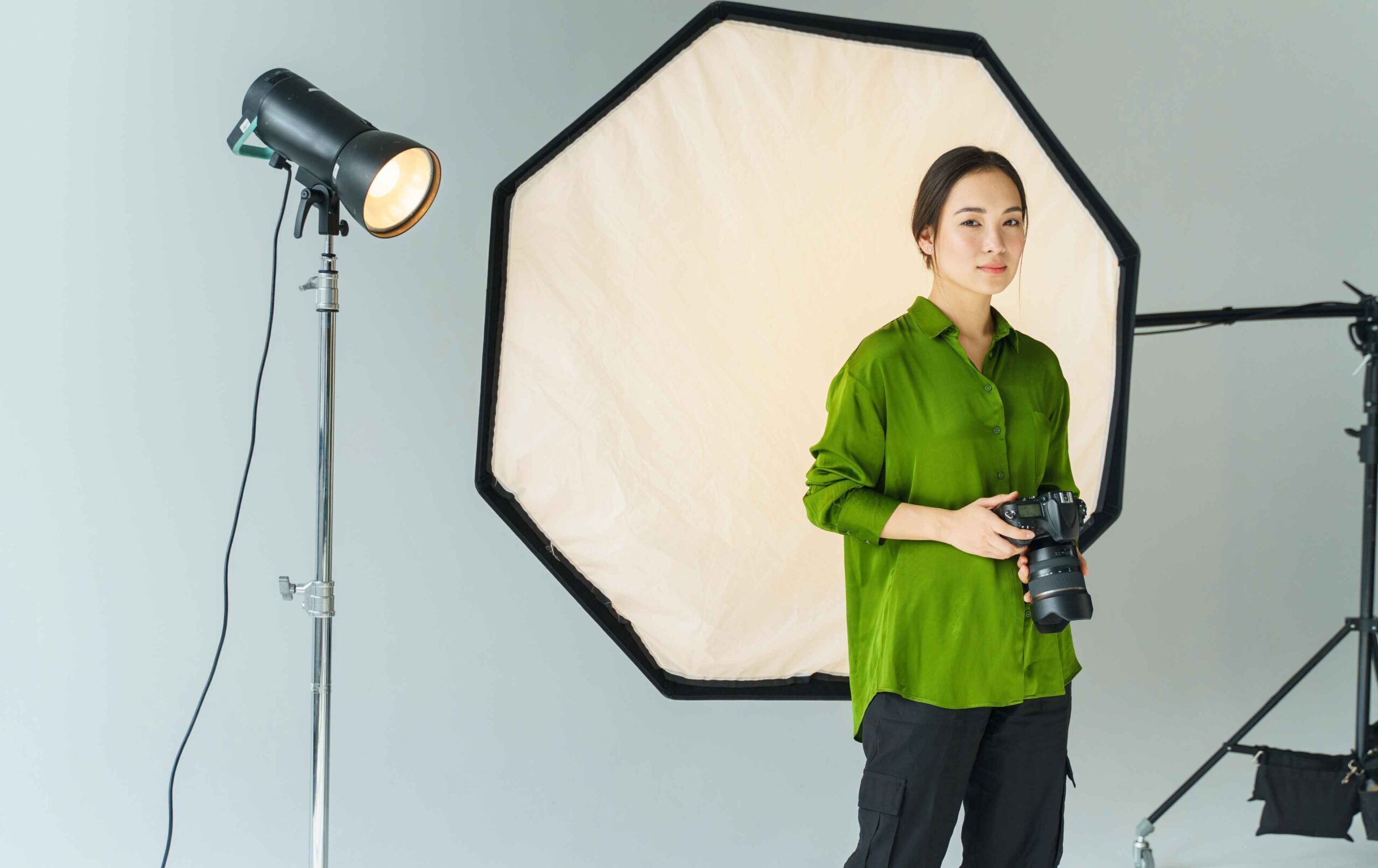
Good photo shoot planning starts with a clear concept. Before choosing a lens or setting up the camera, the photographer should understand the purpose of the session.
A portrait shoot, product shoot, fashion session, or brand campaign will each need a different visual approach. The concept defines the mood of the images. A session may feel natural, dramatic, elegant, minimal, playful, cinematic, or professional.
Once the mood is clear, decisions about location, lighting, clothing, props, colors, and composition become easier. Location is also important. A studio can create a clean and controlled look. A street location can add movement and personality.
A natural setting can create softness, space, and atmosphere. Before the session, the location should be checked for light direction, background quality, access, crowds, weather risks, and possible permissions.
Mood boards can also help. A few reference images can make the visual direction clearer for the photographer, client, model, or team. With a clear concept and location plan, photo shoot planning creates a stronger creative foundation.
Photo Shoot Planning For Choosing Light Timing And The Right Shooting Angle
Light can completely change the result of a session. This is why photo shoot planning should always include timing and light decisions. The same location can look soft in the morning, harsh at noon, and dramatic near sunset.
For outdoor sessions, early morning and late afternoon often provide softer light. This can work well for portraits, lifestyle photography, travel images, and natural scenes. Midday light can be stronger and may create hard shadows.
If shooting during this time is necessary, shaded areas, reflectors, diffusers, or careful positioning can help control contrast. Backlight can create glow and separation. Side light can reveal texture and shape.
Front light can look clean, but it may reduce depth if used without care. Shooting angle also matters. A low angle can make the subject feel stronger or more dynamic. A higher angle can create a softer or more graphic look. Eye level often feels natural and direct.
Testing a few angles before the main session begins can reveal better backgrounds, cleaner lines, and more flattering light. Careful light and angle choices make photo shoot planning more effective and help create stronger visual results.
How To Prepare Gear Lenses Camera Settings And Backup Equipment
Gear preparation is one of the most practical parts of a successful shoot. Many common problems can be avoided by checking equipment before leaving for the location.
The camera body should be tested, batteries should be fully charged, and memory cards should have enough space. Backup batteries and extra cards are especially important for long sessions or professional work.
Lens choice should match the shoot type. Portrait photography may need lenses that create natural proportions and soft backgrounds. Product photography may require sharper detail. Landscape or architecture sessions may benefit from wider lenses.
It is not always necessary to bring every lens. Too much equipment can slow the session down. However, bringing only one lens without thinking about the scene can limit creative options.
Camera settings should also be checked in advance. ISO, shutter speed, aperture, white balance, focus mode, and file format should match the shooting conditions. Shooting in RAW can provide more flexibility during editing, but it needs more storage space.
Autofocus mode should also be selected carefully. Single point focus works well for still subjects, while continuous focus can help with movement. A complete gear check is a simple but powerful part of photo shoot planning.
Photo Shoot Planning With Better Composition Shot Lists And Time Management

Strong composition becomes easier when the photographer prepares ideas before the session. Photo shoot planning helps create structure without making the shoot feel too rigid.
A shot list is one of the most useful tools. It can include must have images, backup angles, detail shots, wide shots, close ups, vertical frames, horizontal frames, and creative variations.
For a portrait shoot, the list may include headshots, half body portraits, full body images, seated poses, and environmental portraits. For a product shoot, it may include clean product photos, lifestyle scenes, texture details, packaging shots, and usage images.
Composition ideas can also be planned in advance. The photographer can think about symmetry, leading lines, negative space, foreground elements, background separation, color harmony, and framing.
Time management is equally important. A session should include time for setup, test shots, main shots, breaks, outfit changes, location changes, and backup images. A schedule that is too tight can make the session feel rushed.
A flexible plan gives the photographer space to adjust while still staying organized. With better shot lists and timing, photo shoot planning helps the session run more smoothly.
Common Preparation Mistakes And Practical Ways To Keep The Session Organized
Many photography problems happen because preparation is left until the last moment. One common mistake is checking batteries, memory cards, or lenses only when the shoot is about to begin.
Another mistake is arriving late to the location. Arriving early gives the photographer time to study the light, set up equipment, take test shots, and adjust the plan if needed. Ignoring the background is also a frequent issue.
A subject may look good, but messy signs, bright objects, harsh shadows, or unwanted people in the background can weaken the photo. Poor communication can also create confusion.
If the model, client, stylist, or assistant does not understand the concept, the session may lose direction. Sharing the mood, schedule, outfit ideas, and goals before the shoot can prevent this.
Outdoor shoots should also have backup plans for rain, strong wind, crowds, or access problems. A simple checklist can keep everything organized.
It may include camera body, lenses, batteries, memory cards, lighting gear, reflectors, props, clothing notes, permits, water, snacks, and cleaning cloths. In the end, photo shoot planning helps photographers work with less stress and more creative focus.
When the concept, location, light, gear, composition, and schedule are prepared in advance, the session becomes smoother and the final images look more consistent and professional.
See you in the next post,
Anil UZUN