

Creating strong composition is not only about sharpness, color, or subject choice. Perspective depth photography helps a two dimensional image feel more spacious, layered, and visually engaging.
When depth is used well, viewers can move through the frame naturally, from the foreground to the background, instead of seeing the photo as a flat surface. This makes the image feel more immersive and intentional.
Depth is especially important in landscape, street, travel, architecture, and environmental portrait photography. A road leading into the distance, a person framed by foreground objects, or mountains fading in the background can all create a stronger sense of place.
Many photos feel weak because all visual elements appear on the same plane. By using lens choice, camera angle, framing, light, color, and contrast more carefully, photographers can create images with stronger dimension.
Good perspective depth photography does not require complicated equipment. It requires learning how to arrange visual layers and guide the viewer’s eye through the frame.
This guide explains the basics of depth, lens and angle choices, foreground and background use, light control, and common composition mistakes to avoid.
Perspective Depth Photography Basics And How It Strengthens Visual Impact
Perspective depth photography is the practice of creating a sense of distance and dimension inside a flat image. Since a photograph is two dimensional, the photographer must use visual cues to suggest space.
Depth helps viewers understand the relationship between objects in a scene. A strong foreground element, a clear subject in the middle ground, and a distant background can make the image feel more complete.
Without depth, a photo may look flat even if the subject is interesting. When elements overlap without separation, the viewer may not know where to look first. Leading lines are one of the easiest ways to create depth.
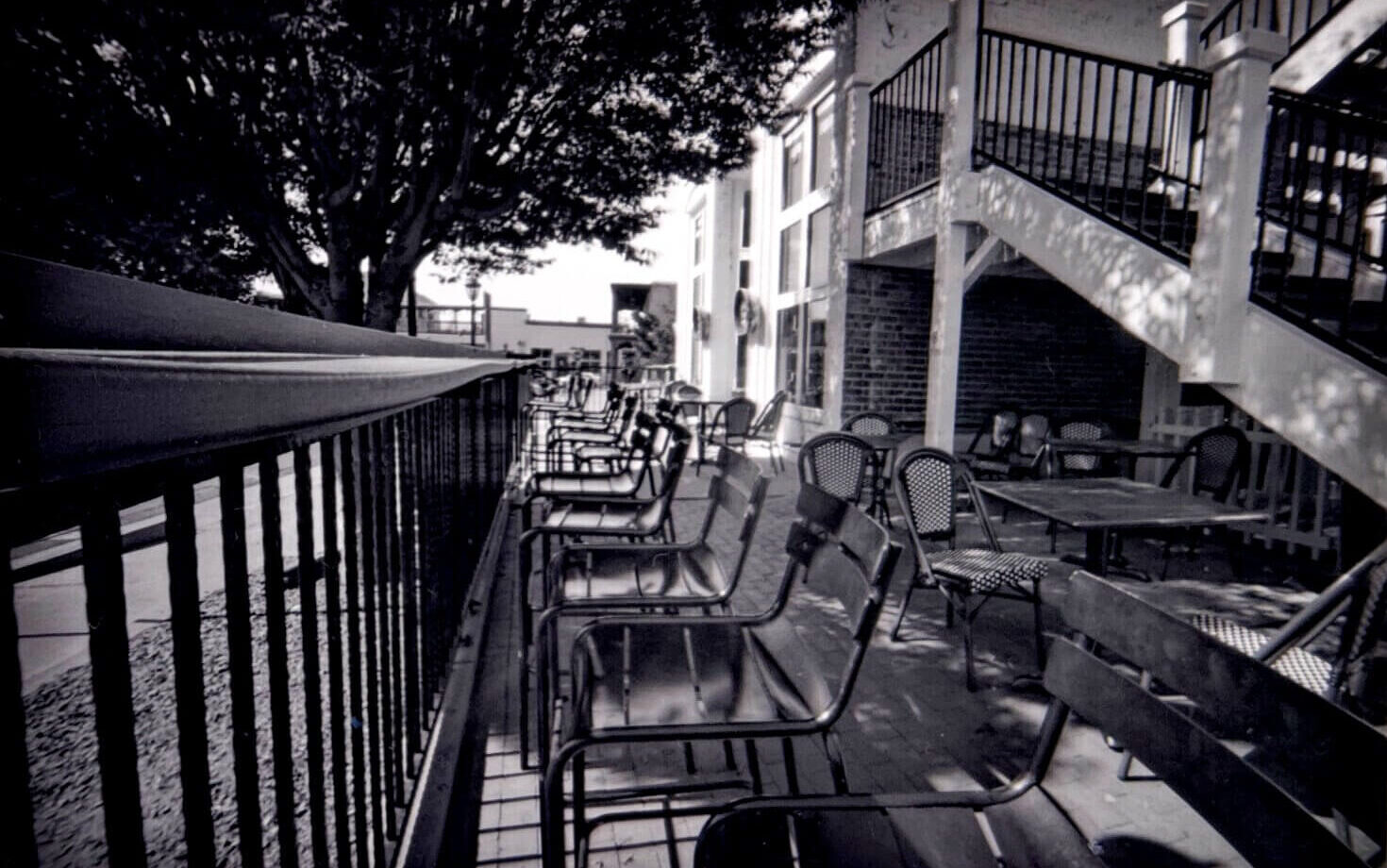
Roads, paths, bridges, rivers, fences, stairs, and building lines can guide the eye toward the background. Size relationships also matter. Objects closer to the camera appear larger, while distant objects appear smaller.
This natural change in scale helps create a sense of distance. Atmosphere can also support depth. Fog, haze, shadows, and softer distant colors can make background elements feel farther away.
Strong perspective depth photography makes the viewer feel as if they can enter the scene. This improves visual impact and gives the composition a stronger sense of direction.
Perspective Depth Photography With Better Lens Angle And Framing Choices
Lens choice has a major effect on perspective depth photography. Different focal lengths change how space appears in the frame and how close or distant objects feel. Wide angle lenses are commonly used when photographers want to exaggerate depth.
They make nearby objects appear larger and distant objects appear farther away. This can be very effective in landscapes, architecture, interiors, and travel photography. However, wide angle lenses need a strong foreground.
Without an interesting object close to the camera, the frame may feel empty or stretched. Standard lenses create a more natural perspective. They are useful for everyday scenes, street photography, and environmental portraits because they do not exaggerate space too much.
Telephoto lenses compress distance. This means background elements appear closer to the subject. While this can reduce classic depth, it can create beautiful layered effects in mountains, city streets, and misty landscapes.
Camera angle is just as important as lens choice. Shooting from a lower angle can make foreground elements stronger and pull the viewer into the scene. Framing also shapes depth.
Doorways, windows, trees, arches, and shadows can create natural frames that add another layer to the image. Better perspective depth photography comes from testing different positions before taking the final shot. A small change in angle can completely change the sense of space.
Using Foreground Middle Ground And Background For More Layered Photos
Layering is one of the most effective ways to create depth. A strong photo often includes a foreground, middle ground, and background that work together. The foreground is the viewer’s entry point.
It might be a rock, flower, table detail, fence, shadow, person, or architectural shape. A good foreground element should support the image rather than distract from it. The middle ground usually contains the main subject.
This may be a person, building, tree, street scene, or important object. The middle ground gives the image its main meaning. The background provides context and atmosphere.
Mountains, sky, city lights, distant buildings, water, or trees can help complete the visual story. When these three layers are clearly arranged, the viewer’s eye moves through the image more naturally. The photo feels more dimensional and less static.
In portrait photography, foreground blur can create a cinematic effect. Leaves, curtains, glass, or lights placed near the camera can add depth while keeping attention on the subject.
In landscape photography, a foreground rock, middle ground lake, and background mountains can create a classic but powerful layered structure. Good perspective depth photography depends on making every layer useful.
Extra objects should not be included only to fill space. Each layer should help guide attention or strengthen atmosphere.
Perspective Depth Photography Tips For Light Color And Contrast Control
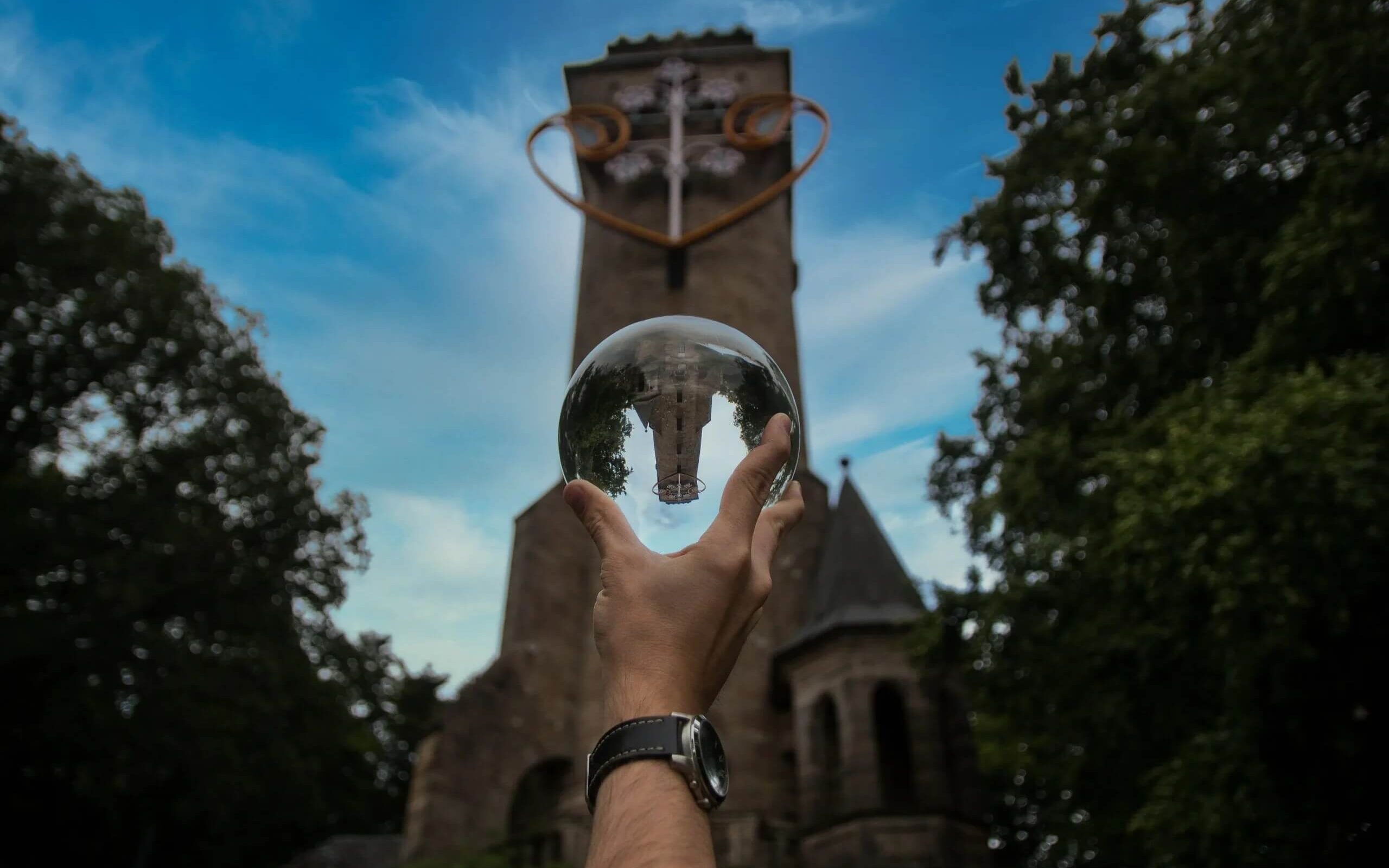
Light, color, and contrast can greatly improve perspective depth photography. Even a well framed scene may look flat if the light does not separate the layers. Side light is especially useful because it creates shadows and highlights that reveal shape.
When light comes from the side, textures, surfaces, and forms become more visible. Front light can make a scene look clear, but it may reduce depth because shadows become weaker.
This type of light is useful for detail, but not always ideal for strong dimension. Backlight can create atmosphere and separation. It can outline subjects, create silhouettes, or add glow to the background. This works well in sunrise and sunset conditions.
Color also affects depth. Warm colors often feel closer, while cooler and softer colors can feel farther away. In landscapes, distant mountains may appear blue or faded, which naturally supports depth. Contrast can guide attention.
A high contrast foreground can pull the viewer into the scene, while a softer background can suggest distance. However, editing should be controlled. Too much saturation, clarity, or contrast can make all layers compete with each other and reduce natural depth.
Strong perspective depth photography uses light and color to separate visual planes. This helps the image feel more realistic, balanced, and atmospheric.
Common Composition Mistakes And Practical Ways To Create Stronger Depth
Many photographers struggle with depth because they focus only on the main subject. Strong perspective depth photography requires attention to the entire frame. One common mistake is ignoring the foreground.
A landscape without foreground interest can feel empty, even if the background is beautiful. Adding a simple foreground element can create a stronger entry point. Another mistake is placing the subject against a cluttered background.
When the subject blends into the background, depth and clarity are reduced. Changing position or using a wider aperture can help separate the subject. Overcrowding the frame is also a problem. Including too many objects can make the image confusing.
A cleaner composition with clear layers often works better. Using the wrong lens can weaken depth. A wide angle lens without foreground interest may feel empty, while a telephoto lens may compress distance more than intended.
Flat light can also reduce dimension. Shooting during early morning, late afternoon, or using side light can create stronger shadows and depth. A practical habit is to ask three questions before shooting.
What is in the foreground? What is the main subject? What does the background add? Moving around the scene is another simple but powerful method. A few steps left, right, forward, or lower can reveal stronger lines and better separation.
With regular practice, perspective depth photography becomes easier to recognize. By using layers, thoughtful framing, suitable light, and stronger composition habits, photographers can create images that feel deeper, more professional, and more visually compelling.
See you in the next post,
Anil UZUN