

A good landscape photography lens can dramatically influence the quality and impact of your images. While camera bodies often receive most of the attention, the lens determines how much of a scene is captured, how perspective appears, and how details are rendered.
For landscape photographers, choosing the right lens is one of the most important creative decisions. Landscape photography includes mountains, coastlines, forests, lakes, deserts, and city skylines.
Each environment presents different visual opportunities and challenges. Because of this, there is no single landscape photography lens that works perfectly for every scene. Many photographers immediately think of wide angle lenses when discussing landscapes.
Although wide lenses are extremely popular, standard and telephoto lenses can also create impressive results. Different focal lengths provide different storytelling possibilities.
A successful lens choice should balance focal length, image quality, portability, and shooting style. Understanding how each lens type affects composition helps photographers make better decisions in the field.
This guide explains how framing changes with focal length, compares common lens types, explores focal length choices for different environments, discusses important optical characteristics, and shows how supporting equipment can improve results.
Landscape Photography Lens Choices And How They Change Framing And Perspective
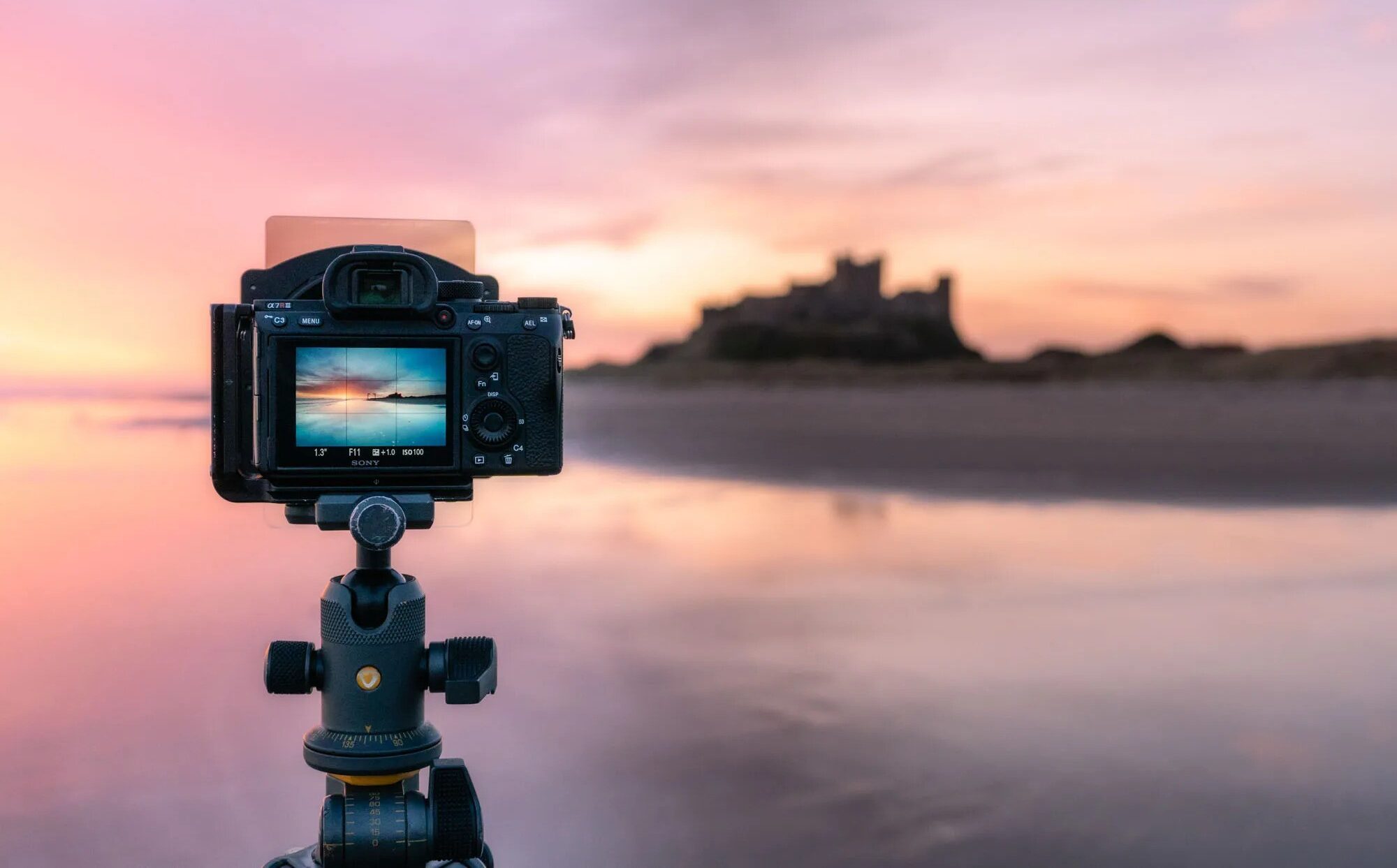
The choice of a landscape photography lens directly affects framing and perspective. Even when standing in the same location, changing lenses can create completely different images.
Wide angle lenses capture more of the environment and emphasize depth. Foreground objects appear larger while distant subjects seem farther away. This effect is useful when photographers want to create a strong sense of scale.
Standard lenses offer a more natural perspective. They often produce balanced images that resemble how people see a scene with their own eyes. Telephoto lenses create compression.
Distant mountains, hills, and landscape layers appear closer together, producing dramatic visual relationships. A well selected landscape photography lens helps direct attention within the frame.
Wide lenses encourage viewers to explore the entire image, while telephoto lenses focus attention on specific details. Different perspectives can completely change the mood of a photograph.
Learning how focal length influences visual storytelling allows photographers to create stronger compositions. Rather than automatically choosing the widest lens available, photographers should select the perspective that best supports their creative goal.
Landscape Photography Lens Types Compared With Wide Angle, Standard, And Telephoto Use
Understanding lens categories is important when choosing a landscape photography lens. Wide angle lenses are the most commonly used option for landscapes.
They make it possible to include expansive views, dramatic skies, and strong foreground elements within a single frame. Standard lenses provide a more realistic perspective.
They work particularly well when photographers want a balanced composition without exaggerated perspective effects. Telephoto lenses are often underestimated. They allow photographers to isolate distant features and simplify complex scenes.
A telephoto landscape photography lens can highlight mountain peaks, layers of fog, or interesting light patterns. Each category serves a different purpose.
Wide angles emphasize space, standard lenses provide balance, and telephoto lenses create visual compression.
Many experienced photographers carry more than one lens because a single location may benefit from several different perspectives. Understanding the strengths of each lens type helps photographers choose the right tool for every scene.
Which Focal Length Works Best In Mountains, Coastlines, Forests, And Open Views
Different environments often benefit from different focal lengths. Selecting the appropriate landscape photography lens depends on the subject and the story being told.
Mountain photography frequently works well with both wide and telephoto lenses. Wide angles capture dramatic foregrounds and expansive views, while telephoto lenses emphasize distant ridges and atmospheric layers.
Coastal scenes often benefit from wider focal lengths because they allow photographers to include beaches, rocks, waves, and sky in a single composition. Forests can be more challenging.
Dense trees may create cluttered images when photographed too wide. In these situations, a telephoto landscape photography lens can isolate patterns, textures, and shafts of light. Open landscapes provide flexibility.
Depending on the composition, both wide and longer focal lengths can work effectively. Sunrise and sunset photography may also influence focal length choices.
Wide lenses emphasize colorful skies, while telephoto lenses can create more dramatic relationships between the sun and the landscape. Experimenting with multiple focal lengths often reveals creative opportunities that may not be obvious at first glance.
Landscape Photography Lens Features That Matter Most For Sharpness, Aperture, And Distortion
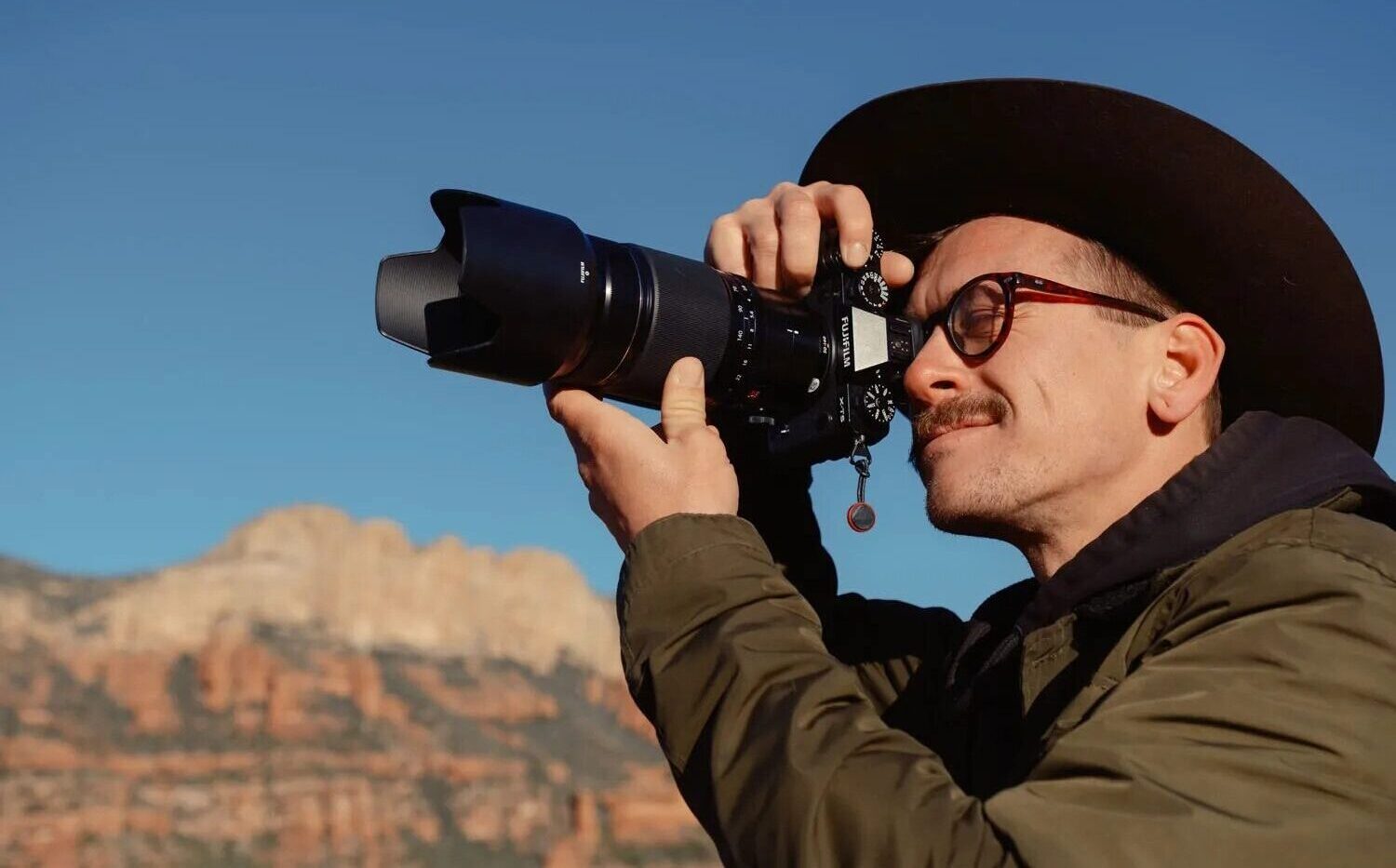
Image quality is a key factor when selecting a landscape photography lens. While focal length influences composition, optical performance influences detail and clarity. Sharpness is usually a major priority.
Fine textures in rocks, trees, clouds, and distant terrain should remain clear throughout the image. Corner sharpness is especially important for landscapes because details often extend across the entire frame.
Some lenses perform well in the center but lose quality near the edges. Aperture performance also deserves attention.
Even though landscape photographers commonly use narrower apertures, understanding how a lens performs across different settings can be valuable. Distortion is another consideration.
Wide angle lenses may bend straight lines or create perspective exaggeration. High quality lenses generally control these effects more effectively.
Chromatic aberration and flare resistance can also affect image quality, particularly in high contrast scenes and sunrise or sunset conditions.
A durable landscape photography lens with strong optical performance can remain useful for many years and provide consistent results in a variety of environments.
How To Get Better Results With Filters, Tripods, And Stronger Composition
Even the best landscape photography lens performs better when paired with good technique and supporting equipment.
Tripods help maximize sharpness and allow the use of longer shutter speeds. They are especially valuable during sunrise, sunset, and low light conditions.
Filters expand creative possibilities. Polarizing filters reduce reflections and increase color saturation, while neutral density filters allow longer exposures that create smooth water and cloud movement.
Composition remains one of the most important elements of landscape photography. Leading lines, foreground interest, and balanced framing often have a greater impact than equipment alone.
A landscape photography lens captures whatever is placed in front of it, so careful positioning is essential. Small adjustments in camera height or shooting angle can significantly improve a composition.
Light quality also plays a major role. Early morning and late evening light often provides better color, softer shadows, and more depth than harsh midday conditions.
When strong composition, good light, proper support equipment, and a suitable landscape photography lens work together, photographers can consistently create more compelling scenic images.
See you in the next post,
Anil UZUN