

Understanding Exposure settings is one of the most important parts of photography, especially in difficult lighting conditions. High contrast scenes contain both very bright and very dark areas in the same frame, which makes exposure control more challenging.
Without proper balance, skies may become overexposed or shadows may lose important detail. Because of this, learning how to manage Exposure settings correctly can improve image quality significantly.
High contrast conditions appear often in photography. Sunsets, bright midday light, backlit portraits, and city scenes at night all require careful exposure handling.
Human eyes adapt to these situations naturally, but cameras need guidance to capture balanced detail. Many beginners focus only on brightness, but proper exposure involves much more than that.
Histogram reading, highlight control, dynamic range management, and RAW shooting all affect the final image. Strong Exposure settings help preserve detail while keeping the photograph natural and visually balanced.
Modern cameras include tools that help photographers improve exposure accuracy, but understanding how these tools work is essential. Automatic modes may struggle when scenes contain extreme contrast between highlights and shadows.
High contrast scenes can also create dramatic and cinematic results when handled correctly. Strong differences between light and dark often add depth and atmosphere to photographs.
This guide explains how Exposure settings work in difficult lighting, how histograms and exposure compensation improve control, how RAW and dynamic range recovery help preserve detail, how shutter speed aperture and ISO work together, and which common mistakes photographers should avoid.
Exposure Settings Explained Reading Light In High Contrast Scenes
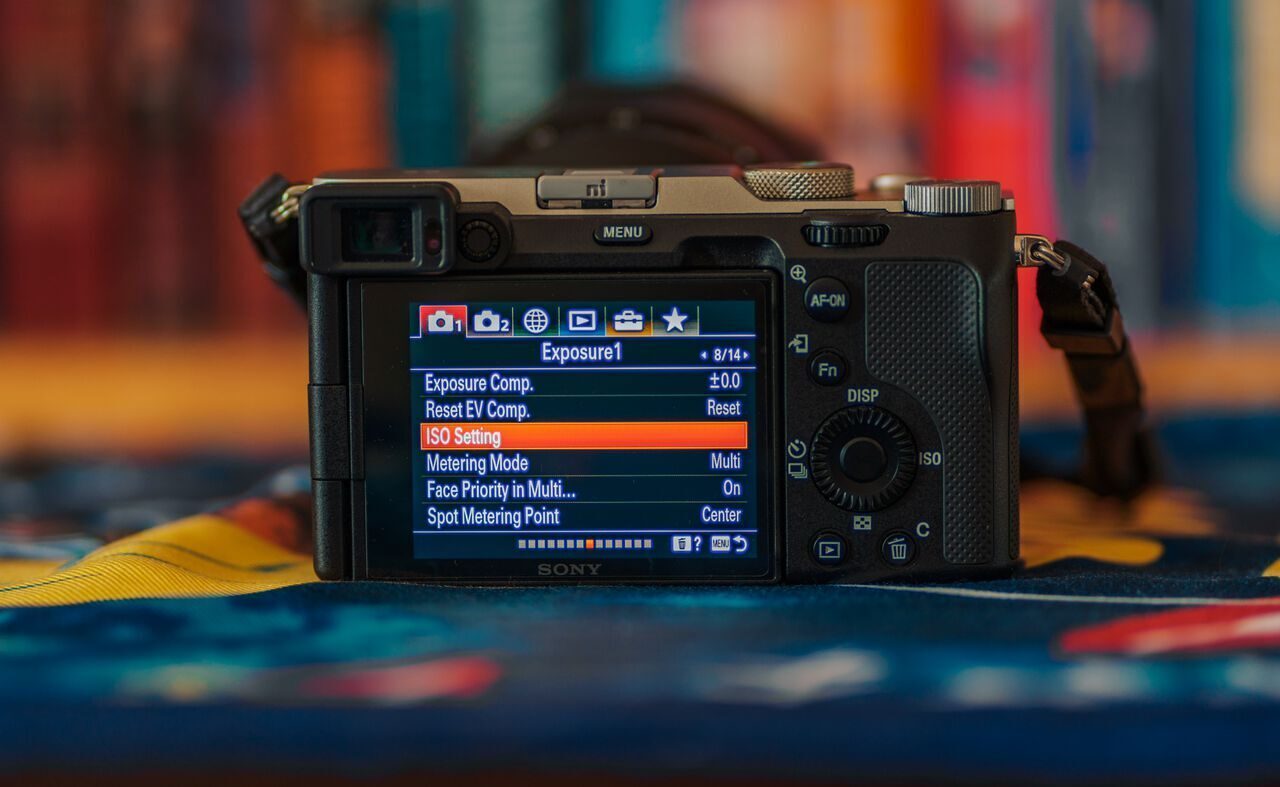
Exposure settings control how much light reaches the camera sensor. In high contrast situations, this becomes especially important because cameras must balance bright and dark areas at the same time.
Reading light correctly is the foundation of balanced exposure. Some areas may appear extremely bright while others remain heavily shadowed. Cameras do not always interpret these differences accurately in automatic modes.
Metering modes strongly affect how the camera evaluates light. Spot metering focuses on a specific area, while matrix metering analyzes the entire frame. Choosing the correct metering method improves Exposure settings significantly.
Many photographers prioritize protecting highlights in bright outdoor scenes. Recovering blown highlights later is usually more difficult than recovering shadows. Light direction also changes exposure difficulty.
Harsh overhead sunlight creates stronger contrast than cloudy weather, while backlighting can make subjects appear darker than expected. Some photographers intentionally expose slightly darker in order to preserve highlight detail safely.
Understanding how light behaves helps photographers make better Exposure settings decisions before taking the shot.
Exposure Settings With Histogram, Highlight Warnings, And Exposure Compensation
Histogram analysis is one of the most useful tools for improving Exposure settings accuracy. Instead of relying only on the camera screen, photographers can evaluate brightness distribution more precisely through the histogram graph.
The left side of the histogram represents shadows while the right side represents highlights. If the graph touches the far right edge too heavily, highlight detail may disappear completely.
Highlight warnings are also valuable because they reveal overexposed areas directly on the preview screen. Exposure compensation becomes useful in semi automatic shooting modes.
Cameras sometimes misjudge scenes with strong brightness differences, leading to incorrect exposure results. Small compensation adjustments can improve Exposure settings quickly.
Negative exposure compensation often helps preserve bright areas during strong sunlight, while positive compensation may brighten darker subjects when necessary.
Many beginners trust only the LCD preview, but screen brightness can appear misleading outdoors. Histograms provide more reliable information.
Checking histogram balance during the shoot instead of after helps improve consistency and reduces editing problems later. When histogram reading and highlight warnings are used correctly, Exposure settings become much easier to control.
Using RAW, Dynamic Range, And Shadow Recovery For Better Results
RAW format provides major advantages when working with difficult Exposure settings. RAW files contain much more image information than standard JPEG files.
Dynamic range refers to how much detail the camera can preserve between the brightest and darkest parts of a scene. High contrast photography often pushes dynamic range limits heavily.
RAW shooting allows photographers to recover highlights and shadows more effectively during editing. This flexibility becomes extremely useful when managing Exposure settings in landscapes, sunsets, and backlit scenes.
Shadow recovery should still remain balanced because excessive brightening may introduce digital noise. Some photographers use exposure bracketing to capture multiple exposures of the same scene.
These images can later be combined for more balanced detail. Lower ISO settings usually improve dynamic range performance. This is why many photographers prefer low ISO values during bright outdoor photography whenever possible.
RAW editing also allows more accurate white balance adjustments compared to JPEG editing. Combining RAW shooting with strong dynamic range control gives photographers much greater flexibility with Exposure settings.
Exposure Settings For Shutter Speed, Aperture, And ISO Balance
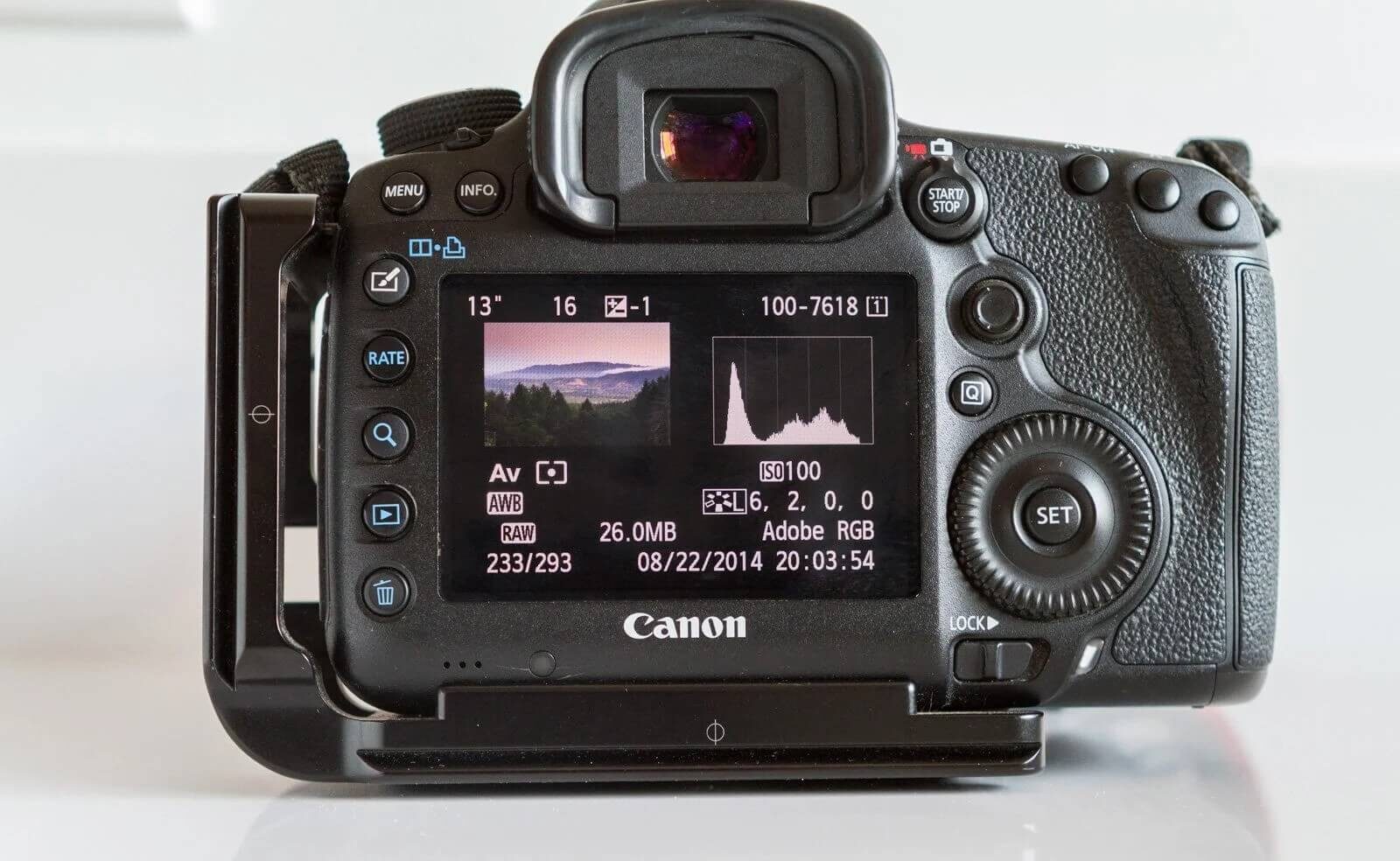
Balanced Exposure settings depend on the relationship between shutter speed, aperture, and ISO. Together, these three settings form the exposure triangle. Shutter speed controls how long light reaches the camera sensor.
Faster shutter speeds reduce brightness while freezing movement more effectively. Slower speeds allow more light but may introduce motion blur. Aperture controls both brightness and depth of field.
Wider apertures allow more light while creating softer backgrounds. Narrower apertures increase overall sharpness across the image. ISO controls sensor sensitivity to light. Higher ISO settings brighten the image but also increase visible noise.
Because of this, balanced ISO selection is important when adjusting Exposure settings. In high contrast scenes, photographers often prefer lower ISO values to preserve cleaner detail in shadows.
Tripods can also help maintain lower ISO settings by allowing slower shutter speeds safely. The ideal balance depends on the scene type. Action photography often prioritizes shutter speed, while landscapes may prioritize aperture and image detail.
Understanding the exposure triangle helps photographers create stronger and more flexible Exposure settings for different lighting conditions.
Common High Contrast Mistakes And How To Keep Photos More Balanced
Many photographers struggle with difficult Exposure settings because high contrast scenes can easily produce uneven results. However, several common mistakes can be avoided with better preparation.
One major mistake is overexposing highlights completely. Once bright areas lose all detail, recovery becomes extremely difficult. Another common problem is lifting shadows too aggressively during editing.
Excessive shadow recovery often creates noise and unnatural texture. Some photographers depend entirely on automatic camera modes during difficult lighting. Manual control or exposure compensation often produces more reliable Exposure settings in high contrast conditions.
Ignoring the histogram is another frequent issue. The preview image alone may not reveal clipping problems clearly. Poor ISO choices can also reduce image quality significantly. Very high ISO values weaken detail and increase visible grain.
Light direction should never be ignored. Sometimes changing camera position slightly can reduce contrast naturally before the image is even captured. Using only JPEG instead of RAW may also limit editing flexibility later.
By avoiding these mistakes and learning how to evaluate light carefully, photographers can create cleaner and more balanced images with stronger Exposure settings control.
See you in the next post,
Anil UZUN